
Team (group working toward a common goal)
A team is a collection of people with complementary skills collaborating to reach a shared objective. This article explains characteristics, origins, uses, and what separates effective teams from ineffective ones.
Overview
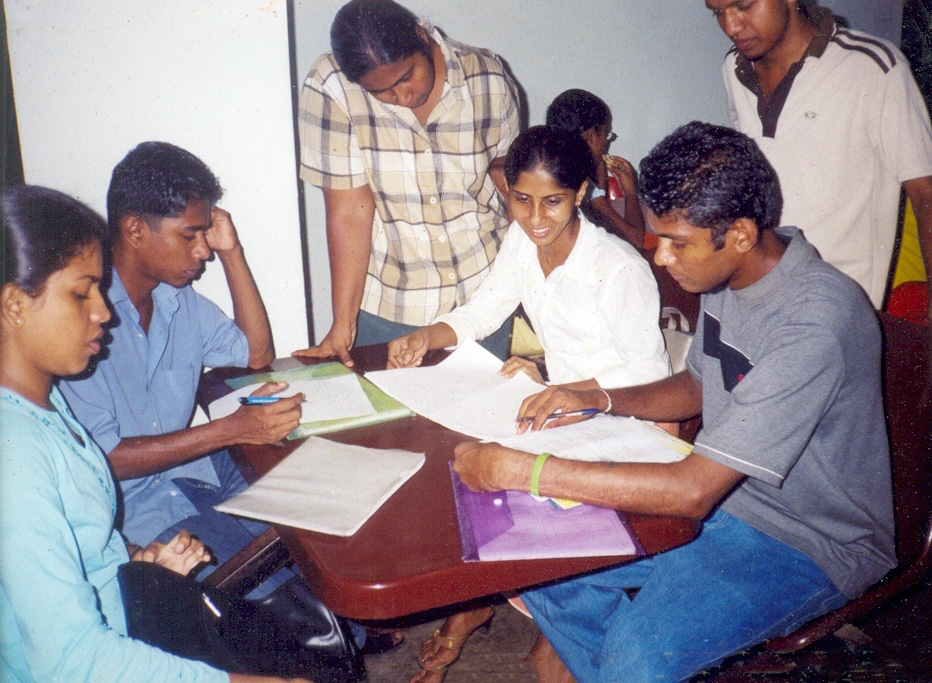
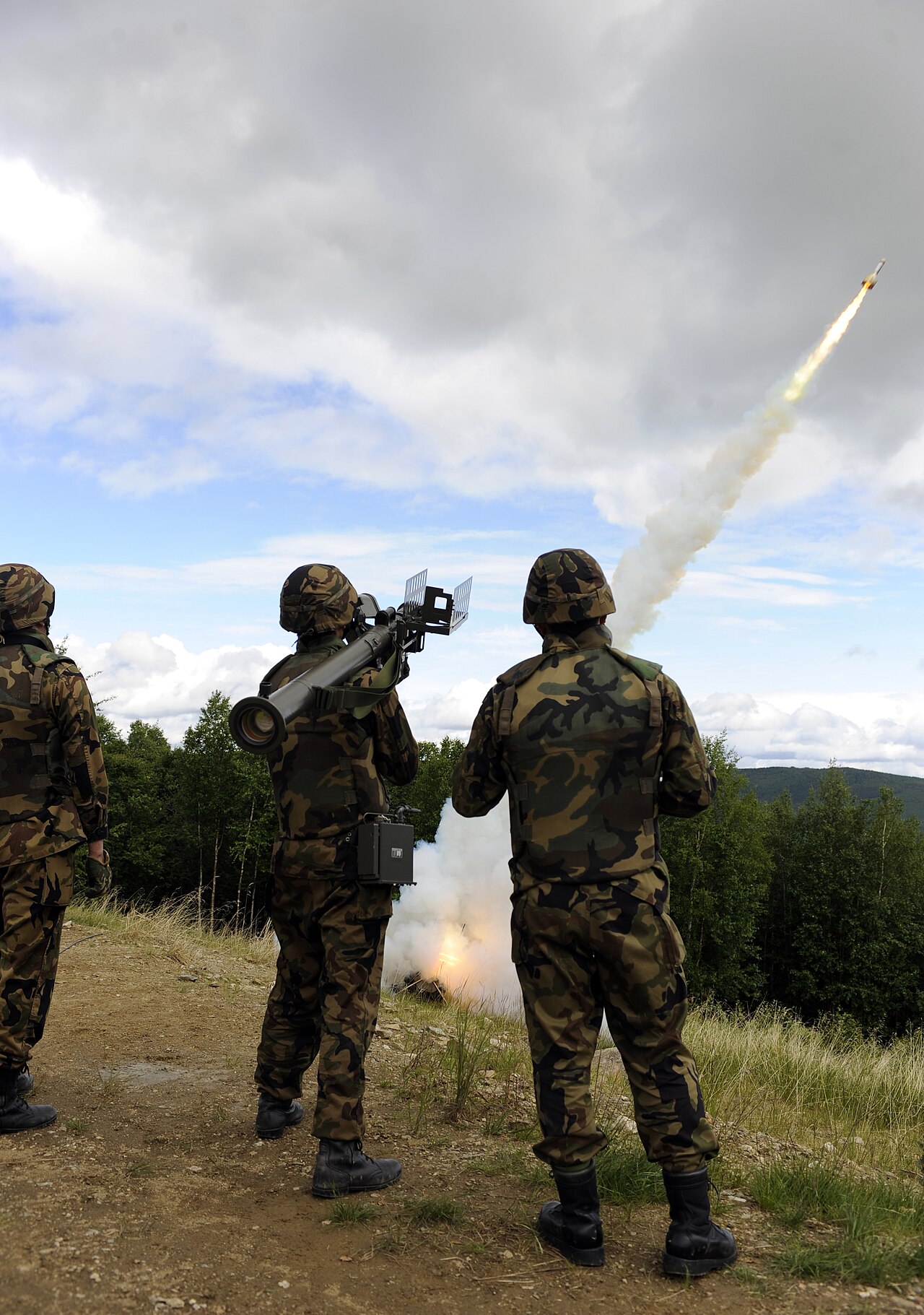
A team is an organized group of individuals who coordinate effort to accomplish a defined task or set of objectives. Members bring different skills and responsibilities and accept a degree of mutual dependence: the outcome matters to the whole team rather than only to each person separately. Teams exist in many settings, including workplaces, sports, community projects and research, and they may be temporary or long‑term.
Image gallery
4 Images

Key characteristics
Effective teams display several recurring features: clear goals, complementary skills among members, well‑defined roles, open communication and shared accountability. Trust and psychological safety allow participants to speak up and take risks without fear of ridicule. Decision making can be centralized or distributed depending on purpose, but alignment on priorities and timelines helps sustain momentum.
History and development
The idea of teams predates modern organizations, emerging from cooperative tasks in early societies. In the 20th century, industrial management, organizational psychology and later information technology shaped contemporary teamwork practices. Models used by trainers and managers often describe stages such as forming, storming, norming and performing to explain how groups mature into high‑functioning teams.
Uses, examples and importance
Teams are used when problems require combined expertise or when work benefits from parallel effort. Examples include a product development team integrating design and engineering, a surgical team coordinating a complex operation, and a volunteer team organizing a community event. Well‑constructed teams can increase creativity, speed, resilience and employee engagement.
Effective versus ineffective teams
A successful team typically overcomes barriers such as resource limits or conflicting schedules by adapting processes and leveraging strengths. Success rests on clear goals, constructive conflict resolution and leadership that balances direction with empowerment. In contrast, an unsuccessful team may fragment when members prioritize personal agendas, avoid responsibility, or create an uncomfortable environment that reduces participation and trust. Common dysfunctions include poor communication, unclear roles, social loafing and unresolved interpersonal conflict.
Distinctions and notable facts
- Team vs. group: a team implies interdependence toward a shared goal; a group can be a collection of individuals without coordinated effort.
- Virtual teams: distributed members use digital tools but still require deliberate practices to build cohesion.
- Designing a team involves balancing skills, diversity and clarity of purpose rather than simply assembling talented individuals.
Understanding how teams form, operate and fail helps organizations and communities structure work more productively. Thoughtful attention to goals, roles, relationships and context increases the chance that a team will meet its objectives.
Related articles
Author
AlegsaOnline.com Team (group working toward a common goal) Leandro Alegsa
URL: https://en.alegsaonline.com/art/96649