
Sveriges Television (SVT): Sweden’s public television broadcaster
Sveriges Television (SVT) is Sweden’s public, non-commercial television broadcaster, known for national news, cultural and children's programming and a range of linear and online services.
Overview
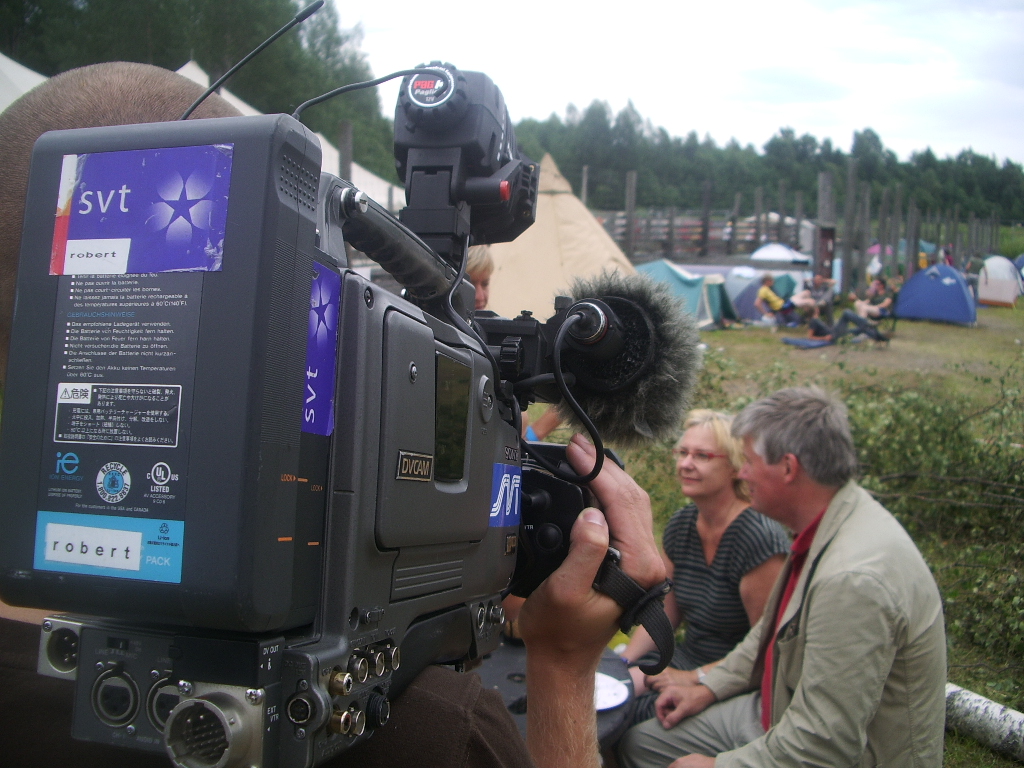
Sveriges Television, commonly abbreviated SVT, is Sweden’s public service television organisation. It operates national channels and online services offering news, drama, culture and children’s programmes for a Swedish audience. SVT is funded to serve the public interest and to provide independent, commercially neutral broadcasting.
Image gallery
10 Images





History and development
Regular television broadcasts in Sweden began in the 1950s, with transmission starting on 4 September 1956. Over the following decades the organisation expanded its channels, regional production and remote coverage. Structural and governance changes in the late 20th and early 21st centuries clarified SVT’s role as a distinct public service broadcaster separate from radio and other state media operations.
Services and programming
SVT runs several linear channels and a streaming platform. Its output includes national evening news, investigative and regional reporting, drama and documentary series, cultural programmes and children’s shows. Common categories of content are:
- News and current affairs (national and regional)
- Drama and factual series
- Children’s programming and educational shows
- Culture, sports highlights and special event coverage
Funding, governance and independence
As a public broadcaster SVT is financed through public means rather than commercial advertising on its main channels, with rules designed to preserve editorial independence and impartiality. Its governance framework involves public oversight and aims to balance accountability to citizens with operational autonomy.
Importance and notable facts
SVT plays a central role in Swedish public life by providing trusted news, commissioning domestic drama and supporting minority-language content. It also develops digital services to reach audiences online. For more information see the official SVT site, regulatory context at relevant authorities, and historical summaries at archival resources.
Related articles
Author
AlegsaOnline.com Sveriges Television (SVT): Sweden’s public television broadcaster Leandro Alegsa
URL: https://en.alegsaonline.com/art/95381