
Super Bowl XLII — Giants upset Patriots to end 2007 perfect season
Super Bowl XLII was played Feb 3, 2008, in Glendale, Arizona. The New York Giants defeated the previously unbeaten New England Patriots 17–14, highlighted by David Tyree’s helmet catch and Eli Manning’s MVP performance.
Overview
Super Bowl XLII was the championship game of the National Football League for the 2007 season, played on February 3, 2008, at the University of Phoenix Stadium in Glendale, Arizona. The contest pitted the New York Giants against the New England Patriots in a matchup that juxtaposed a dominant, undefeated regular-season team with a lower-seeded challenger. The Giants won 17–14, a result widely regarded as one of the greatest upsets in modern American sports and a defining moment in recent NFL history. The game is cataloged on the league's major event pages at the Super Bowl main page and is a frequent subject in discussions about postseason unpredictability in the NFL.
Image gallery
10 Images




Teams and background
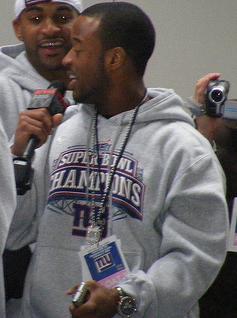
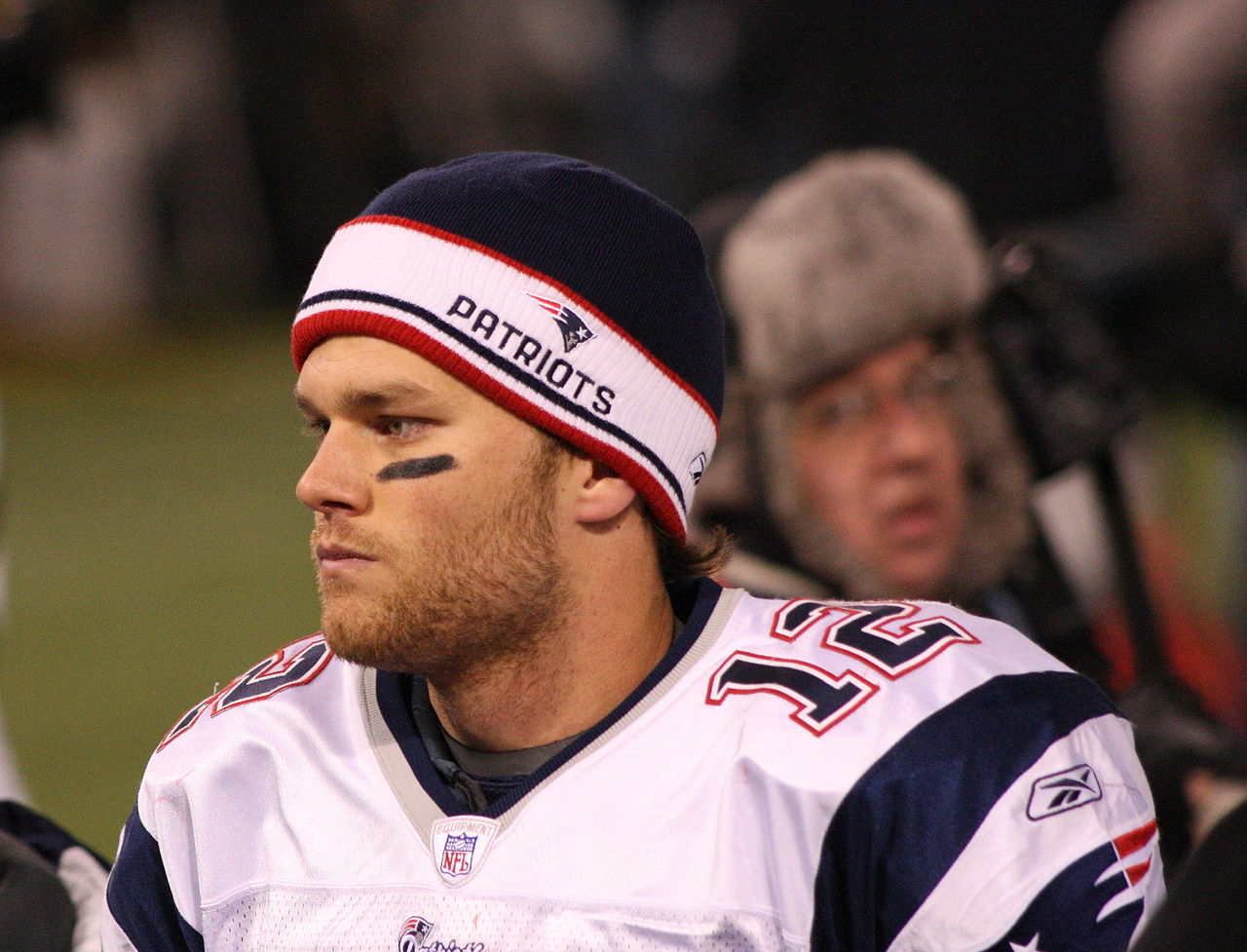
The New England Patriots entered the Super Bowl after completing a 16–0 regular season and advancing through the AFC playoffs as favorites. Headlined by a record-setting offense and veteran coaching, they were widely expected to complete a historic 19–0 run. The New York Giants, by contrast, reached the Super Bowl as a 10–6 team that secured a postseason spot and advanced from the NFC as a wild-card entrant. Their season combined timely defensive play, experienced leadership, and a knack for seizing key moments late in games. The Giants' path is often used to illustrate how playoff momentum can differ from regular-season form and how the wild-card system can produce championship-caliber teams.
Road to the game
The Patriots' unbeaten run was widely covered in the media throughout the season. They entered the playoffs with heavy acclaim for their offense and coaching staff, and were installed as favorites for the Super Bowl. The Giants, meanwhile, finished the regular season with a winning record but had to win multiple postseason games on the road to reach the title game. New York's postseason success hinged on defensive resilience and timely offensive drives, setting up a classic underdog-versus-favorite scenario for the Super Bowl.
Game summary
The game itself was a tense, defensively oriented contest in which neither team was able to establish a wide margin. New York built an early lead and relied on stops and well-executed special teams to maintain position. New England countered and narrowed the gap late, but the decisive sequence came in the final minutes of the fourth quarter. Quarterback Eli Manning led a critical drive that culminated in a touchdown reception in the closing minute, and his calm execution during that series earned him the game's Most Valuable Player recognition.
Key plays and turning points
- David Tyree helmet catch: On a fourth-down play during the final drive, David Tyree made a now-famous leaping catch, securing the ball to his helmet while being defended. The play preserved the possession and gained significant yardage, allowing the drive to continue.
- Plaxico Burress touchdown: Following the Tyree reception, Plaxico Burress caught the go-ahead touchdown pass with less than a minute remaining, giving the Giants a 17–14 lead.
- Defensive stands: Throughout the game the Giants' defense produced several crucial stops, forcing field goals instead of touchdowns and applying pressure at key moments.
- Late-game composure: Eli Manning's ability to avoid pressure, extend plays, and convert late downs was a decisive factor in the final series.
Aftermath and significance
The Giants' victory prevented the Patriots from completing a perfect season that would have culminated in a 19–0 record. For New York, the win marked the franchise's third Super Bowl title and its first since the 1990 season (Super Bowl XXV). The game elevated several individual moments into lasting elements of NFL lore: the helmet catch, the final touchdown, and Manning's leadership under pressure. It also reinforced the idea that postseason football can produce outcomes that differ sharply from regular-season expectations.
Legacy and cultural impact
Super Bowl XLII has endured in popular memory not only for the upset itself but for the vividness of its key plays, which are widely replayed in highlight packages and referenced in discussions of clutch performance. The game influenced narratives about mental toughness, game management, and the importance of single plays in determining championships. Analysts and fans continue to cite the contest when debating the greatest Super Bowls or the most unexpected sports outcomes.
Broadcasting and public reaction
The matchup drew intense national attention before kickoff because of the Patriots' perfect regular season. Public discourse and media coverage focused on whether New England could complete a historic run or whether the Giants would spoil it. In the immediate aftermath, commentators praised the Giants' resilience and highlighted the role of a few critical plays that changed the game's trajectory. The event remains a reference point in media coverage of dramatic championship finishes.
Notable facts
- The final score was 17–14 in favor of the Giants; the game is consistently listed among major Super Bowl upsets.
- Eli Manning was named Super Bowl MVP for guiding the final, decisive drive.
- The Giants became one of the few wild-card teams in NFL history to claim the league title, illustrating that lower postseason seeding does not preclude ultimate success.
For additional context on the teams, playoff format and the event itself, see the league and team pages: Super Bowl main page, New York Giants, New England Patriots, and material explaining the wild-card playoff path. Broader information about the league and seasonal structure can be found on the National Football League overview at NFL. Historical comparisons to prior franchise championships may reference Super Bowl XXV. Biographical and career information about key participants is summarized on team and player pages such as the entry for Eli Manning, while regional and venue details appear on pages for Glendale and Arizona.
Related articles
Author
AlegsaOnline.com Super Bowl XLII — Giants upset Patriots to end 2007 perfect season Leandro Alegsa
URL: https://en.alegsaonline.com/art/94958
Sources
- nydailynews.com : "Super Bowl XLII: New England Patriots' perfect ending spoiled by Eli Manning, NY Giants"
- cbc.ca : "Mike Carey to become first black referee at Super Bowl"
- bostonglobe.com : "Patriots' bid for perfect season ends in Giants' upset"
- sports.espn.go.com : "Giants' staggering win over Patriots watched by record 97.5 million"
- adage.com : "Who's Buying What in Super Bowl XLII"
- nfl.com : "Eli keeps Super Bowl MVP Award in Family"
- sportsillustrated.cnn.com : "Greatest Upsets In Sports History: NY Giants 17, New England 14"
- espn.go.com : "Inside a Moment in Time: A Supernatural Catch"
- nydailynews.com : "Super Bowl Rewind: NY Giants 17, New England Patriots 14 — David Tyree catch sets up game-winning TD"