
Glendale, Arizona
Glendale is a city in Maricopa County, Arizona, northwest of Phoenix. Known for major sports venues, shopping and historic downtown antiques, it serves as a residential, commercial and entertainment center.
Overview
Glendale is a city located in Maricopa County, in the United States. It lies roughly nine miles northwest of downtown Phoenix, placing it within the metropolitan Valley of the Sun. The community functions as a suburban and commercial hub with a mix of residential neighborhoods, retail centers and entertainment districts. As of the mid-2000s it was home to about a quarter of a million residents according to the 2006 census, and local estimates since then indicate continued growth; the city remains one of the larger municipalities in the Phoenix metropolitan area, with a stable population base.
Image gallery
10 Images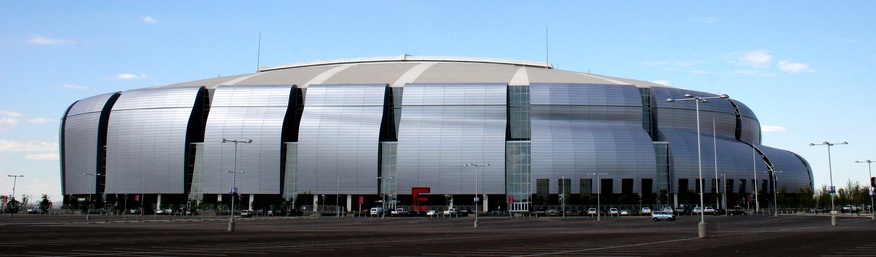





History and character
Glendale developed from agricultural roots in the late 19th and early 20th centuries, expanding as irrigation projects and transport links opened the Salt River Valley to settlement. Over time it built both suburban subdivisions and commercial corridors. The city promotes a historic downtown and antiques district and advertises itself as "Arizona's Antique Capital," a reputation noted by regional publications. Commercial growth later concentrated in mall and lifestyle-center formats, particularly in the northwest sections of the city.
Sports and entertainment
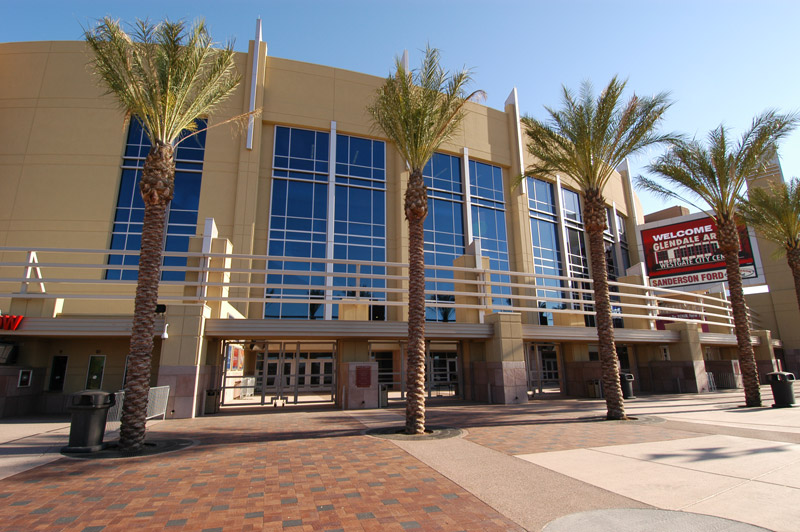
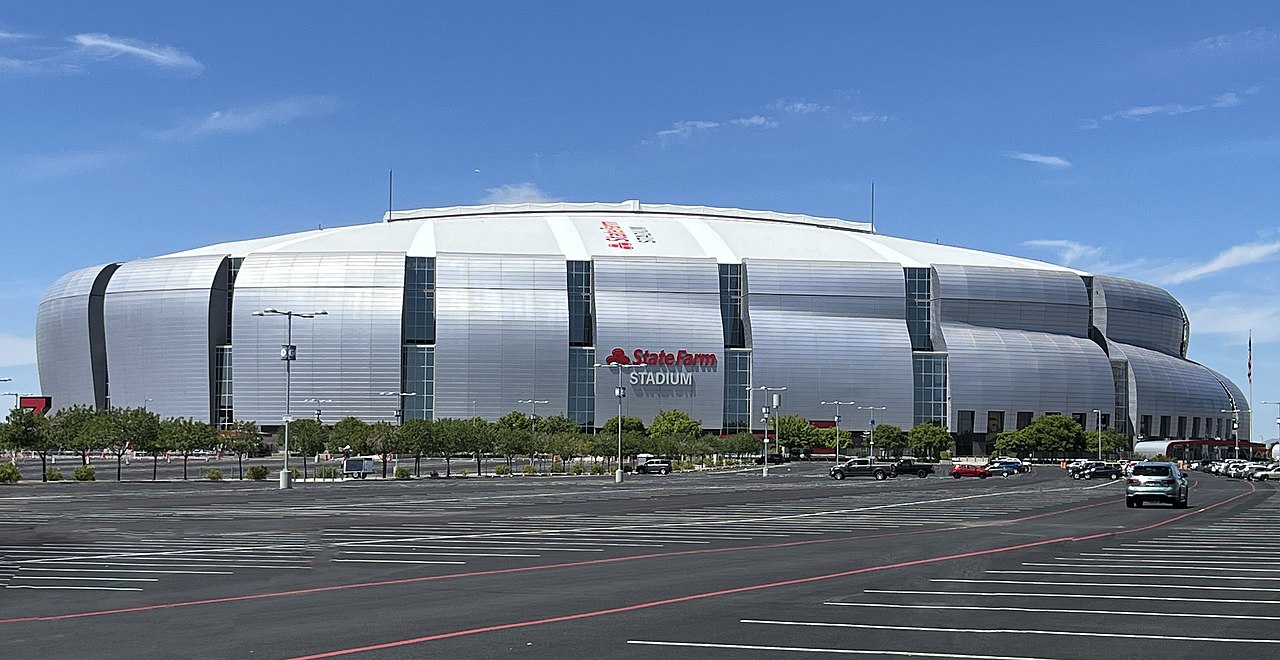
Glendale became widely known for its large sports venues in the early 21st century. The arena that opened in December 2003 brought professional hockey and arena lacrosse, hosting clubs from the NHL and the NLL. A larger domed stadium followed in 2006 and has been the site of National Football League games and major college bowl games; it is the home stadium for the NFL franchise, the Arizona Cardinals, and for the annual Fiesta Bowl. That stadium also staged Super Bowl events, including Super Bowl XLII, when the New York Giants defeated the New England Patriots. The city and surrounding area also host spring training facilities used by Major League Baseball clubs such as the Chicago White Sox and the Los Angeles Dodgers, which relocated to shared training complexes in the region in 2009.
Economy, education and amenities
Economic activity in Glendale combines retail, health care, education and sports-related tourism. Major shopping centers, including a large regional mall, draw residents and visitors. The city is home to institutions of higher education, including medical and professional programs; local campuses and graduate schools include programs in health professions and an international business curriculum. These institutions contribute to workforce development and community services in the metropolitan area.
Transportation and planning
Glendale connects to greater Phoenix by freeway and arterial roads; public transit serves the city and extensions of the metropolitan light rail have been proposed to improve regional connections. Planning documents and local initiatives emphasize balancing development with preserving historic neighborhoods, expanding recreational space and accommodating events-driven traffic near major venues.
Notable facts
- Hosts major professional sports events and large-capacity stadiums that attract national attention.
- Maintains a historic downtown known for antique shops, galleries and small businesses.
- Serves as both a residential suburb and an entertainment and retail destination within the Phoenix metro area.
For more details on city services, cultural programming and event schedules, consult municipal publications and venue websites.
Questions and answers
Q: What is the population of Glendale, Arizona?
A: According to 2006 census, the population of Glendale is 246,531.
Q: Where is Glendale located in relation to Phoenix?
A: Glendale is about nine miles (14 km) northwest from Downtown Phoenix.
Q: What professional sports teams play in Glendale?
A: The NHL's Phoenix Coyotes and NLL's Arizona Sting started to play in Glendale when Jobing.com Arena opened in December 2003. Also in Glendale is University of Phoenix Stadium which is the home of the NFL's Arizona Cardinals and the Fiesta Bowl.
Q: When did Super Bowl XLII take place at University of Phoenix Stadium?
A: Super Bowl XLII was played at University of Phoenix Stadium in 2008 when the New York Giants beat the New England Patriots.
Q: When did spring training begin for Chicago White Sox and Los Angeles Dodgers?
A: The Chicago White Sox and Los Angeles Dodgers moved to Glendale for a shared spring training 2009.
Q: What nickname does Glendale have?
A: Glendale calls itself “Arizona’s Antique Capital” which is supported by Sunset Magazine.
Q: What major attractions are located in Glendale?
A: In addition to professional sports teams, there are several major attractions located inGlendale such as Arrowhead Towne Center mall, Midwestern University, metro Phoenix's first medical school, as well as a major post-graduate international business school and an extension of METRO light rail service planned to serve the city.
Related articles
Author
AlegsaOnline.com Glendale, Arizona Leandro Alegsa
URL: https://en.alegsaonline.com/art/39171
Sources
- census.gov : "Annual Estimates of the Population for Incorporated Places over 100,000"
- census.gov : "Annual Estimates of the Population for Incorporated Places in Arizona"
- census.gov : "Annual Estimates of the Population for All Incorporated Places in Arizona"
- census.gov : "US Gazetteer files: 2000 and 1990"
- factfinder.census.gov : "American FactFinder"
- glendaleaz.com : glendaleaz.com/events/