
Sunamganj District (Bangladesh)
Sunamganj is a district in northeastern Bangladesh's Sylhet Division, famed for its haor wetlands such as Tanguar Haor, seasonal flooding, wetland biodiversity, and livelihoods based on agriculture and fishing.
Overview
Sunamganj (Bengali: সুনামগঞ্জ) is a district in the northeast of Bangladesh. It is administratively part of the Sylhet Division and lies within the greater Sylhet region. The town of Sunamganj serves as the district headquarters and local market center.
Image gallery
5 Images


Geography and ecology
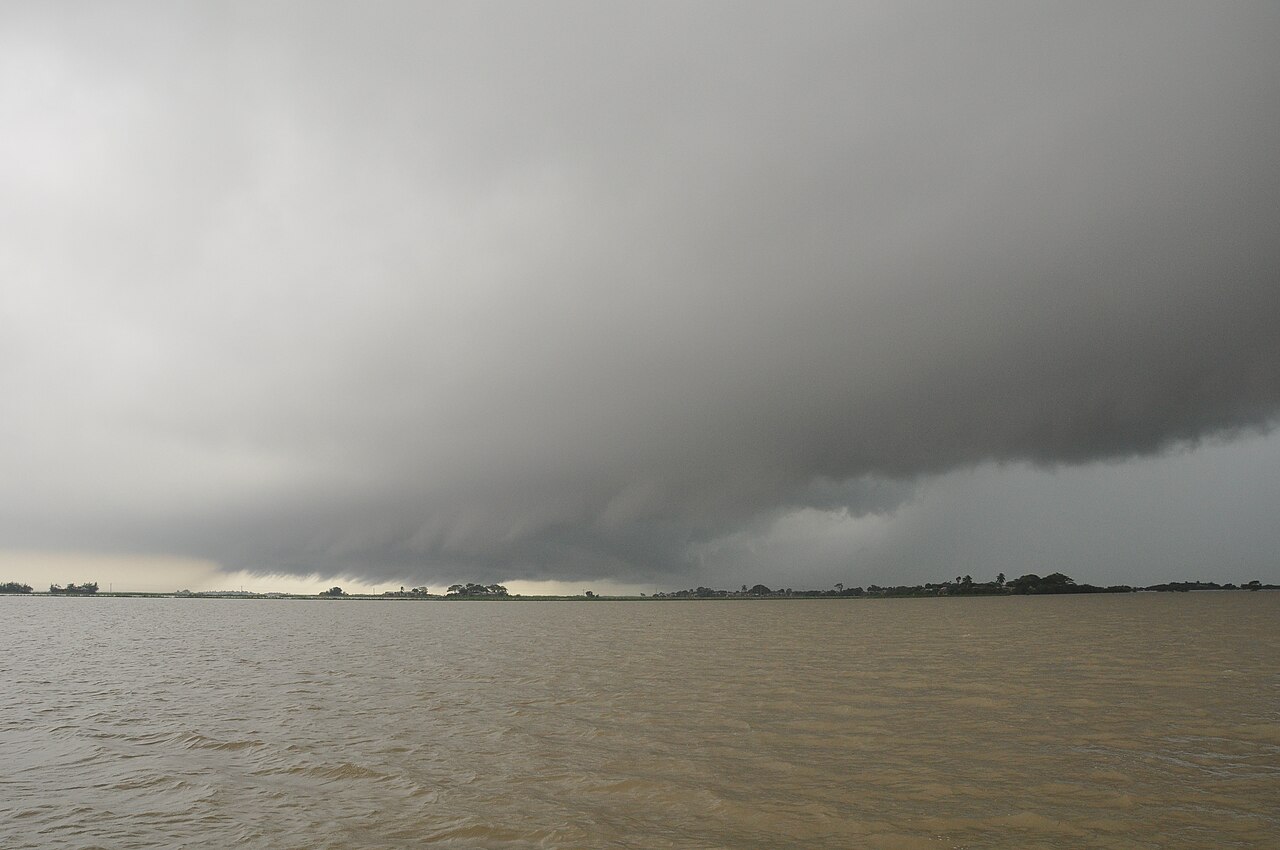
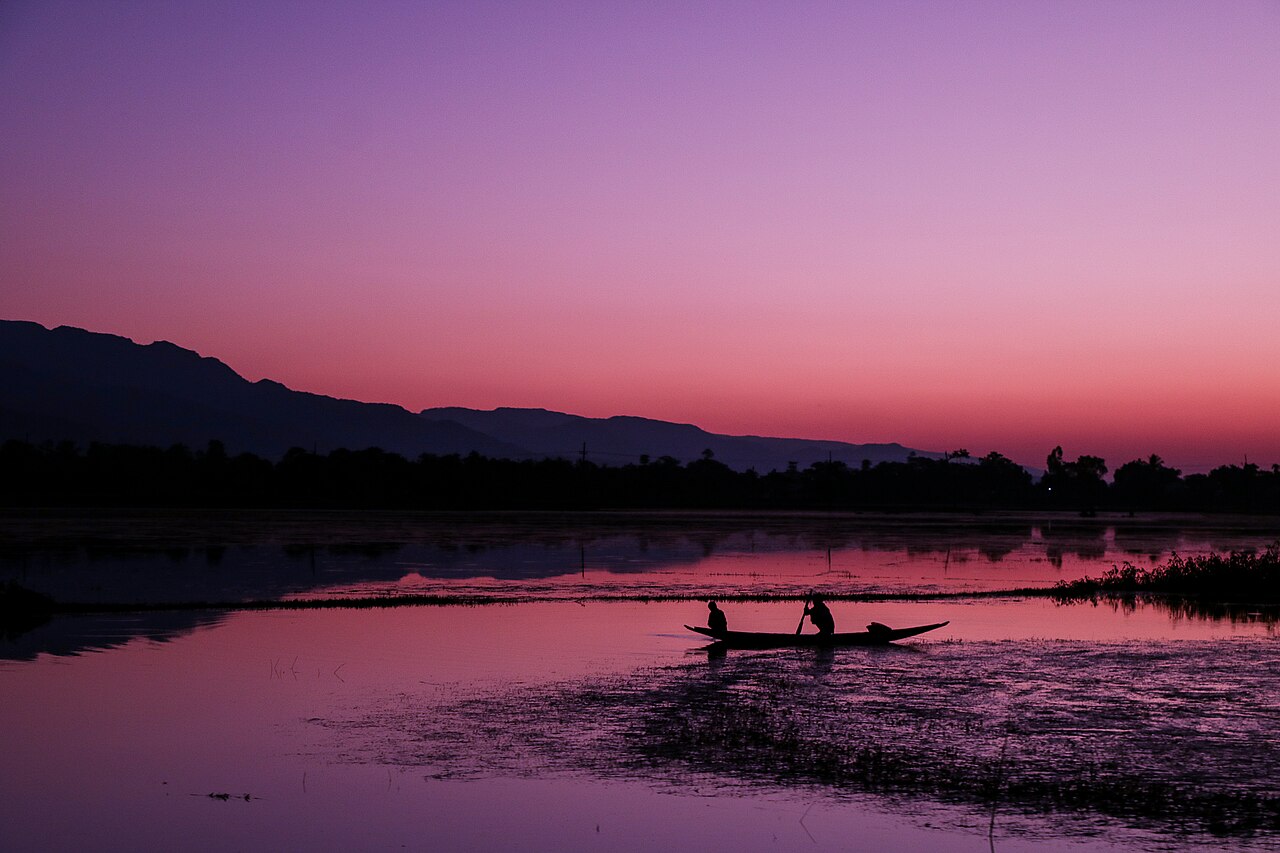
The district occupies a low-lying floodplain dominated by haors — bowl-shaped seasonal wetlands that fill during the monsoon and recede in the dry season. These waterlogged areas connect to the region's river network and form a distinct wetland landscape that supports fisheries, rice cultivation, and rich birdlife. The wetland basins and oxbow lakes are important for migratory and resident species.
Tanguar Haor and conservation
Sunamganj includes internationally recognised wetland habitats, most notably Tanguar Haor, designated for its ecological significance. Tanguar Haor and similar sites are focal points for conservation, sustainable fishing practices, and eco-tourism. Local and national initiatives aim to balance livelihoods with protection of biodiversity.
Economy and society
The economy is driven by agriculture, seasonal rice varieties adapted to haor cycles, freshwater fisheries and related processing. Many households combine farming with fishing and small-scale trade. Cultural life reflects the Sylheti dialect and traditions; local fairs, riverine transport and boat-based activities shape daily routines.
Administration and links
As a district unit within Bangladesh, Sunamganj is governed through upazilas and municipal authorities that manage services, disaster response and development. For administrative and demographic context see district references: Sunamganj District information and national context via Bangladesh.
Challenges and notable facts
- Seasonal flooding that sustains haor ecosystems also poses risks for crops and infrastructure.
- Tanguar Haor draws birdwatchers and researchers interested in wetland conservation and rural livelihoods.
- Local efforts focus on sustainable aquaculture, flood-resilient farming and eco-tourism as adaptive strategies.
Related articles
Author
AlegsaOnline.com Sunamganj District (Bangladesh) Leandro Alegsa
URL: https://en.alegsaonline.com/art/94861