
Sucevița — commune in Suceava County, Romania
Sucevița is a rural commune in Suceava County, northern Romania, best known for its fortified Sucevița Monastery with exterior frescoes and its role in the cultural landscape of Bukovina.
Sucevița is a commune in Suceava County, in the historical region of Bukovina in northeastern Romania. It is primarily a rural locality whose identity and visitor interest are closely linked to the nearby monastery that bears the same name. The commune lies in a landscape of rolling hills and mixed farmland typical of this part of the country.
Image gallery
3 Images

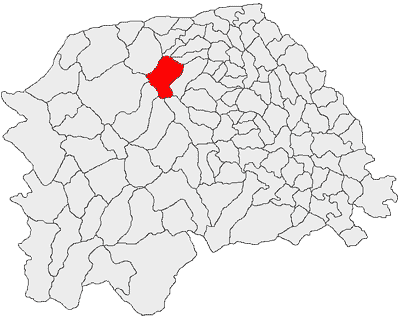
Overview and administration
The settlement functions as a local administrative unit and provides services to surrounding villages and farms. Its economy is largely agricultural, supplemented by craftwork and seasonal tourism. Local infrastructure includes small roads connecting the commune to larger nearby towns and to regional transport routes.
History and significance
The area around Sucevița has a long history tied to the medieval principality of Moldavia. The site is most notable for Sucevița Monastery, founded and rebuilt over several centuries and substantially formed in the late 16th century. The monastery became an important religious and cultural center, preserving manuscripts, icons and regional traditions.
Architecture, art and cultural value
Sucevița Monastery is a fortified ensemble combining church buildings and defensive walls with towers. Its exterior and interior walls feature extensive fresco painting in the Orthodox iconographic tradition, including biblical scenes and didactic compositions. The ensemble is often mentioned with the painted churches of northern Moldavia and is recognized for its high degree of preservation and artistic value.
Tourism, conservation and notable facts
Visitors to the commune are attracted by religious tourism, cultural heritage and rural landscapes. Conservation efforts focus on protecting the frescoes, maintaining the masonry of the fortress and supporting local crafts and interpretation for visitors. As part of a wider group of painted monastic sites in the region, Sucevița plays a continuing role in studies of medieval art and Orthodox monastic life.
- Key features: fortified monastery, exterior frescoes, Bukovina cultural context.
- Local activities: agriculture, small-scale tourism, heritage conservation.
Related articles
Author
AlegsaOnline.com Sucevița — commune in Suceava County, Romania Leandro Alegsa
URL: https://en.alegsaonline.com/art/94552