
Stourbridge, West Midlands
Stourbridge is a market town in the Metropolitan Borough of Dudley, West Midlands, England, noted for its historic glassmaking industry, canal and rail links, and Black Country industrial heritage.
Overview
Stourbridge is a market town in the Metropolitan Borough of Dudley, in the West Midlands region of England. The town takes its name from the River Stour and had a population recorded at around 63,298 at the 2011 census. Situated on the edge of the area commonly called the Black Country, Stourbridge combines suburban centres, pockets of green space and remnants of industrial infrastructure.
Image gallery
8 Images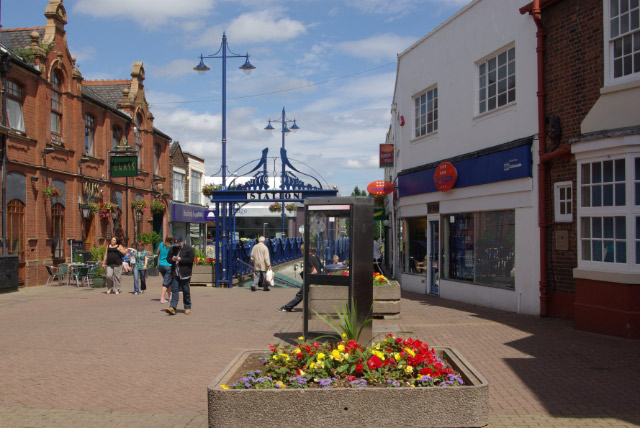


Geography and transport
Stourbridge sits close to the border of the West Midlands conurbation and the county of Worcestershire. It is served by local and regional road routes, an interchange for buses, and two railway stations: a junction on the main line and a short town branch that links the centre to the wider network. Canals built during the 18th and 19th centuries remain visible and are used for leisure boating and towpath recreation.
History and industrial development
The town grew from a rural market settlement into an industrial centre during the 18th and 19th centuries. Coal, ironstone and clay in the surrounding area supported small-scale mining and heavy industries. Stourbridge’s evolution mirrored that of the Black Country: workshops and factories produced tools, machinery parts and household goods for the expanding domestic and export markets.
Glassmaking and cultural importance
Stourbridge is best known for its glassmaking tradition, established from the 17th century and refined over generations. Makers in and around the town produced a wide range of decorative and utilitarian glass, including cut crystal that gained an international reputation. Several historic glassworks, cones and workshops remain as cultural landmarks and form the basis for local museums, trails and specialist craft businesses that preserve skills and attract visitors.
Economy, education and community life
Today the local economy is mixed: retail and services provide many jobs in the town centre while light manufacturing and specialist crafts, including glass, continue in industrial estates and small workshops. Educational institutions, parks and community centres support civic life, and the town hosts markets and periodic cultural events that reflect its market-town origins and industrial heritage.
Notable sites and distinctions
- Historic glass cones and workshops associated with Stourbridge glassmaking.
- Canal infrastructure from the industrial era, now used for leisure.
- Short rail branch linking the town centre to the mainline network.
- Location on the fringe of the Black Country, with a blend of urban and green spaces.
For further local information and tourism resources, consult regional guides and heritage organisations that document Stourbridge’s glass industry and industrial archaeology.
Related articles
Author
AlegsaOnline.com Stourbridge, West Midlands Leandro Alegsa
URL: https://en.alegsaonline.com/art/94129