
Stonehouse, South Lanarkshire: village by the Avon Water
Stonehouse is a small rural village in South Lanarkshire, Scotland, set on the Avon Water near the scenic Clyde Valley. This article outlines its setting, history, community life, and local attractions.
Overview
Stonehouse is a small rural village in South Lanarkshire, Scotland. It lies beside the Avon Water in a landscape shaped by river meadows, farmland and woodlands. The village functions as a local centre for surrounding agricultural communities and forms part of the wider Clyde Valley area, known for its scenic value and mixed rural economy.
Image gallery
10 Images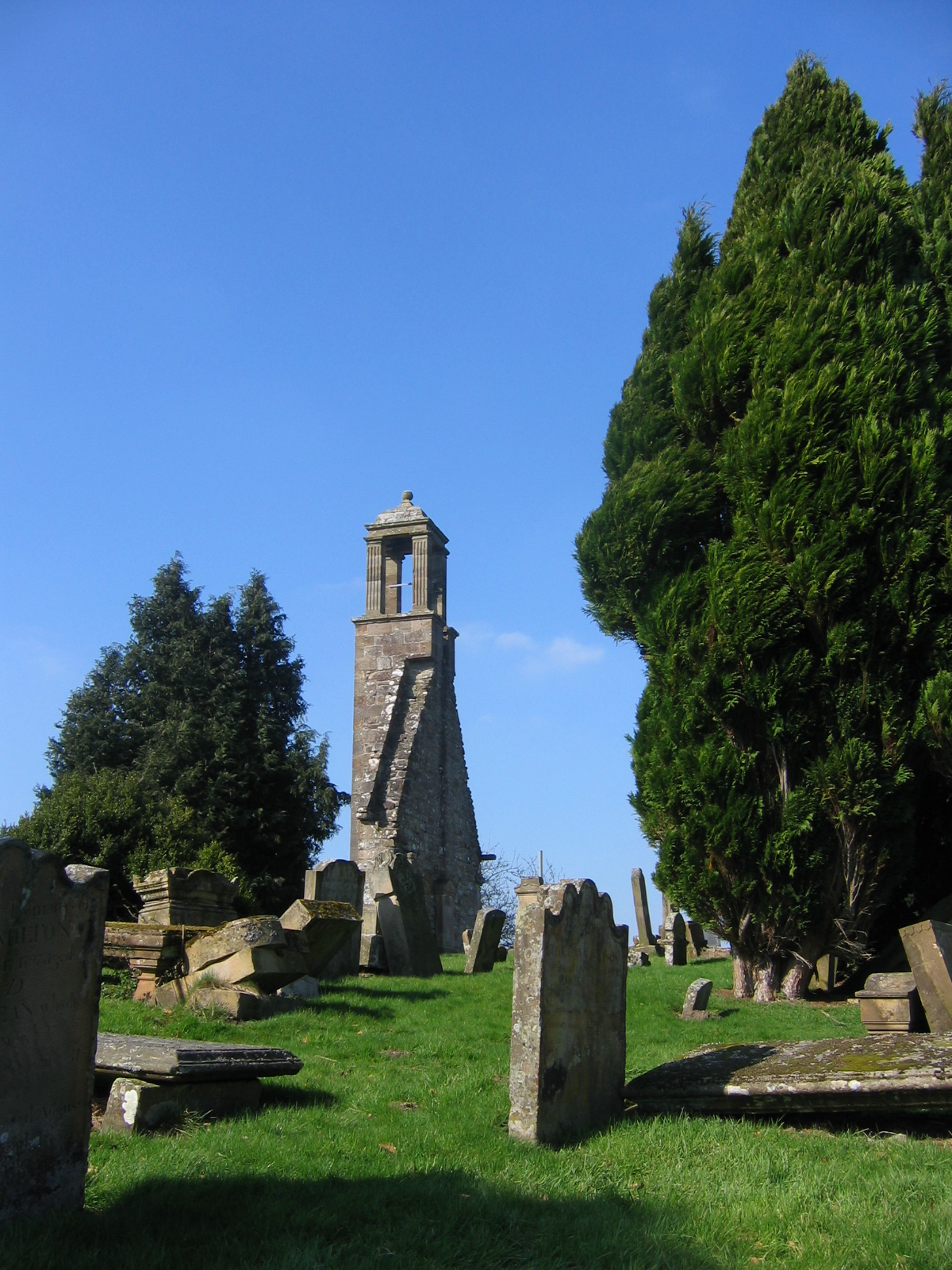


Geography and landscape
The village occupies a river valley location with the Avon Water running through or close by. This setting creates a mix of habitats—riparian strips, pastures and patches of native and planted woodland—that support local wildlife and agricultural activity. The Clyde Valley nearby is often associated with fruit growing and attractive river corridors, which provide a backdrop to Stonehouse’s rural character.
History and development
Like many settlements in central Scotland, Stonehouse developed over centuries around natural routes and waterpower. The presence of a river made the locality suitable for early mills and agricultural processing, and later economic changes in the 18th and 19th centuries influenced local trade and employment. Historic buildings and street patterns in and near the village reflect layers of rural and industrial-era development.
Community, services and transport
Stonehouse provides basic services typical of a village of its size: local shops, community facilities, places of worship, and schools serving residents and nearby farms. Local governance and community groups play a role in events and planning. Transport connections link the village to larger towns and regional road networks, enabling commuting, shopping and access to wider public services.
Recreation, economy and importance
Outdoor recreation is an important part of village life. Residents and visitors use riverside paths, country lanes and nearby woodlands for walking, cycling, birdwatching and informal fishing. The surrounding agricultural land contributes to the local economy, and the Clyde Valley’s reputation for scenic drives and seasonal blooms brings occasional visitors and supports small-scale tourism.
Notable features and conservation
Stonehouse’s setting beside the Avon Water and its proximity to the Clyde Valley give it particular landscape and ecological interest. Local efforts often focus on conserving river habitats, maintaining historic structures and balancing development with the rural character of the area. Typical features of interest include:
- Riverside landscapes offering wildlife corridors and recreational routes.
- Historic village core with buildings and street patterns reflecting rural and industrial pasts.
- Community organisations active in local conservation and cultural life.
Together, these elements make Stonehouse representative of many small Scottish villages where natural setting, historical layers and contemporary rural living intersect. For administrative information visit South Lanarkshire or general visitor guidance about the country at Scotland.
Related articles
Author
AlegsaOnline.com Stonehouse, South Lanarkshire: village by the Avon Water Leandro Alegsa
URL: https://en.alegsaonline.com/art/94056