
Stillwater County, Montana
Stillwater County is a rural county in south-central Montana centered on the town of Columbus, with an economy based on agriculture, ranching and outdoor recreation and a small, dispersed population.
Overview
Stillwater County is a largely rural county in the U.S. state of Montana. It reported 9,117 residents at the time of the 2010 United States Census. The administrative center and largest town is the county seat, Columbus. The county combines open agricultural plains, small towns and access to nearby mountain country, and it serves residents and visitors who value wide landscapes and outdoor recreation.
Image gallery
3 Images

Geography and natural features
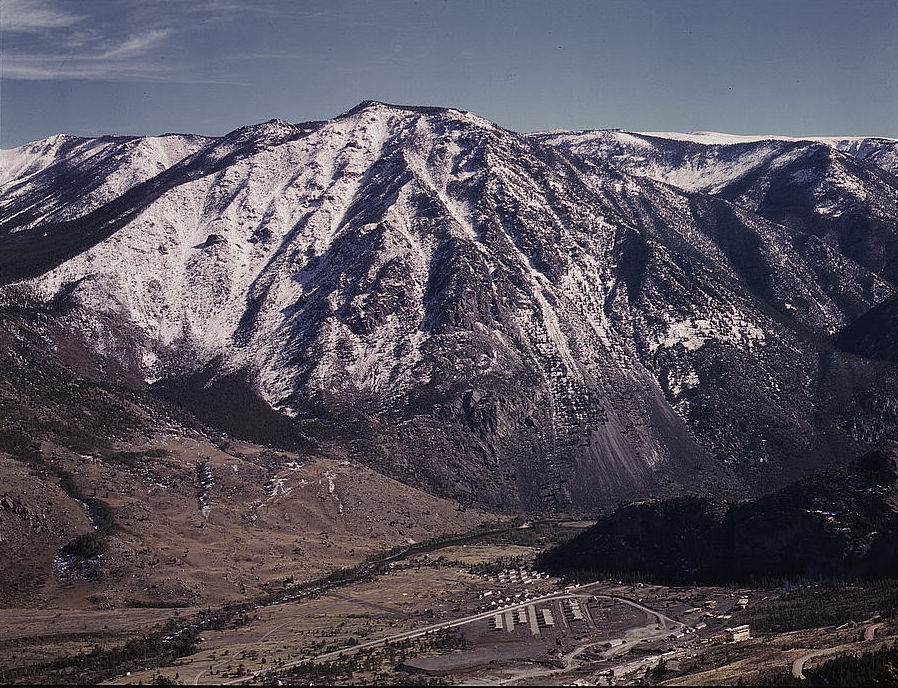
Topography in the county ranges from river valleys and irrigated fields to rising foothills at the southern edge where the terrain begins to approach Montana's mountain ranges. Streams and rivers provide irrigation, habitat and scenic corridors. Public and private lands include ranchland, riparian areas and patches of forest that support wildlife, birding, hiking and fishing opportunities.
History and culture
The territory was long used by Indigenous peoples before Euro‑American settlement. Later explorers, homesteaders and ranching families established communities and service centers for surrounding agricultural lands. The county's identity is closely tied to ranching traditions, local events and small-town civic life; many families have multigenerational ties to the land and to community institutions such as schools and volunteer organizations.
Economy and recreation
Agriculture and ranching form the economic backbone of the county, with additional support from small businesses, public services and seasonal tourism. Outdoor recreation—fishing, hunting, hiking, trail use and scenic drives—brings visitors and supports local outfitters and lodging. The county functions as a gateway for people seeking quieter landscapes and access to nearby mountain trails and rivers.
Communities and services
- Columbus (county seat and principal town)
- Absarokee and other small towns and unincorporated communities
- Scattered ranches and rural neighborhoods
Major highways and local roads connect residents to regional centers for health care, education and commerce. Community life centers on schools, volunteer organizations and local events that reflect rural Montana traditions. For official county information, services and contacts consult local government resources and regional guides.
For more background on administration, maps and services see county and state resources linked through local portals and federal summaries; these can provide up‑to‑date details on boundaries, population estimates and public programs.
Related articles
Author
AlegsaOnline.com Stillwater County, Montana Leandro Alegsa
URL: https://en.alegsaonline.com/art/93940
Sources
- quickfacts.census.gov : "State & County QuickFacts"
- naco.org : "Find a County" · web.archive.org