
Stevie Wonder — Journey Through The Secret Life of Plants (1979)
An overview of Stevie Wonder's 1979 soundtrack album The Secret Life of Plants: its concept, musical approach, production context, reception, and place in his career.
Overview
Stevie Wonder's album The Secret Life of Plants was released on the Tamla label on October 30, 1979. Created as the soundtrack to Walon Green's documentary of the same name, the record represents one of Wonder's most experimental projects. It departs from his familiar soul and pop songwriting to focus on atmospheric compositions that interact with themes of nature and plant life.
Image gallery
1 Image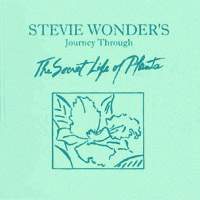
Musical style and characteristics
The album is largely instrumental and emphasizes electronic textures, ambient passages, and found or recorded sounds drawn from natural environments. Wonder uses synthesized timbres alongside occasional vocal elements, producing a meditative and sometimes cinematic mood intended to accompany filmed imagery rather than conventional song structures.
- Prominent use of synthesizers and keyboard-based arrangements
- Extended instrumental pieces and ambient interludes
- Integration of environmental and documentary-driven sound design
Background and production
The project grew out of interest in the documentary adaptation of the popular book about plant perception and life. As a soundtrack, the album required a different approach: music that supports visual storytelling and evokes living systems. Wonder composed and arranged much of the material himself, shaping sounds to match the film's exploration of plants and their environments.
Reception and legacy
At the time of release the record divided listeners and critics. Some admired its ambition and sonic experimentation, while others missed the melodic directness of Wonder's earlier hits. Over time, the album has been reassessed by listeners interested in early ambient and electronic soundtracks and is often cited as a distinctive, if unconventional, entry in his catalog.
Notable distinctions
This work stands out among Wonder's albums for its soundtrack purpose and its strong conceptual link to environmental themes. It was released by Tamla Motown and is associated in artist discographies with Wonder himself (Stevie Wonder), illustrating a period when major popular musicians experimented with cinematic and ecological ideas in recorded music.
Related articles
Author
AlegsaOnline.com Stevie Wonder — Journey Through The Secret Life of Plants (1979) Leandro Alegsa
URL: https://en.alegsaonline.com/art/93892
Sources
- allmusic.com : Allmusic review
- robertchristgau.com : Robert Christgau review
- rollingstone.com : Rolling Stone review
- books.google.com : The New Rolling Stone Album Guide: Completely Revised and Updated 4th Edition
- ca.music.yahoo.com : Yahoo! Music review