
Original Musiquarium I — Stevie Wonder compilation (1982)
A 1982 Tamla (Motown) greatest-hits compilation by Stevie Wonder that gathers his major 1970s singles with a few tracks not previously on studio albums, presenting a concise overview of his classic period.
Overview
Stevie Wonderʼs Original Musiquarium I is a greatest-hits compilation released on May 4, 1982 by the Tamla label. Conceived as a single-disc distillation of the artistʼs most influential work from his so-called classic period, the set brought together widely known singles alongside a small number of tracks that had not previously appeared on his regular studio albums.
The collection functions as both an introduction for new listeners and a convenient package for long-time fans. Many of the recordings included showcase Wonderʼs roles as songwriter, multi-instrumentalist and producer; across the selections listeners hear his integration of soul, funk, pop and jazz elements as well as examples of socially conscious songwriting.
Image gallery
1 Image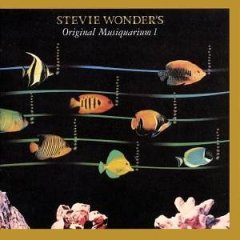
Characteristics and contents
Rather than presenting a strict chronological survey, the compilation emphasizes landmark singles and signature performances. The album highlights Wonderʼs melodic inventiveness, rhythmic complexity and use of electronic keyboards and synthesizers that helped define the sound of 1970s R&B. Several tracks had been produced or arranged by Wonder himself.
- Musical styles: soul, funk, R&B, pop, and jazz-influenced arrangements.
- Production: many tracks bear Wonderʼs own production and multi-instrumental contribution.
- Packaging and sequencing aimed for broad accessibility rather than exhaustive completeness.
Original Musiquarium I arrived five years after the earlier retrospective Looking Back, and it served a different purpose: where the earlier box set was expansive, this release was compact and commercially oriented. Issued by Tamla, it became a common entry point into Wonderʼs catalog during the 1980s.
Critical and popular response emphasized the value of hearing these landmark recordings together. Music historians and listeners often cite the compilation as a useful snapshot of Wonderʼs creative peak. For further reading on the artist and his wider discography, consult an artist biography or discography resource such as artist reference, which places this compilation in the context of his broader career.
Questions and answers
Q: Who released the album Stevie Wonder's Original Musiquarium I?
A: The album Stevie Wonder's Original Musiquarium I was released by Tamla.
Q: When was the album Stevie Wonder's Original Musiquarium I released?
A: The album Stevie Wonder's Original Musiquarium I was released on May 4, 1982.
Q: What kind of album is Stevie Wonder's Original Musiquarium I?
A: Stevie Wonder's Original Musiquarium I is a greatest hits album by American musician Stevie Wonder.
Q: Is Stevie Wonder's Original Musiquarium I the first greatest hits album produced by Stevie Wonder?
A: No, it is not. Stevie Wonder has released a previous greatest hits album called Looking Back that was released five years prior to Stevie Wonder's Original Musiquarium I.
Q: Who is Stevie Wonder?
A: Stevie Wonder is an American musician.
Q: What is Stevie Wonder known for?
A: Stevie Wonder is known for his soulful and unique singing voice and his ability to play various musical instruments.
Q: When did Stevie Wonder release his first greatest hits album?
A: Stevie Wonder released his first greatest hits album called Looking Back five years before he released Stevie Wonder's Original Musiquarium I.
Related articles
Author
AlegsaOnline.com Original Musiquarium I — Stevie Wonder compilation (1982) Leandro Alegsa
URL: https://en.alegsaonline.com/art/93893
Sources
- allmusic.com : "Stevie Wonder > Album Discography > AllMusic"