
Bathroom cabinet (medicine cabinet)
A bathroom cabinet, often called a medicine cabinet, is a wall-mounted cupboard used to store toiletries, medicines and grooming items; it saves space and protects contents from moisture and clutter.
A bathroom cabinet, commonly called a medicine cabinet, is a small wall-mounted cupboard installed in a bathroom, usually above the sink. Its basic purpose is to store medicines, toiletries and personal-care items in an organized, accessible place while keeping them protected from moisture and accidental spills. Cabinets range from simple mirrored boxes to multi-shelf units with integrated lighting or electrical outlets.
Image gallery
2 Images
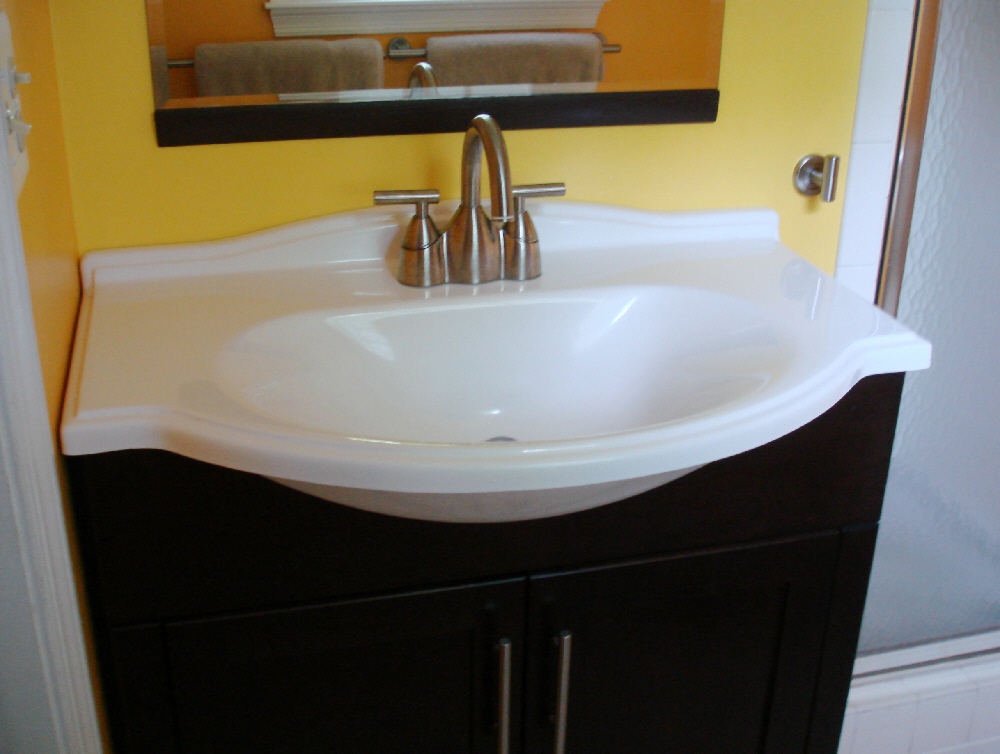
Characteristics and design
Typical bathroom cabinets have one or more shelves, adjustable panels, and either a mirrored or solid door. They are made from moisture-resistant materials such as treated wood, laminates, stainless steel, or molded plastics. Mounting options include recessed installation that fits into wall cavities and surface-mounted models that project from the wall. Modern variants may include anti-fog coatings, LED illumination, soft-close hinges and electrical features for shavers or toothbrush chargers.
- Common features: mirror, shelves, locking option, lighting, outlets.
- Installation types: recessed, surface-mounted, freestanding or vanity-integrated.
- Materials: painted wood, plywood with veneer, metal, engineered plastic.
History and development
The bathroom cabinet evolved from simple domestic cupboards as indoor plumbing and home medical supplies became common. As households required convenient, hygienic storage for ointments, bandages and grooming tools, small wall cabinets were adopted for their space efficiency. Over time the design incorporated mirrors and electrical conveniences, reflecting changes in bathroom layout and technology.
Uses, organization and safety
People use bathroom cabinets to keep items such as medications, first-aid supplies and daily grooming products neatly arranged. Storing items off countertops reduces clutter and protects them from splashes. Because cabinets often hold pharmaceuticals, many models or households adopt child-resistant locks or keep controlled substances in secure containers. It is also practical to segregate cosmetics, toothbrushes and fragrances to reduce cross-contamination—items like a toothbrush or perfumes are typical examples.
Installation, maintenance and modern trends
Proper installation typically requires locating studs or using appropriate anchors, selecting corrosion-resistant fasteners, and sealing edges to limit moisture intrusion. Regular maintenance includes cleaning mirrors, checking seals and replacing burnt-out bulbs. Current trends include mirrored cabinets with built-in defoggers, Bluetooth speakers, adjustable shelving, and smart sensors that monitor humidity or inventory. Designers also offer coordinated finishes to match vanities and faucets so the cabinet integrates with overall bathroom decor.
Related articles
Author
AlegsaOnline.com Bathroom cabinet (medicine cabinet) Leandro Alegsa
URL: https://en.alegsaonline.com/art/9374