
Sink: design, function, and common types
A sink is a fixed basin for washing and draining water. This article explains parts, materials, mounting styles, uses, maintenance, and common variations found in kitchens, bathrooms, and utility spaces.
A sink is a fixed plumbing fixture with a bowl or basin that collects water for washing, food preparation, or other household tasks. Sinks appear in kitchens, bathrooms, laundry rooms and workshops. They combine a receptacle for water with taps for supply and a drain for wastewater, and they are available in many sizes, shapes and materials to suit different uses.
Image gallery
7 Images


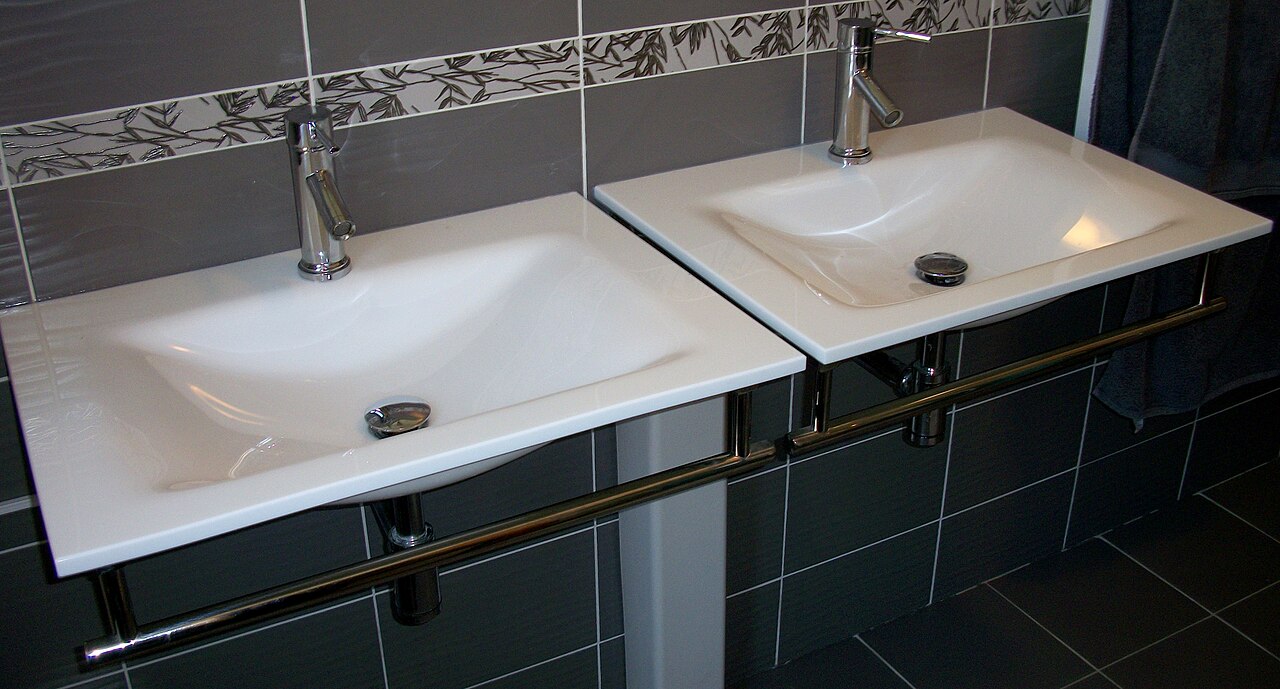


Core parts and how they work
Typical components include the bowl or basin, one or more taps (faucets) that deliver hot and cold water, and a drain that channels water away. Beneath the drain sits a trap (commonly a P-trap) to block sewer gases, and a tailpiece and waste pipe connect to the building plumbing. Accessories such as spray hoses, soap dispensers, water filters or garbage disposers are often integrated.
Materials and finishes
Sinks are made from stainless steel, fired ceramics (porcelain/enamel), cast iron with enamel coating, natural stone, composite granite, and acrylic. Choice of material affects durability, appearance, heat and stain resistance, and cost. Stainless steel dominates kitchens for its resilience; ceramics are common in bathrooms for ease of cleaning and a traditional look.
Styles and mounting methods
- Top-mount/drop-in: rim rests on the countertop for straightforward installation.
- Undermount: fixed beneath the counter for a flush appearance and easier countertop cleaning.
- Integrated and farmhouse (apron-front): offer distinctive profiles and often larger single basins.
- Pedestal and wall-mounted: frequent in small bathrooms or where cabinetry is not required.
Sinks are sized and shaped according to their intended tasks: kitchen sinks tend to be deeper and wider for pots and pans; bathroom sinks prioritize ergonomics for handwashing and grooming.
Uses, maintenance and notable considerations
Beyond washing hands and dishes, sinks are used for food preparation, soaking textiles, and as receptacles in laboratories or workshops. Regular maintenance includes clearing the drain, cleaning surfaces with appropriate cleaners for the material, protecting finishes from abrasive scrubbing, and checking seals and plumbing connections for leaks. Many households add strainers, garbage disposals, or filters to improve function.
When choosing a sink consider capacity, installation type, faucet compatibility, and surrounding countertop material. Proper selection and installation influence hygiene, workflow in the kitchen or bathroom, and long-term durability.
Author
AlegsaOnline.com Sink: design, function, and common types Leandro Alegsa
URL: https://en.alegsaonline.com/art/90669