
Stanley Tigerman (1930–2019)
American architect, theorist and educator from Chicago known for expressive, human-centered institutional and civic projects, influential teaching, and a role in debates over late 20th-century architecture.
Stanley Tigerman (September 20, 1930 – June 3, 2019) was an American architect, theorist and designer whose work had a long association with the civic and cultural life of Chicago and the state of Illinois. His career combined built commissions, writing, public advocacy and teaching. Tigerman became known for projects that sought to balance conceptual expression with attention to program, human scale and context.
Image gallery
2 Images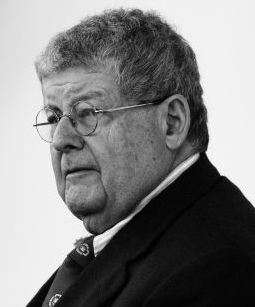

Early career and associations
Tigerman emerged during a period of debate about modern architecture and is often associated with a group of Chicago architects who challenged strict modernist orthodoxy. He founded his own practice and taught widely, which allowed him to move fluidly between professional commissions and academic work. His approach was shaped by a skepticism of rigid stylistic dogma and an interest in symbolism, narrative and the needs of users.
Design approach and characteristics
Critics have described Tigerman’s work as eclectic, expressive and responsive to specific programmatic and social contexts. He frequently used geometric forms, contrasting materials and clear organizational strategies to make civic and institutional functions legible. While playful and sometimes ironic in gesture, his buildings generally emphasized accessibility, human scale and a clear relationship between form and use.
Significant projects
Over several decades Tigerman completed a range of public and institutional works. Among his best-known projects are:
- Five Polytechnic Institutes in Bangladesh, an international commission that extended his practice beyond the United States;
- Illinois Holocaust Museum and Education Center in Skokie, a memorial and educational facility designed to address memory, pedagogy and community use;
- Illinois Regional Library for the Blind and Physically Handicapped in Springfield, a specialized civic institution responding to particular user needs;
- POWERHOUSE Energy Museum in Zion, an example of interpretation and exhibition design applied to public education.
Teaching and leadership
Tigerman maintained a long involvement in architectural education, teaching at multiple universities across the United States and mentoring many students. He served as director of the School of Architecture at the University of Illinois at Chicago and frequently lectured on architecture, urbanism and design theory. For a summary of his academic roles and visiting positions see his teaching affiliations.
Context, public role and writings
Beyond buildings, Tigerman was active in public debates about architecture and urban design. He contributed essays and public statements that addressed the social responsibilities of architects, the preservation of urban fabric and the need for design to engage diverse publics. His work and commentary are often studied in discussions of late 20th-century American architectural trends.
Personal life and legacy
Born in Chicago into a Jewish family, Tigerman remained closely connected to the city throughout his life. He married several times and had two children. Late in life he experienced chronic respiratory illness and died in Chicago of chronic obstructive pulmonary disease (COPD) on June 3, 2019 at the age of 88. His buildings, writings and students form a substantial part of his legacy.
Reception and continuing interest
Tigerman is remembered as a provocative and engaged figure whose work resisted easy classification. Architects, historians and students continue to examine his projects for their thoughtful responses to program, civic intent and symbolic content. Exhibitions, retrospectives and academic studies have revisited his contributions to Chicago architecture and to debates about the role of design in public life.
For those researching Tigerman’s career, his combination of practice, teaching and public commentary provides a useful case study in how architects can shape both buildings and discourse. He remains an important figure for understanding alternative directions in American architecture after mid‑century modernism.
Further reading and archival material are available through institutional collections and publications that document his projects, writings and influence on contemporary architectural thought.
See also general resources on 20th-century architecture, architectural pedagogy and civic design practice for broader context.
Architecture | Chicago | Illinois | International projects | Museums | Libraries | Exhibitions | Teaching | Health and biography
Related articles
Author
AlegsaOnline.com Stanley Tigerman (1930–2019) Leandro Alegsa
URL: https://en.alegsaonline.com/art/93391
Sources
- chicago.suntimes.com : "Stanley Tigerman, pillar of Chicago architecture, dies at 88"