
Stanley (Port Stanley) — capital of the Falkland Islands
Stanley (Port Stanley) is the principal town and administrative centre of the Falkland Islands on East Falkland. It is the islands' largest settlement, a port and tourist gateway with a notable modern history.
Stanley, often called Port Stanley, is the capital and principal town of the Falkland Islands. Located on the northeastern coast of East Falkland, it is the islands' largest settlement and houses a large share of the territory's residents. Although small by global standards, Stanley functions as the political, commercial and social centre of the islands, with local government offices, shops, and services that support both residents and visitors.
Image gallery
10 Images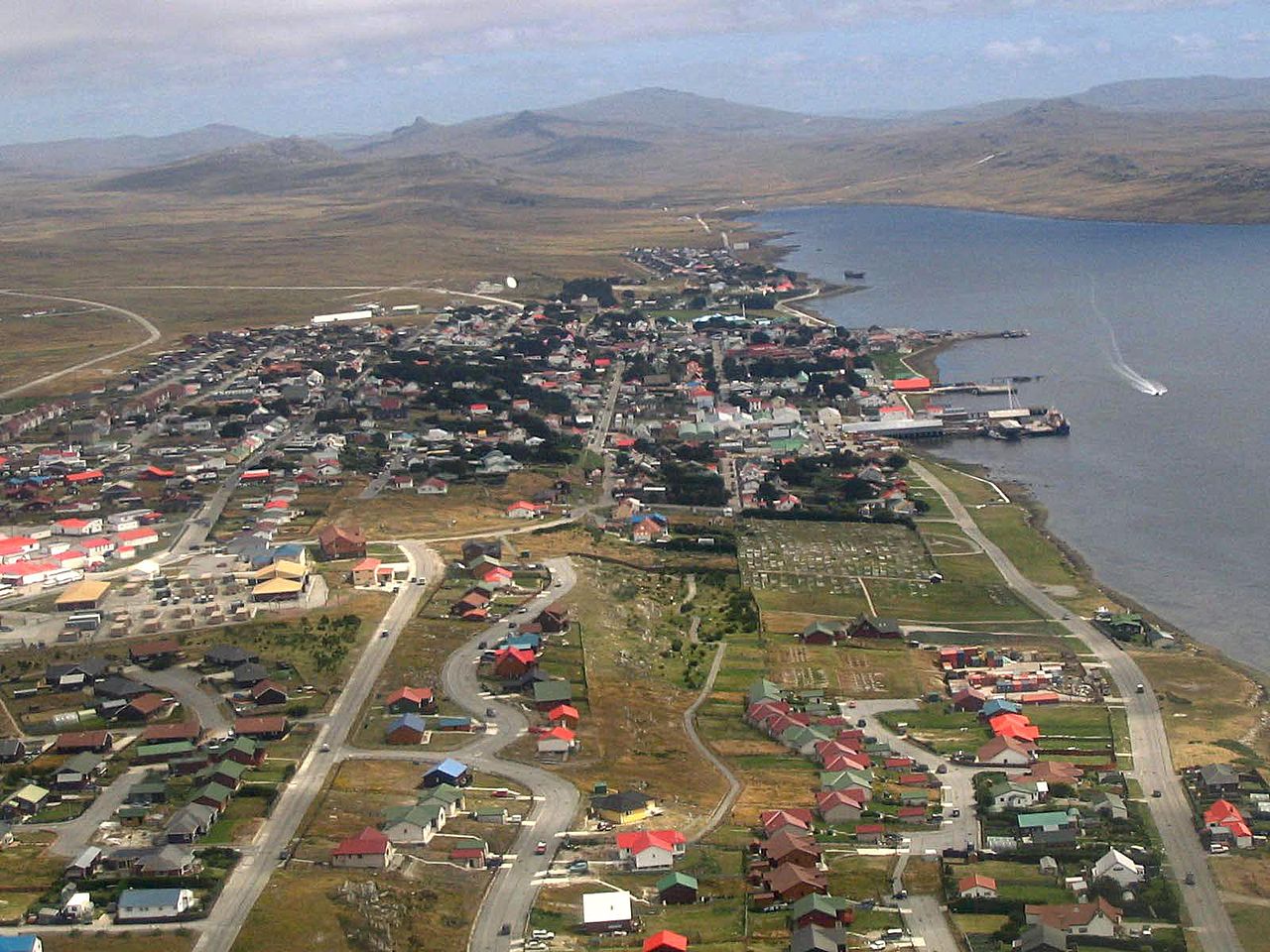


Geography and built environment
Stanley sits on a sheltered harbour and is framed by low hills and rocky shores. The urban area combines a compact town centre with scattered residential districts and outlying rural properties. The town's waterfront includes a working seaport and quays used by fishing vessels, supply ships and visiting cruise ships. A small domestic airstrip and a nearby military-run airport provide air links, while sea connections remain important for freight and tourism.
History and 20th century events
The settlement developed in the 19th century as a port and administrative base for the islands. Stanley's modern history is closely associated with the 1982 conflict between the United Kingdom and Argentina. During the Falklands War, fighting took place in and around the town; Argentine forces briefly occupied Government House in Stanley before British forces retook the islands later that year. The conflict prompted post-war investments in local infrastructure and defence facilities that continue to shape the town's layout and services.
Economy, transport and services
The town's economy blends public administration, retail and services with tourism and fishing-related activity. Stanley is the main landing point for cruise passengers touring South Atlantic wildlife and landscapes, and small tour operators offer day trips to nearby penguin colonies and historic sites. Freight and supply vessels keep the islands provisioned; since 1985 a larger airbase on East Falkland has handled most international and military flights, while a nearer airstrip serves local connections.
Cultural life, landmarks and visitor attractions
Despite its modest size, Stanley contains several cultural and historic points of interest. Notable features include a local museum with displays on island life and the 1982 conflict, a 19th-century church and a collection of vernacular stone and timber buildings. Visitors often explore natural attractions nearby and use the town as a base for wildlife-watching excursions. The town also hosts community events and commemorations that reflect island identity and heritage.
Distinctions and contemporary role
Stanley remains the only true town on the islands and the focal point for government, education and health services; it can be described as the political and social heart of the territory and the primary gateway for incoming visitors. As the largest settlement, sometimes referred to in sources as the main settlement or the only town of significance, Stanley continues to balance a remote island character with the practical needs of administration, commerce and an evolving tourism sector.
Related articles
Author
AlegsaOnline.com Stanley (Port Stanley) — capital of the Falkland Islands Leandro Alegsa
URL: https://en.alegsaonline.com/art/93373