
Bastrop, Texas
Bastrop, Texas: a historic city on the Colorado River, county seat of Bastrop County, known for its Victorian downtown, Lost Pines forest, state park recreation, and proximity to Austin.
Bastrop is a city in the United States with a long local history and a distinctive natural setting. Located along the Colorado River in Texas, it serves as the county seat of Bastrop County and sits within easy driving distance of the Austin metropolitan area. The city's riverside downtown, preserved historic buildings, and nearby pine woodlands make it a regional center for tourism, outdoor recreation, and small-business activity.
Image gallery
4 Images


Geography and environment
Bastrop occupies a transition zone between prairie and forest where an isolated stand of pines—commonly called the "Lost Pines"—occurs farther west than that species usually grows. The Colorado River runs through the community, shaping local parks and waterfront recreation. Because of its position near the eastern edge of central Texas, Bastrop experiences a humid subtropical climate with hot summers and mild winters, and it is influenced by both rural landscapes and the expanding suburbs of a nearby state capital.
History and development
The town grew in the 19th century as a local trading and government center and retains many 19th- and early-20th-century structures in its historic district. Its name commemorates an early empresario associated with Texas history. Over time Bastrop evolved from an agricultural and river commerce hub into a community that balances preservation with steady growth, as people and businesses attracted by the area’s character and proximity to Austin have relocated there.
Culture, economy, and services
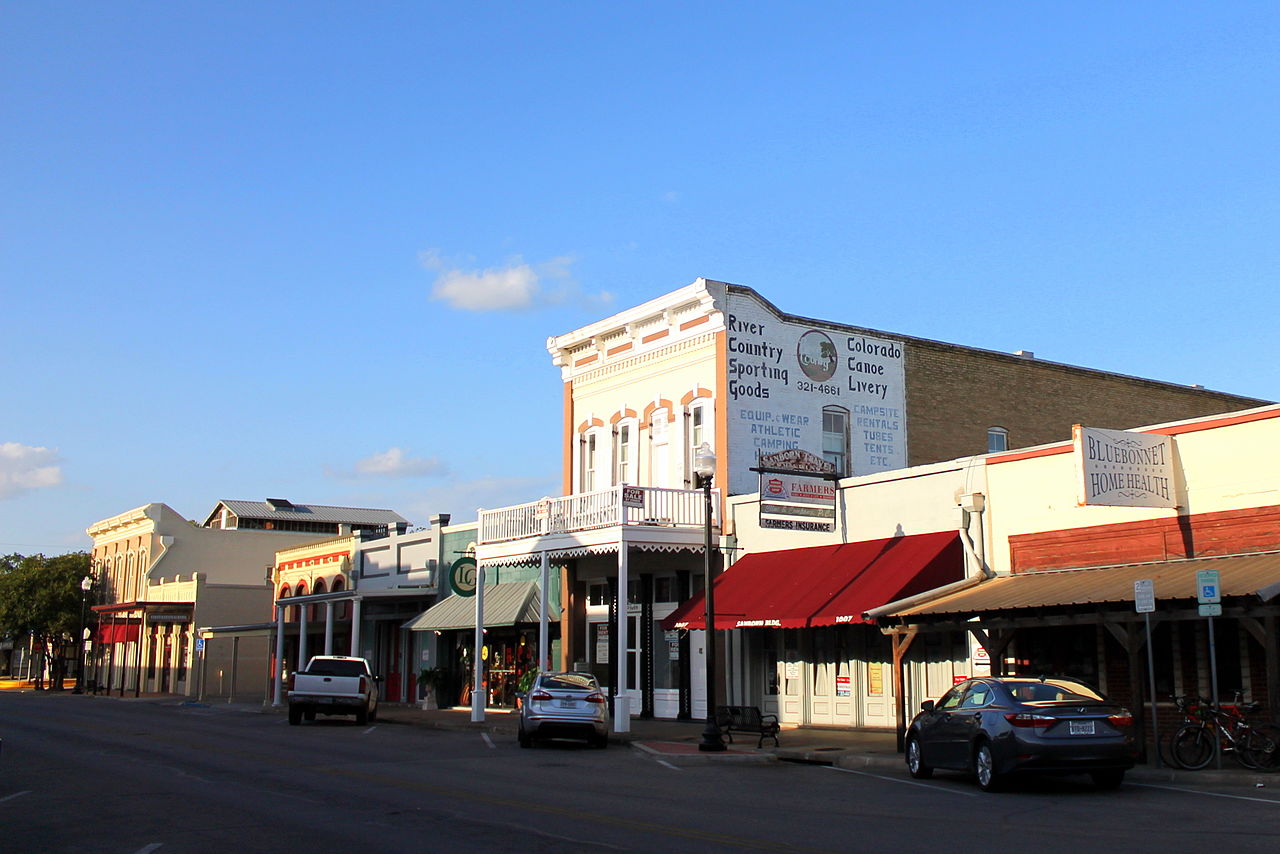
Local life blends heritage tourism, arts, and small-scale industry. A preserved Main Street hosts shops, galleries, restaurants, and civic institutions; municipal structures such as the county courthouse are local landmarks. Bastrop is served by public schools and regional educational resources, and many residents commute to jobs in nearby cities while contributing to a diversified local economy that includes construction, retail, professional services, and recreation-related enterprises.
Recreation and notable places
- Bastrop State Park: popular for hiking, camping, and its Civilian Conservation Corps-era facilities.
- Historic downtown: Victorian and early commercial architecture, shops, and festivals.
- Colorado River access: fishing, paddling, and riverside parks.
- Lost Pines region: a unique ecological area known for loblolly pines and scenic open space.
Visitors and residents also remember the community’s resilience after major wildland fires and storms in recent decades, events that prompted restoration efforts for parklands and historic neighborhoods. Bastrop’s mix of history, natural features, and proximity to a large urban center make it a notable example of a small Texas county seat adapting to 21st-century pressures while preserving its local identity. More information about regional services and government is available through local resources.
Tags
Related articles
Author
AlegsaOnline.com Bastrop, Texas Leandro Alegsa
URL: https://en.alegsaonline.com/art/9335