
Bastrop, Louisiana — Parish seat of Morehouse Parish
Bastrop is a small city in northeastern Louisiana that serves as the parish seat of Morehouse Parish. It functions as a regional center for government, schools, commerce and rural services.
Overview
Bastrop is the parish seat of Morehouse Parish in northeastern Louisiana and functions as a local center for surrounding rural communities. The city administers parish government and provides services that support a broad agricultural and timber region. It is commonly referenced in regional planning and education as a focal point for commerce and civic life. More information about the parish is available from local resources: Morehouse Parish.
Image gallery
5 Images


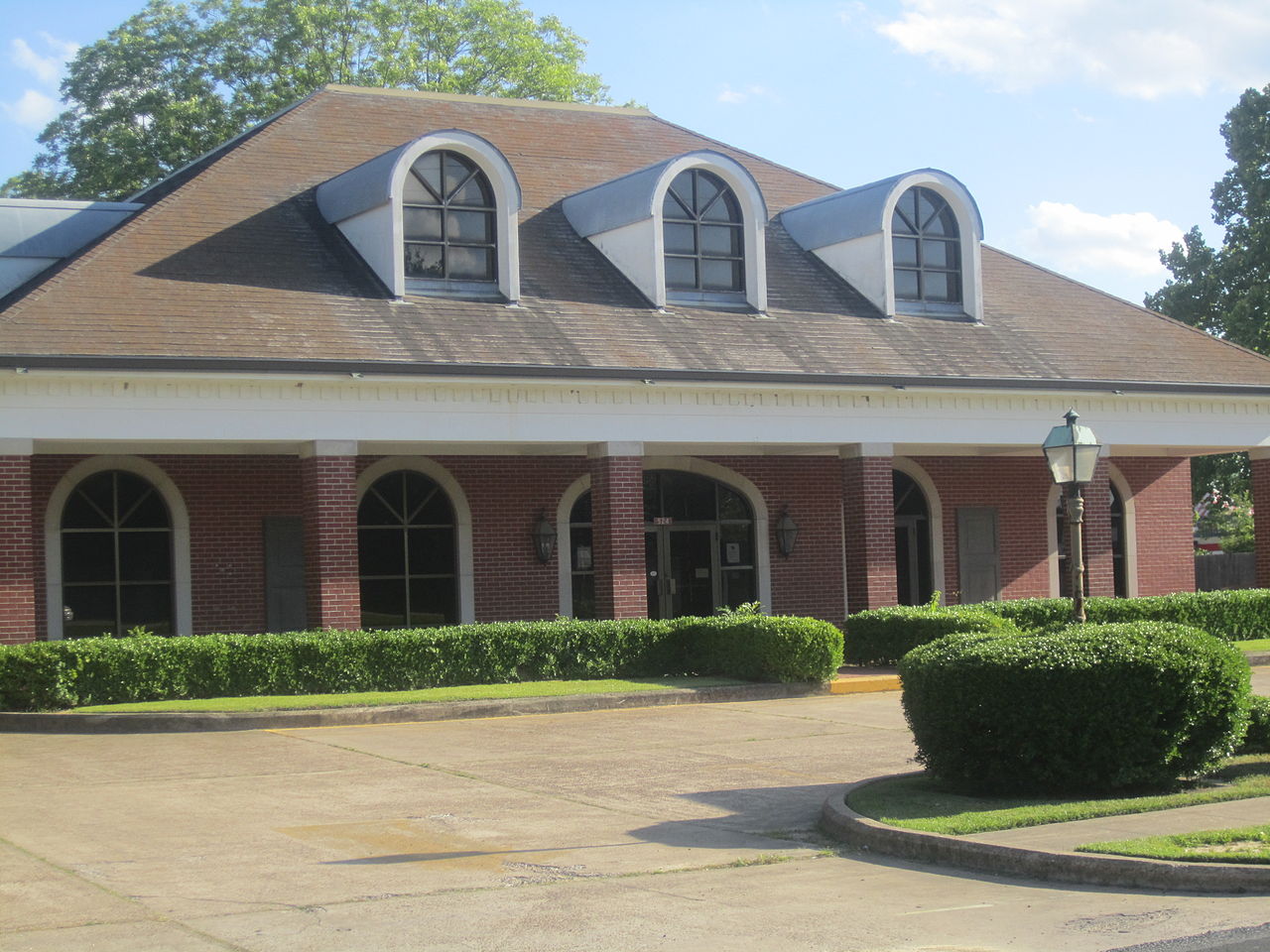

Geography and character
Bastrop occupies a modest footprint typical of small American county- or parish-seats. It serves as a hub for county services, small businesses, light manufacturing and service industries that cater to nearby farms and woodlands. The surrounding landscape is characterized by rural roads, farmland and forested tracts; the city provides retail, medical and professional services that are not widely available in more sparsely populated areas.
History and name
The community developed in the 19th century as settlement and transportation expanded across northeastern Louisiana. The city’s name is associated with the historical figure known as the Baron de Bastrop, a land agent and early settler whose name appears in several place names across the region. Over time Bastrop grew into the administrative heart of Morehouse Parish, with a courthouse and municipal institutions concentrating local governance.
Demographics
As recorded by the U.S. Census, Bastrop had a population of 11,365 at the 2000 census; more recent counts vary and are tracked by federal and state demographic sources. The population reflects a mix of long-term residents and families tied to agriculture, education and public employment. Local statistics and trends are tracked by parish and state agencies: U.S. Census data.
Economy, education and infrastructure
The local economy includes farming, timber-related industries, retail trade and government employment. Bastrop is home to the Morehouse Parish School District, which administers public education for the city and surrounding areas and anchors many community activities. Transportation links include regional highways and roads that connect Bastrop with larger urban centers in Louisiana and neighboring states.
Notable facts and role
- Administrative center: Bastrop houses parish administrative offices and the courthouse, making it the legal and political hub of Morehouse Parish.
- Community services: The city offers regional healthcare, education and retail services for a largely rural population.
- Cultural identity: Bastrop reflects the history and economy of northeastern Louisiana, where agriculture and timber shaped settlement and local traditions.
- Regional connections: It functions as a service and trade node linking smaller towns and farms with statewide networks.
Together, these elements describe Bastrop as a small but important civic center in northeastern Louisiana, with roots in 19th-century settlement and an ongoing role serving a rural region.
Related articles
Author
AlegsaOnline.com Bastrop, Louisiana — Parish seat of Morehouse Parish Leandro Alegsa
URL: https://en.alegsaonline.com/art/9334