
Standing Ovation: Meaning, Contexts, and Cultural Significance
A standing ovation is an audience response in which people rise and applaud to honor a performance, achievement, or person. This article explains its forms, social meanings, history, etiquette, and notable variations.
Overview
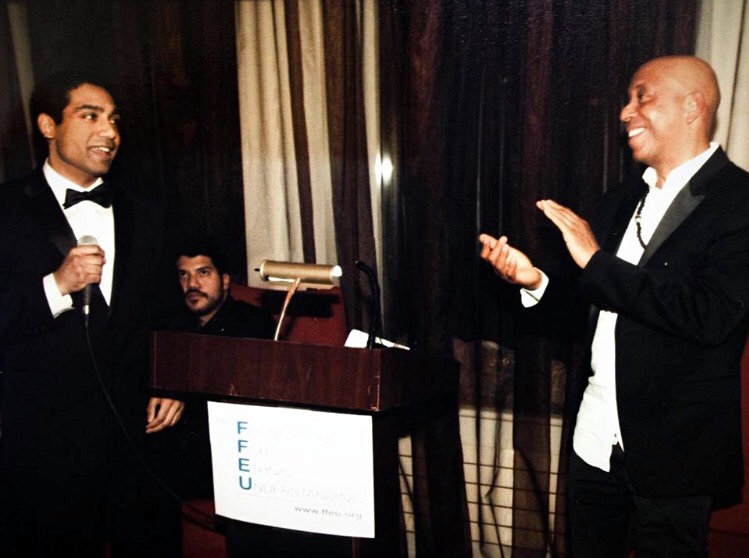
A standing ovation is a collective gesture in which members of a seated audience rise to their feet while applauding. It signals strong approval, admiration, or respect for a person, group, or event. Often spontaneous, a standing ovation amplifies ordinary applause into a visible show of esteem and can occur at the end of a theatrical performance, speech, ceremony, sporting contest, or tribute.
Image gallery
4 Images


Characteristics and how it happens
Typical elements include rising from seats, clapping rhythmically, and sometimes cheering. The transition from seated applause to standing is usually gradual: a few audience members stand first and others follow. A standing ovation may be brief or prolonged; duration and intensity vary by culture, venue, and the emotional context. In some cases the audience may also observe a silent standing tribute.
History and development
The practice evolved alongside formal public performances and assemblies where audience reactions became part of the social ritual. Over time, standing to show honor extended beyond theater to civic ceremonies and sporting arenas. In democratic societies the gesture also acquired symbolic weight as an unmediated expression of popular approval.
Uses, examples, and contexts
- Arts: actors and musicians commonly receive standing ovations after exceptional performances or at curtain calls; critics and organizers often note them as markers of acclaim.
- Politics and public life: legislators, speakers, or activists may be given standing ovations during addresses or award moments.
- Sporting events: fans applaud outstanding individual or team accomplishments with a standing ovation.
- Memorials and tributes: audiences sometimes stand silently or applaud to honor someone who has died or made a notable sacrifice.
Etiquette, variations, and notable facts
Customs differ by setting. In formal concerts and some theaters, audiences may avoid standing until performers request it with a curtain call. At award ceremonies and film festivals, prolonged standing ovations are a visible sign of exceptional reception. Critics sometimes debate the sincerity of ovations—whether they are spontaneous or encouraged by hosts or social contagion. A distinct form is the "standing silent ovation," where people stand without applause as a mark of solemn respect.
For further reading about audience behavior and the meaning of public applause, see resources on applause dynamics and the psychology of group responses to performance.
Related articles
Author
AlegsaOnline.com Standing Ovation: Meaning, Contexts, and Cultural Significance Leandro Alegsa
URL: https://en.alegsaonline.com/art/93337