
St Hilda's College, Oxford
A constituent college of the University of Oxford, founded for women in 1893 and admitting men from 2008. Known for its academic community, gardens and role in widening access to Oxford.
Overview
St Hilda's College is one of the constituent colleges of the University of Oxford. Established in 1893 to provide women with access to Oxford education, it remained a single‑sex institution for more than a century before becoming coeducational in 2008. The college combines teaching support within the university's tutorial system with its own residential, social and pastoral facilities.
Image gallery
10 Images





History and development
St Hilda's was founded in the late Victorian era at a time when higher education for women was expanding in Britain. Its name commemorates Hilda of Whitby, a 7th‑century abbess remembered for learning and leadership. Over the 20th century the college expanded physically and academically, reflecting broader changes in Oxford as colleges grew more diverse in student body and disciplines.
Buildings, grounds and character
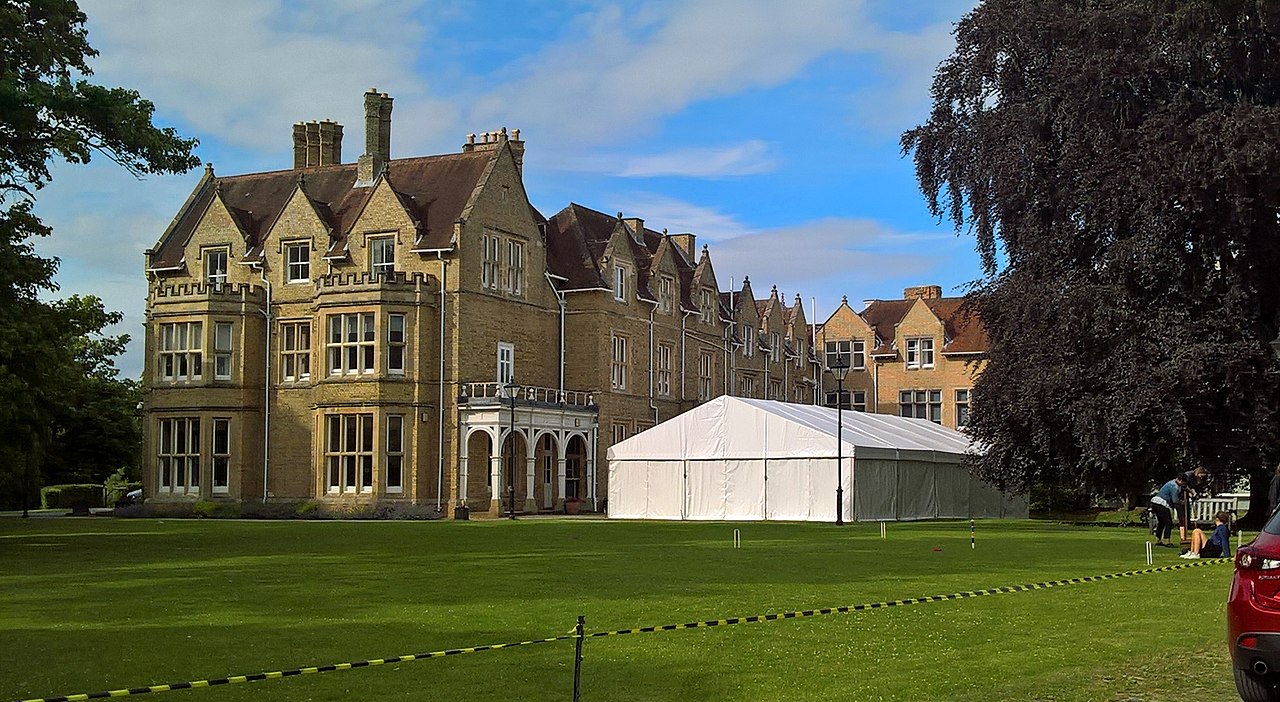
The college occupies a compact site on the eastern side of the city and is known for a mixture of older and modern buildings, green spaces and informal gardens. Facilities typically include student accommodation, libraries or study rooms, a dining hall used for formal meals, and common rooms for undergraduate and postgraduate students. The physical character of the site blends collegiate intimacy with practical facilities for contemporary study.
Academic focus and student life
As with other Oxford colleges, St Hilda's does not teach courses itself but admits students to university examinations and tutorials across the arts, humanities, social sciences and sciences. The college supports students with scholarships, academic mentoring and a tutorial network. Social life is organised around common rooms, societies, music and sports; formal dinners and college events remain an important part of community life.
Notable roles and distinctions
St Hilda's has been recognised for its long role in widening access to Oxford and for adapting to changing expectations about collegiate life. Its decision to admit men in 2008 mirrored wider trends among formerly single‑sex colleges at Oxford. The college continues to balance traditions with initiatives aimed at inclusion and student welfare.
Practical information
- Part of the University of Oxford network: university links and resources.
- Historical context and founding details: women's college history.
- General visitor or contact pages: college and city information.
- Further reading and college resources: official college pages.
Related articles
Author
AlegsaOnline.com St Hilda's College, Oxford Leandro Alegsa
URL: https://en.alegsaonline.com/art/93166