
St Helens, Isle of Wight
St Helens is a small coastal village and civil parish on the eastern side of the Isle of Wight, known for its tidal creek, dunes and marshes, historic church, and recreational coastal environment.
St Helens is a small village and civil parish on the eastern side of the Isle of Wight. Positioned close to the island's eastern coastline, the settlement combines a rural character with maritime influences. The area attracts walkers, birdwatchers and visitors interested in coastal scenery and village history. For broader context see Isle of Wight.
Image gallery
6 Images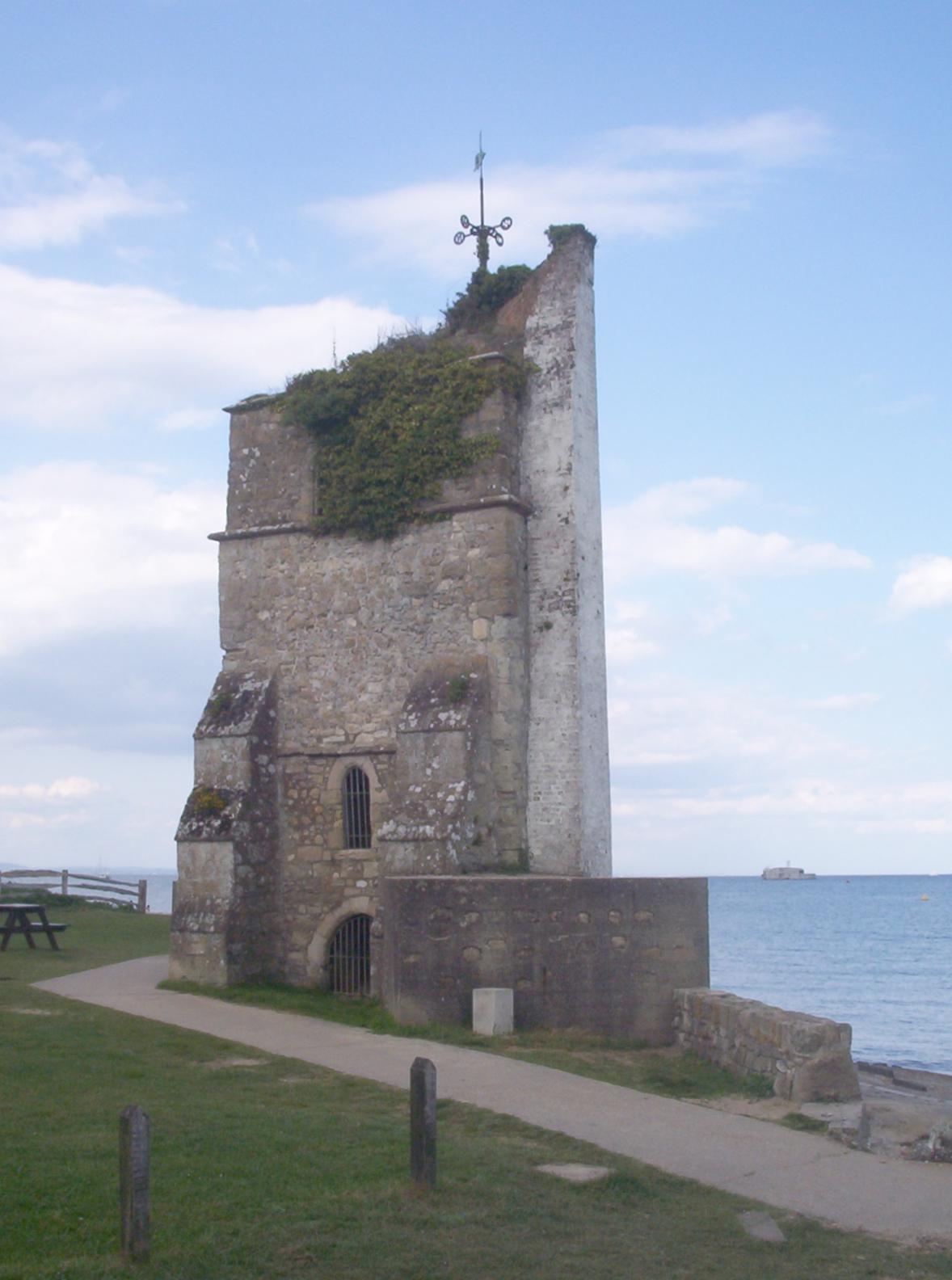


Geography and landscape
The village sits beside a tidal creek and estuarine flats that meet a narrow shingle or sand shoreline and adjacent dune and marsh habitats. These low-lying areas are interwoven with farmland and hedged lanes. The mix of saltmarsh, mudflats and dunes supports a variety of coastal plants and feeding grounds for wading birds, and the nearby sea encourages small-boat activity.
History and development
St Helens grew up as a small fishing and farming community with long-standing ties to the sea. Over centuries the settlement kept a largely local, agricultural pattern, with only modest growth compared with larger island towns. Historic buildings in the village reflect its age and traditional materials; a parish church has long been a focal point of local identity.
Landmarks, nature and recreation
- Coastal strand and dune area offering short walks and wildlife watching
- Tidal creek and sheltered waters used for small craft and angling
- Historic village church and traditional cottages
- Rural lanes connecting to nearby villages and the island coastal path
Visitors come for peaceful seaside scenery rather than extensive commercial facilities. The combination of shore, marsh and farmland makes St Helens an example of the Isle of Wight's quieter coastal communities, where conservation and low-impact recreation are common priorities.
Notable concerns in such coastal villages include coastal change, seasonal visitor pressure and the maintenance of local services. St Helens remains valued for its setting, natural habitats and sense of place on the island's eastern shore.
Related articles
Author
AlegsaOnline.com St Helens, Isle of Wight Leandro Alegsa
URL: https://en.alegsaonline.com/art/93163
Sources
- commons.wikimedia.org : St Helens, Isle of Wight
- webarchive.nationalarchives.gov.uk : English Parishes & Welsh Communities N&C 2004