
Sprinter (British Rail) — British diesel multiple-unit family
Sprinter is the informal name for a family of British diesel multiple units introduced in the 1980s–90s for regional and commuter services. They are noted for standardised mechanical systems and widespread use.
Overview
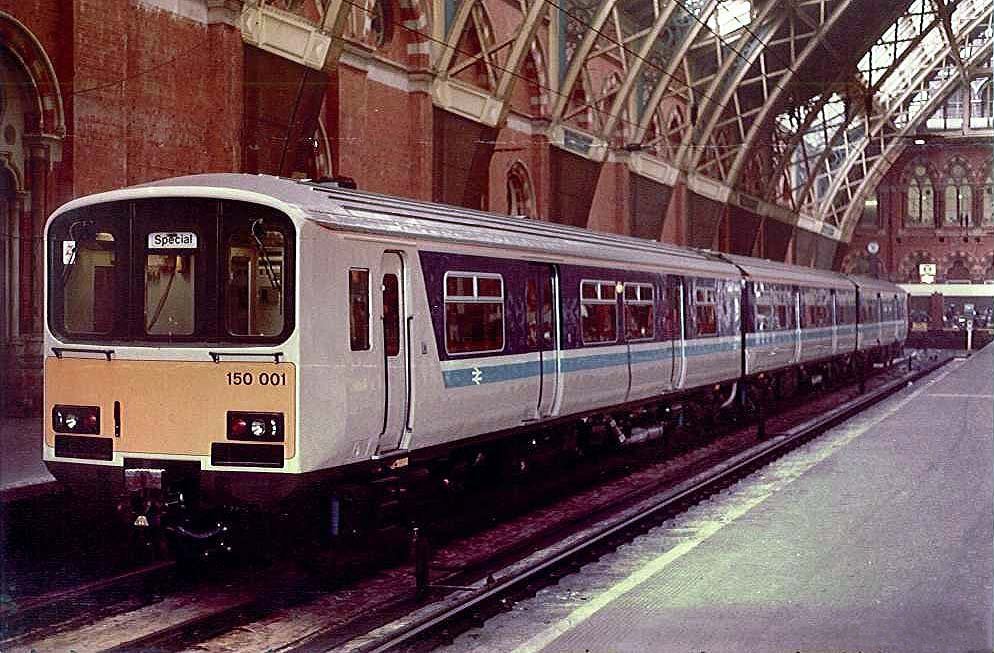
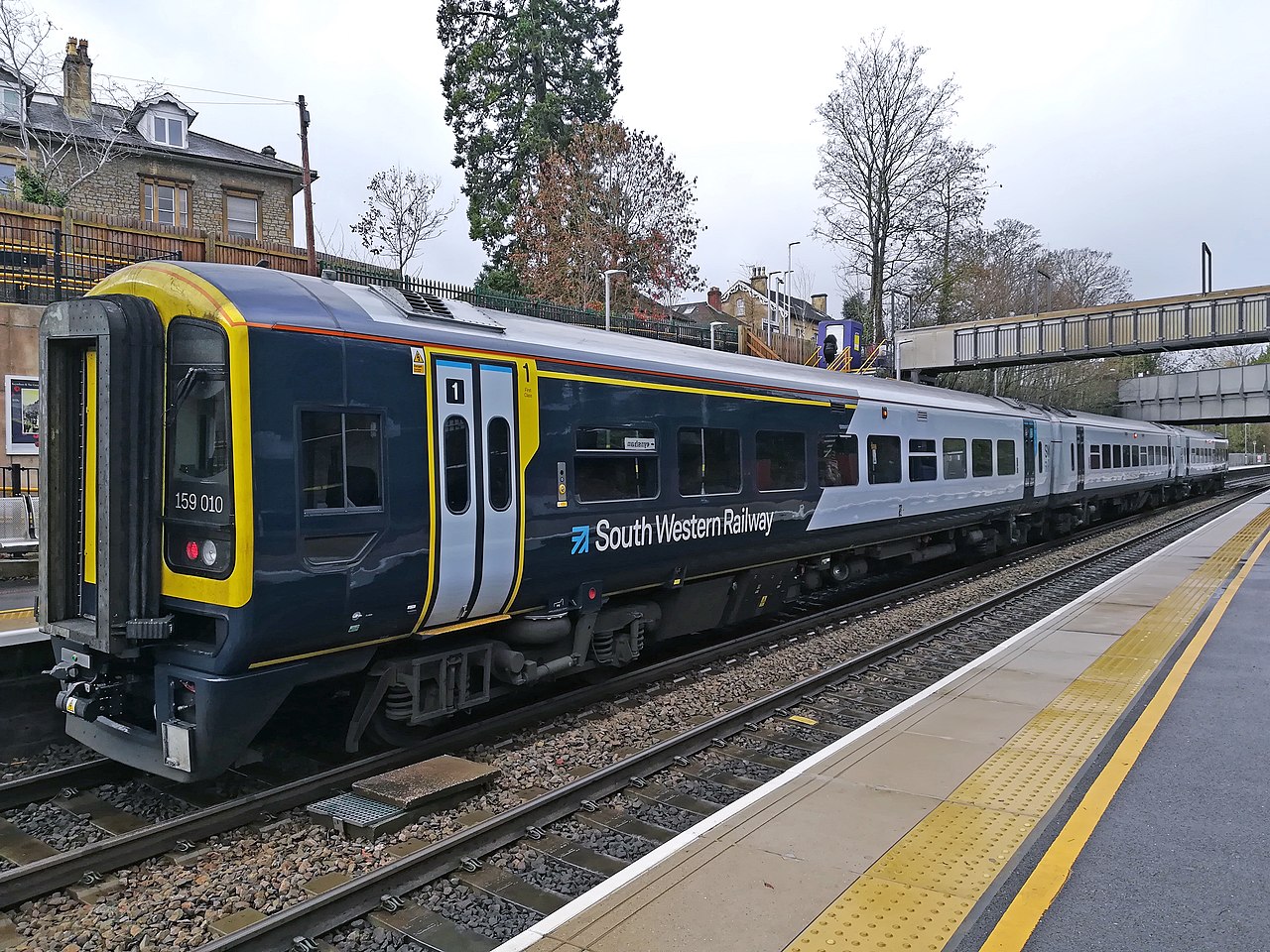
The term "Sprinter" is used informally for a group of British diesel multiple units introduced to renew regional and local services in the 1980s and early 1990s. These trains are self-contained multiple units rather than locomotive-hauled sets: a typical Sprinter unit contains its own traction equipment and driving cabs, enabling flexible two- or three-car formations. The family was produced by several manufacturers and adopted a common mechanical approach based around a Cummins engine and Voith hydraulic transmission.
Image gallery
10 Images


Design and characteristics
Sprinters were designed to provide improved acceleration, reliability and passenger comfort compared with older first-generation DMUs. Key characteristics include:
- Diesel power with hydraulic transmission, using standardised engines and gearboxes for ease of maintenance.
- Multiple-unit operation: sets can be coupled together and driven from one cab.
- Varied interior layouts: short-distance commuter seating, and versions with more comfort for longer regional journeys.
- Common formation sizes: two- and three-car sets were typical, allowing operators to match capacity to demand.
History and manufacturers
Development began in the 1980s as British Rail sought replacements for ageing rolling stock. The vehicles were built by several contractors, including BREL, Metro Cammell and Leyland. The concept emphasised modularity and shared components so different subclasses could be maintained with common spares and procedures. The name "Sprinter" became a convenient label covering multiple related classes rather than a single design.
Operation and uses
Sprinter units entered service on a wide range of routes across the UK: rural branch lines, suburban commuter routes and regional expresses into major towns and cities. Their flexibility allowed train operators to deploy them where a self-powered, medium-capacity train was required. Over decades many units underwent refurbishment to update interiors, accessibility, and passenger information systems.
Variants, distinctions and legacy
Several class numbers are commonly associated with the Sprinter family. They are distinct from later families such as the electric Desiro units or the bus-derived "Pacer" units, which used different construction philosophies. Many Sprinters have had long service lives and some remain in operation today, having been adapted or modernised. Their success influenced subsequent DMU development and provided a durable backbone for regional services.
For technical summaries and class lists see further reading: diesel multiple unit overview.
Related articles
Author
AlegsaOnline.com Sprinter (British Rail) — British diesel multiple-unit family Leandro Alegsa
URL: https://en.alegsaonline.com/art/92892