
Bass drum
A large, low-pitched percussion instrument used in orchestras, marching bands, and drum kits. Covers construction, history, playing contexts, variants, and maintenance basics.
The bass drum is the lowest-pitched member of the drum family and serves as a primary source of low-frequency pulse in many musical settings. It produces deep, resonant tones when struck and appears in a wide variety of ensembles, from symphony orchestras and marching bands to modern drum kits in popular music. In chamber and concert settings it is often called a concert or orchestral bass drum; in marching contexts several drums of different sizes may be used in a set; and in a drum kit it is played with a foot pedal.
Image gallery
10 Images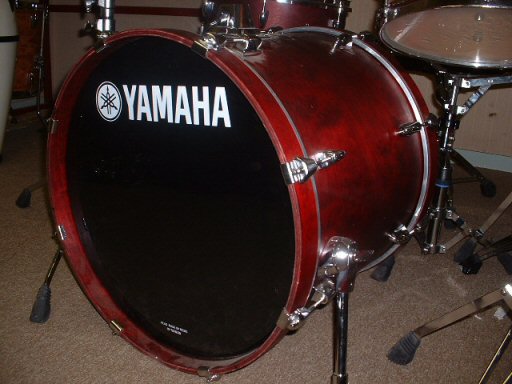




Construction and key parts
A typical bass drum consists of a cylindrical shell with drumheads stretched across one or both ends. Common components include:
- Shell: usually wood, sometimes synthetic, which influences tone and projection.
- Drumheads: the batter head (struck) and resonant head (opposite side); materials affect attack and sustain.
- Hoops and tension rods: used to secure and tune the heads.
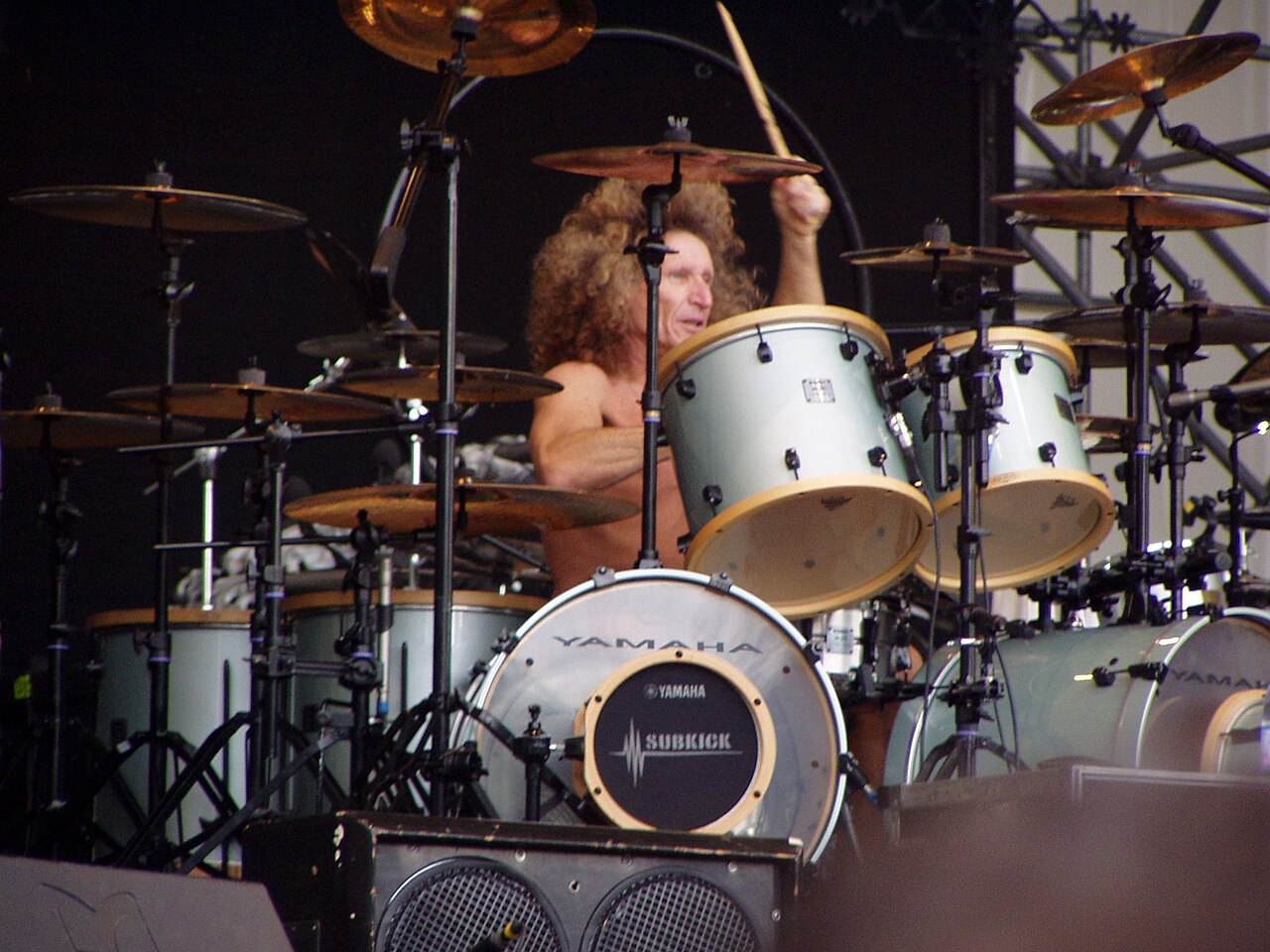
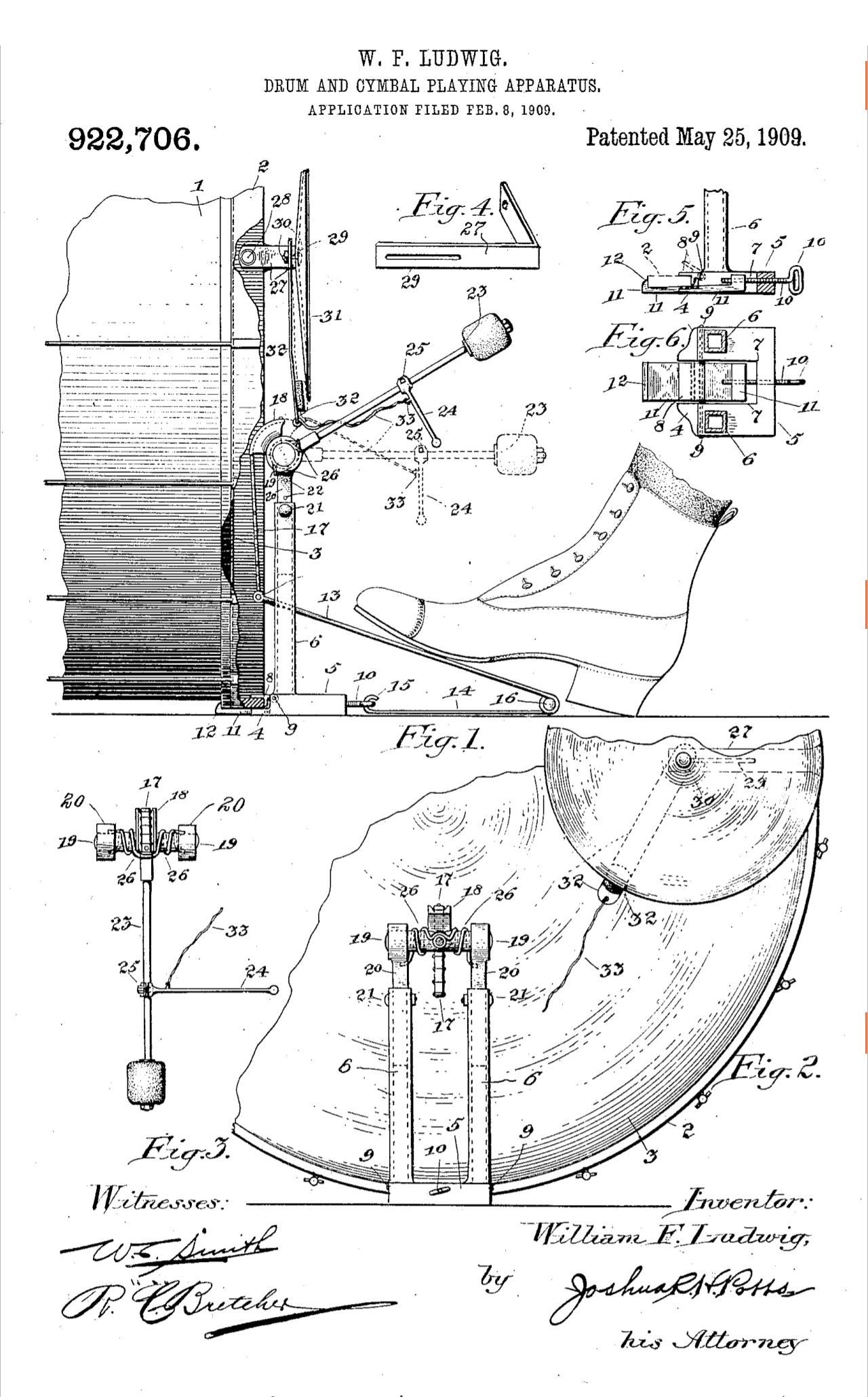
- Beater: on drum kit bass drums, a felt or plastic beater attached to a pedal strikes the head.
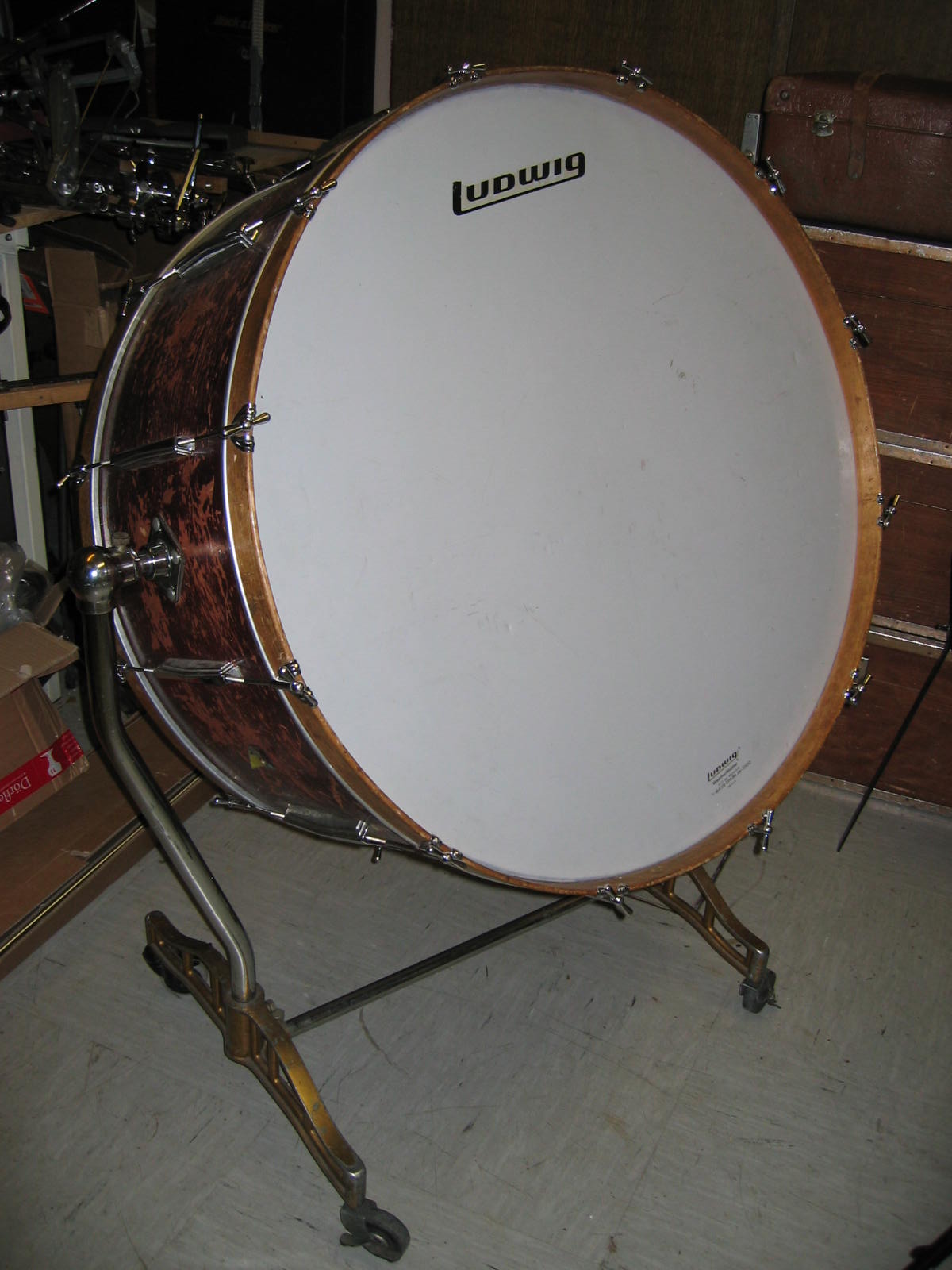
- Mounts and carriers: marching drums have harnesses; concert drums may sit on specialized stands.
History and development
Large bass drums have long been part of military and ceremonial music because their low frequencies carry outdoors. By the 18th and 19th centuries they were integrated into the symphony orchestra, used for dramatic emphasis and rhythmic reinforcement. The invention of practical foot pedals in the late 19th and early 20th centuries made a compact bass drum central to the drum kit, enabling a single player to supply both hand and foot-driven rhythms.
Uses and musical roles
In orchestral music the bass drum often provides punctuated accents, rolls, or foundational pulse. Marching bands use multiple bass drums to create layered rhythmic patterns and visual uniformity. In popular and jazz music the drum kit bass drum supplies the downbeat and low-end thump that anchors the groove. Sound engineers and composers also exploit its low spectrum in film scoring to create dramatic weight.
Variants and notable distinctions
Variants include the concert bass drum (large shell, struck with mallets), marching bass drums (carried or harnessed, sometimes in a multi-drum rack), and the pedal-driven bass drum of the drum kit. The timpani, while also low-pitched and percussive, are chromatically tunable and use a different method of pitch control, so they are considered distinct from bass drums. Players adjust tone and decay with techniques such as muffling, choice of beaters, and head tuning.
For general information about percussion instruments see percussion instrument, and for more on the drum kit context see drum kit. Proper maintenance—regular head inspection, tension tuning, and checking hardware—helps preserve tone and responsiveness. Different musical styles call for different sizes, muffling approaches, and beaters, making the bass drum a versatile and essential element of modern percussion.
Related articles
Author
AlegsaOnline.com Bass drum Leandro Alegsa
URL: https://en.alegsaonline.com/art/9282