
Spanish Town, Jamaica
Spanish Town is the parish capital of St. Catherine in Jamaica, notable for its colonial-era layout, historic buildings, memorials and archives. It was the island's capital under Spanish and British rule until 1872.
Overview
Spanish Town is the administrative centre of the parish of St. Catherine in the historic county of Middlesex, on the island of Jamaica. Long an important settlement, it served as the island's capital during both Spanish and British rule until the seat of government moved in the 19th century. Today the town combines residential neighbourhoods, markets, public buildings and cultural sites that reflect centuries of colonial and post‑colonial history.
Image gallery
9 Images


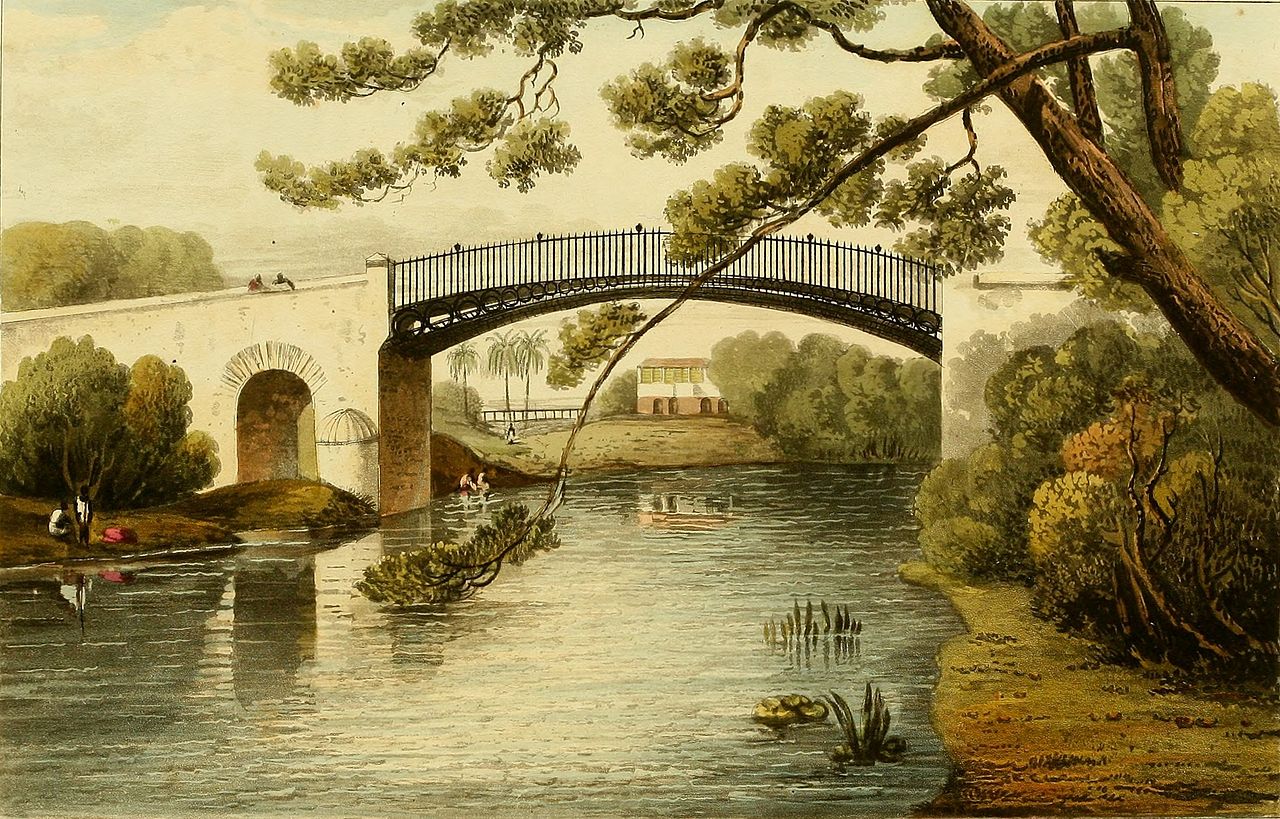


Characteristics and layout
The town retains a compact plan shaped by its colonial origins. Public squares, an old street grid and several surviving institutional buildings mark the centre. Architectural influences include Spanish colonial remnants and British Georgian and Victorian public architecture, though many structures show later modifications. Important civic functions — such as parish administration and archives — remain concentrated in the historic core.
History and development
Founded by Spanish settlers in the 16th century and known historically by names reflecting that period, the settlement developed further under British control. For several centuries it was the political and judicial heart of the island, hosting official residences, courts and administrative offices. After the capital functions were relocated in the 19th century, Spanish Town continued as a regional centre and retains many monuments and records that document Jamaica's colonial past.
Notable sites and heritage
Spanish Town has a concentration of historic and commemorative sites. Visitors and researchers find:
- Colonial-era churches, including one of the island's oldest Anglican places of worship outside England;
- Monuments and memorials commemorating local and national figures and events;
- The national archives and other repositories holding documents relevant to Jamaican history;
- Public buildings such as old courthouses and administrative structures that illustrate the town's former status as a capital.
Economy, culture and community
The local economy blends public services, small-scale commerce, markets and surrounding agricultural activities. Cultural life reflects both local parish traditions and wider Jamaican practices: community events, religious observances and public commemorations contribute to civic identity. The town's historic character also attracts scholars and visitors interested in architecture and colonial history.
Preservation and significance
Spanish Town's heritage assets are valued for their historical and educational importance, but they face common challenges such as maintenance needs and pressures from development. Conservation efforts, where organized, aim to stabilise and restore key buildings, preserve archival collections, and integrate heritage into local planning. The town remains significant for understanding Jamaica's transition from a colonial capital to its modern political geography.
Further reading: Local guides, archival catalogues and heritage reports provide more detailed information on specific buildings, dates and restoration projects. For a general introduction see the town's official or visitor pages linked above.
Related articles
Author
AlegsaOnline.com Spanish Town, Jamaica Leandro Alegsa
URL: https://en.alegsaonline.com/art/92490