
Southwestern Oklahoma
Regional overview of southwestern Oklahoma: landscape, climate, history, economy, and notable natural and cultural features of this Great Plains area.
Southwestern Oklahoma denotes the southwestern portion of the U.S. state of Oklahoma. The region sits within the broader Great Plains and is characterized by expansive plains, rolling grasslands, and isolated hill ranges. Landscape and land use vary from largely agricultural tracts and ranches to pockets of protected natural area and military lands.
Image gallery
5 Images


Geography and environment
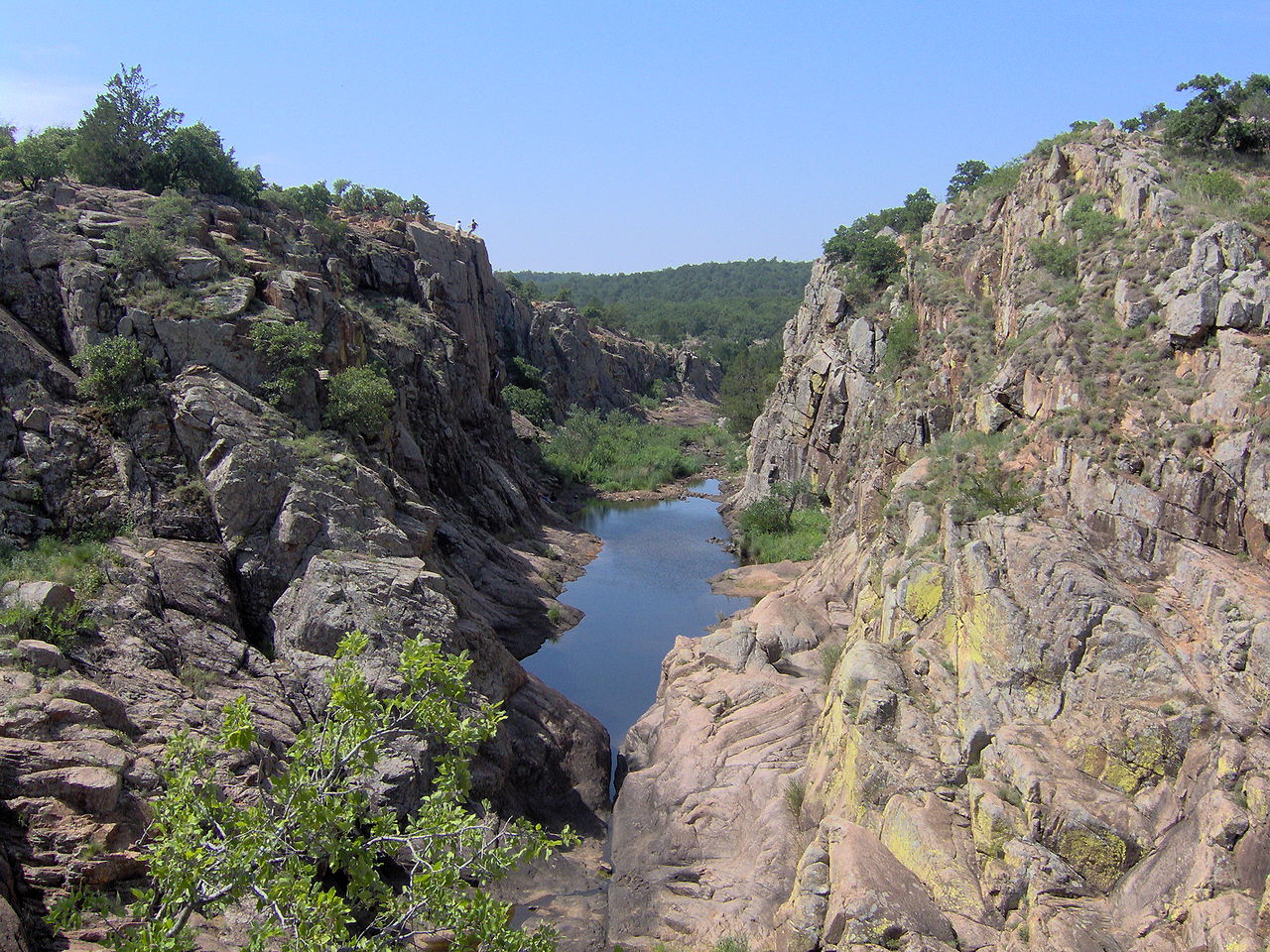
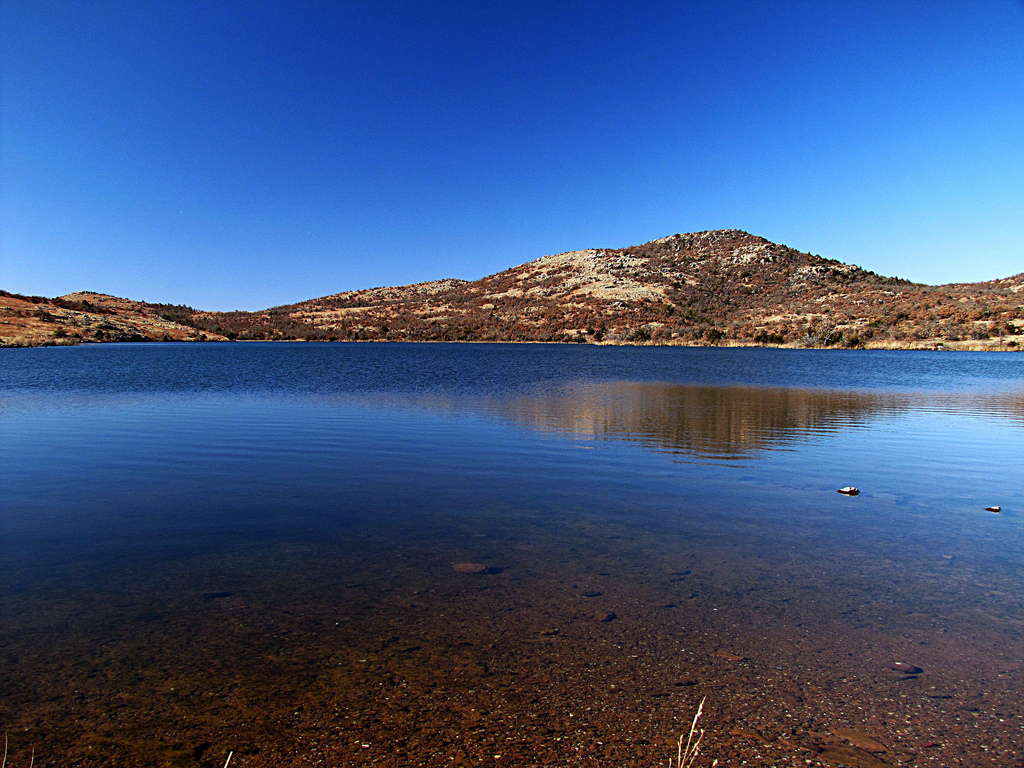
Terrain in southwestern Oklahoma is mostly flat to gently undulating, with occasional granite outcrops and low mountains such as the Wichita range. Soils and rainfall patterns create a semi-arid to temperate environment that supports mixed-grass prairie, cropland, and pasture. Streams and intermittent rivers cross the plains, feeding reservoirs and supporting irrigation in some valleys.
Climate and ecology
The climate tends to be continental: hot summers, cool winters, and variability in precipitation that can include drought. Native vegetation historically was prairie and shortgrass steppe, now altered by farming and grazing. The area was affected by the Dust Bowl era in the 1930s, an event that influenced land management and conservation policies for decades afterward.
History and settlement
Long inhabited by Native American peoples, the region later experienced waves of settlement and changes in land ownership associated with 19th- and early 20th-century federal policies. Military installations and transportation routes shaped some urban centers. These historical layers are visible in place names, local institutions, and preserved sites.
Economy, uses, and recreation
Agriculture—especially cattle ranching and grain production—remains important, supplemented by energy production, military presence, and service industries in regional towns. Outdoor recreation such as hunting, fishing, and hiking is popular where public lands and wildlife refuges provide access. Notable destinations include local wildlife areas and ranges of granite hills that offer scenic and ecological value.
Notable towns and distinctions
- Regional centers and towns serve as hubs for commerce, education, and healthcare.
- Protected areas conserve prairie remnants and native wildlife, providing contrasts to cultivated land.
- The region is a transitional zone between true prairie and more arid western plains, giving it distinctive ecology and land-use challenges.
Related articles
Author
AlegsaOnline.com Southwestern Oklahoma Leandro Alegsa
URL: https://en.alegsaonline.com/art/92353