
Barton Fink (1991 film)
A 1991 drama by the Coen brothers starring John Turturro. Set in 1941 Los Angeles, it examines a playwright's creative crisis, mixing satire, surrealism and noir. Critically acclaimed and a Cannes Palme d'Or winner.
Barton Fink is a 1991 film written and directed by Joel and Ethan Coen. Starring John Turturro in the title role, the movie follows an idealistic New York playwright who moves to Los Angeles to write a Hollywood screenplay. While it can be described as a period drama, the film is equally a dark comedy and psychological portrait that interrogates creativity, commerce and the anxieties of an artist in the studio system.
Image gallery
10 Images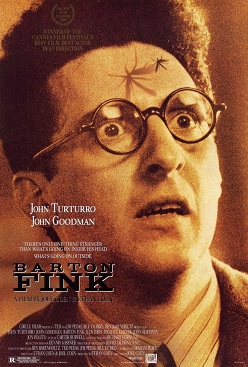




Overview and setting
The story takes place in 1941 and uses detailed period production design to evoke wartime America and Golden Age Hollywood. Barton arrives at a rundown hotel and quickly encounters a range of characters — from studio executives to an affable insurance salesman — that prompt both social satire and increasingly unsettling events. The film resists straightforward categorization, moving between realistic dialogue and moments of uncanny, symbolic imagery.
Key elements and cast
- Lead performance: John Turturro plays the conflicted playwright whose idealism clashes with commercial demands.
- Supporting cast: Strong supporting roles and scene-stealing turns complement the central performance.
- Direction and design: The Coen brothers use tight interiors, shadowed corridors and period sets to create a claustrophobic atmosphere.
The film's combination of stage-play origins, studio-era satire and psychological tension gives it a distinctive tone. Viewers can trace recurring motifs related to authorship, violence and the burdens of expectation. Critics and scholars frequently discuss the film's symbolic ambiguity rather than offering a single definitive reading.
Reception, awards and legacy
Upon release the movie earned strong critical praise for its writing, performances and visual style, even as it was not a major box-office hit. It received significant recognition at international festivals, including major awards at Cannes, and has since been studied as one of the Coen brothers' most provocative early works. Contemporary appraisals emphasize its sharp satire of studio culture and its willingness to blend genre elements.
For further information about production details, cast lists and critical essays see detailed credits and notes, contemporary reviews at archival coverage, interviews with the filmmakers at filmmaker resources, and festival histories at festival records.
Tags
Related articles
Author
AlegsaOnline.com Barton Fink (1991 film) Leandro Alegsa
URL: https://en.alegsaonline.com/art/9163