
Bartender: role, skills, history and legal responsibilities
Overview of bartenders: duties, skills, historical development, workplace practices, and legal responsibilities including age verification and refusal of service in some countries.
A bartender is a person who prepares and serves alcoholic and non‑alcoholic drinks from behind a bar in a public or private establishment. The title covers a wide range of roles and styles—from classic cocktail specialists to server‑focused staff in busy pubs. Bartenders commonly handle drink preparation, customer service, cash or electronic transactions, and day‑to‑day housekeeping of the bar area.
Image gallery
10 Images


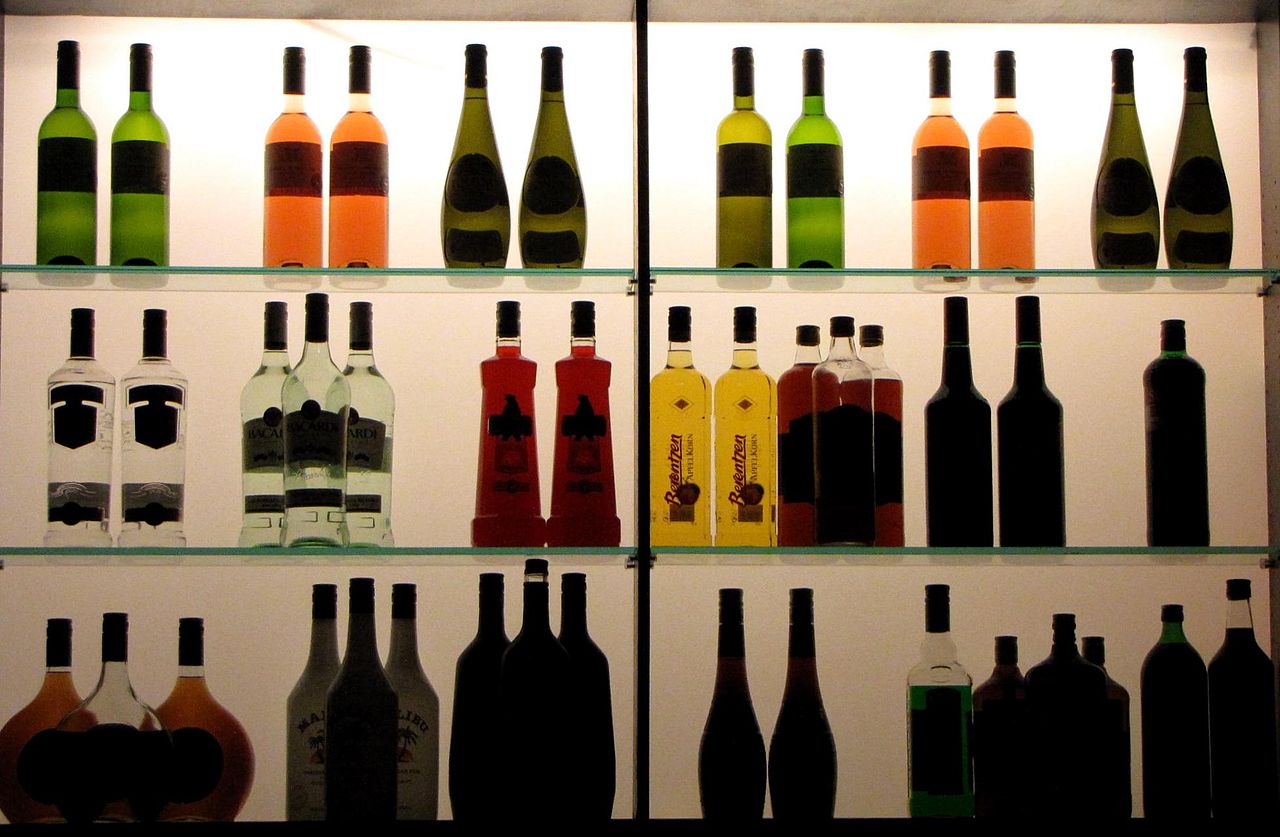


Typical duties and workplace tasks
- Mixing and garnishing beverages, following standard recipes or creating original cocktails.
- Verifying customers’ legal drinking age and checking identification when required.
- Monitoring patrons for signs of intoxication and, where mandated or prudent, refusing further service.
- Managing inventory of spirits, mixers, glassware and bar supplies and conducting basic stock counts.
- Operating point‑of‑sale systems, processing payments and maintaining receipts and tabs.
- Maintaining cleanliness and sanitation of work surfaces, glassware and tools to meet health codes.
Skills and knowledge
Effective bartenders combine technical beverage knowledge with customer service skills. A working knowledge of spirits, liqueurs, beer and wine is central, along with an understanding of classic cocktails and proportions. Practical skills include speed and accuracy in pouring, shaking and stirring; appropriate glass selection and garnishing; and safe handling of broken glass or spills. Communication, conflict management and the ability to multitask in noisy environments are important for maintaining a safe, welcoming bar.
History and professional trends
The role of the bartender has evolved from tavern keepers in earlier centuries to trained hospitality professionals. Over the 20th and 21st centuries the craft of cocktail making experienced revivals, leading to emergent specializations such as craft cocktail bartenders, cocktail consultants and competitive flair bartenders. The modern term mixologist is often used to signal an emphasis on recipe development, ingredient sourcing and a deeper study of cocktail history.
Regulation, safety and international practices
Bartenders commonly operate under licensed conditions and must comply with local laws governing alcohol service. They are expected to confirm age eligibility before serving alcohol—especially in regulated premises such as a licensed establishment. In several countries, including Canada, the United Kingdom and Sweden, servers can be legally required to refuse service to visibly intoxicated customers. Rules and enforcement vary by jurisdiction, and many venues provide in‑house training to help staff make safe service decisions.
Career paths and variations
Bartending can be an entry point into hospitality or a long‑term profession. Training ranges from on‑the‑job mentoring to certified courses in beverage management, responsible service and mixology. Employment settings include neighborhood bars, high‑end cocktail lounges, restaurants, hotels, event catering and cruise ships. Career advancement may lead to roles such as bar manager, beverage director, consultant or entrepreneur.
Related articles
Author
AlegsaOnline.com Bartender: role, skills, history and legal responsibilities Leandro Alegsa
URL: https://en.alegsaonline.com/art/9141
Sources
- olgr.nsw.gov.au : "OLGR > Information and training for students and staff >"