
Bartolomé de Las Casas (1484–1566)
Spanish Dominican friar, bishop and early advocate for Indigenous rights in the Americas; author of accounts condemning colonial abuses and an influential, controversial figure in debates about empire and law.
Overview
Bartolomé de Las Casas (1484–1566) was a Spanish Dominican friar, priest and later Bishop of Chiapas whose writings and advocacy made him one of the most prominent early critics of European colonial treatment of Indigenous peoples in the Americas. Initially involved in colonial enterprises, he became a persistent campaigner for legal reforms, humane treatment and the recognition of Indigenous humanity within the Spanish imperial system.
Image gallery
10 Images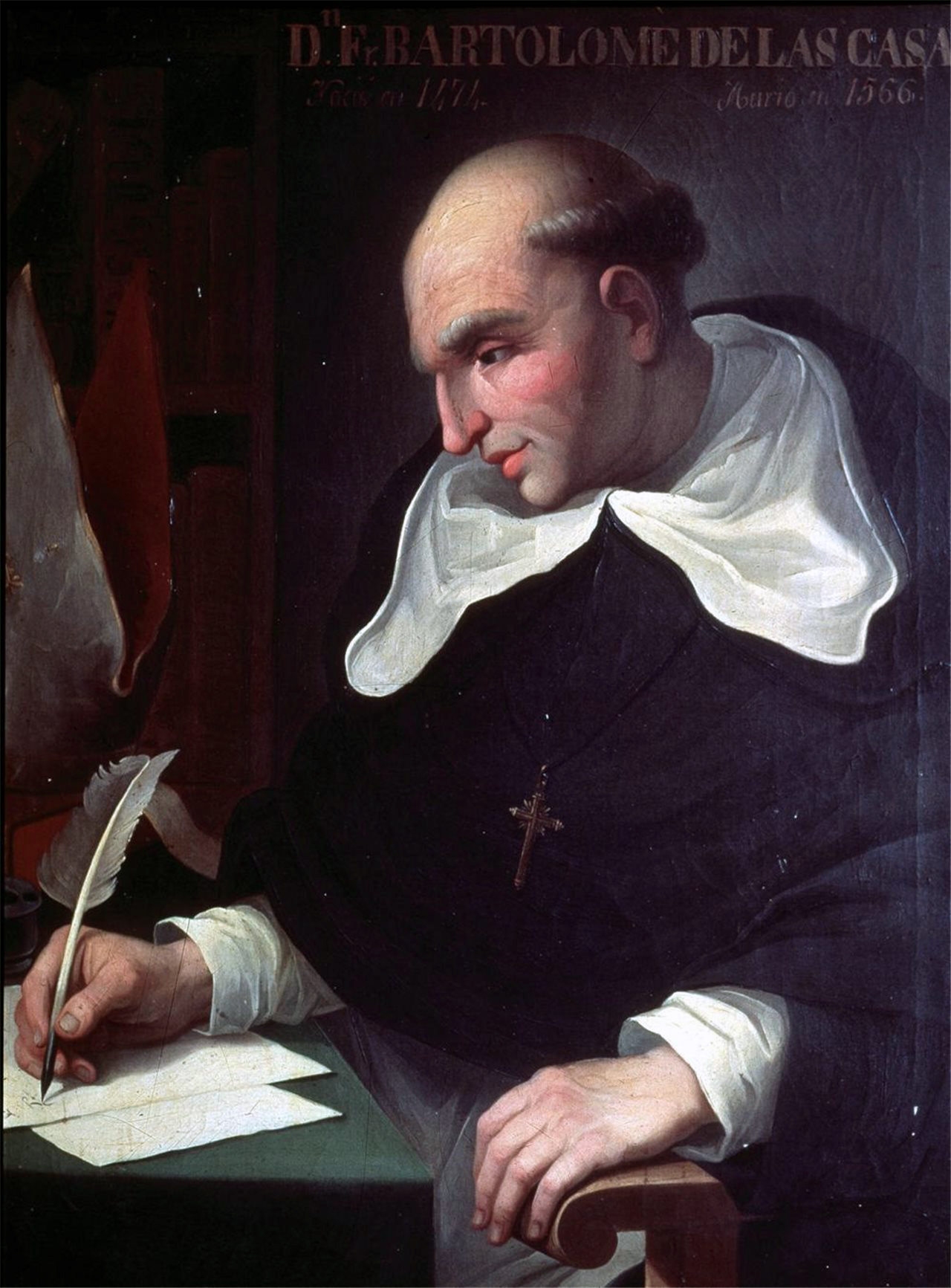


Life and transformation
Born in Spain, Las Casas traveled to the Caribbean in the early decades after 1492. He originally held an encomienda and benefited from the colonial economy, but after witnessing violence against Indigenous communities he underwent a dramatic change of conscience. He entered the Dominican order and devoted his life to defending Indigenous rights, arguing in sermons, petitions and legal forums that forced labor, massacre and other abuses were morally unacceptable and incompatible with Christian teaching.
Advocacy, law and debate
Las Casas pressed Spanish authorities to reform colonial practice. His testimony and lobbying contributed to reforms such as the New Laws of the 1540s, which sought to limit or abolish certain forms of Indigenous servitude. He also participated indirectly in intellectual debates of the period, most famously associated with the Valladolid discussions, where interlocutors disputed the moral and legal status of Indigenous peoples and the legitimacy of conquest.
Major writings
Las Casas wrote extensively. His best known work, often referred to in English as A Short Account of the Destruction of the Indies, gave vivid denunciations of atrocities committed in the early colonial period. He also composed a longer chronicle, commonly called History of the Indies, and a range of letters, legal briefs and theological treatises aimed at persuading both ecclesiastical and royal authorities.
Legacy and controversies
Las Casas is widely credited with shaping early debates about human rights, international law and colonial responsibility. Later historians and commentators have variously celebrated him as a pioneer of humanitarian thought and criticized him for rhetorical excesses or for positions that changed over time. His accounts helped form part of the so-called "Black Legend," a polemical strand that emphasized Spanish cruelty; at the same time, his moral arguments influenced future legal protections and the vocabulary of rights.
Further reading and notable facts
- Early life and travels
- Dominican order and priesthood
- Major writings and letters
- A Short Account of the Destruction of the Indies
- Bishopric and ecclesiastical role
- Chiapas and provincial activity
- Broader impact in Mexico and the Spanish world
His life remains a touchstone for discussions about conscience, empire and legal protection for colonized peoples. For a fuller understanding, consult primary texts and modern scholarly treatments that place his arguments in the complex political and intellectual context of 16th-century Spain.
Questions and answers
Q: Who was Bartolomé de Las Casas?
A: Bartolomé de Las Casas was a 16th-century Spanish priest and writer who was known as the Apostle of the Indies.
Q: What was Bartolomé de Las Casas' role in the Church?
A: Bartolomé de Las Casas was the first Bishop of Chiapas, Mexico.
Q: What did Bartolomé de Las Casas condemn?
A: Bartolomé de Las Casas condemned the treatment of Indians in the Spanish empire.
Q: How did Bartolomé de Las Casas contribute to establishing the Black Legend of Spanish cruelty?
A: Bartolomé de Las Casas' widely disseminated 'History of the Indies' helped to establish the Black Legend of Spanish cruelty.
Q: What is the Black Legend of Spanish cruelty?
A: The Black Legend of Spanish cruelty is a historical interpretation that portrays Spanish people as excessively cruel, especially towards their colonies.
Q: Why was Bartolomé de Las Casas referred to as the Apostle of the Indies?
A: Bartolomé de Las Casas was referred to as the Apostle of the Indies because of his zeal for spreading the Gospel in the Americas.
Q: When did Bartolomé de Las Casas live and when did he die?
A: Bartolomé de Las Casas lived from 1484–1566.
Related articles
Author
AlegsaOnline.com Bartolomé de Las Casas (1484–1566) Leandro Alegsa
URL: https://en.alegsaonline.com/art/9157