
Slick, Oklahoma
Slick is a small incorporated town in Creek County, Oklahoma, United States, with roots in the early oil industry and a present-day identity as a quiet rural community.
Overview
Slick is an incorporated town in Oklahoma, located in Creek County in the north‑central part of the state of the United States. It is one of many small municipalities that formed in rural Oklahoma and today is characterized by a low population, modest residential development, and a landscape shaped by agriculture and energy activity.
Image gallery
1 Image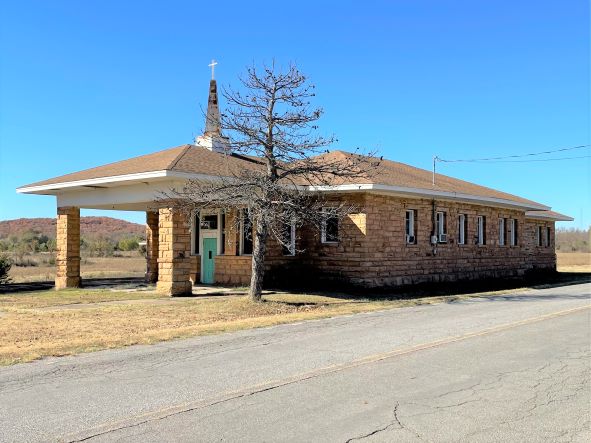
Characteristics
Slick is small in area and scale compared with nearby cities. The town typically features a limited municipal government, a few local roads connecting residents to regional highways, and properties that are a mix of homes, former industrial sites, and open land. Public services such as schools, health care, and shopping are often obtained in larger neighboring towns.
History and origin
The town arose in the early 20th century during the period when oil exploration and production were rapidly expanding across Oklahoma. Like several communities in the region, Slick's name and early growth are associated with petroleum activity and the infrastructure that supported oil workers and their families. Over time the intensity of local production has fluctuated with broader economic cycles in the energy sector.
Economy and community life
Historically tied to the oil industry, the local economy now blends residual energy activity with agriculture and commuter households. Residents often work outside the town in regional centers while maintaining a rural lifestyle. Civic life in Slick centers on town meetings, volunteer organizations, and informal networks rather than large institutional amenities.
Notable facts and context
- Small, low‑density community with historical ties to early Oklahoma oil development.
- Typical of many towns in Creek County that shifted from boom-era growth to stable, small‑town populations.
- Relies on nearby cities for many public services and employment opportunities.
Slick illustrates a common pattern in the American Plains and Midwestern states: a settlement formed around a natural resource that later adapted to a quieter, rural role while retaining elements of its industrial past.
Related articles
Author
AlegsaOnline.com Slick, Oklahoma Leandro Alegsa
URL: https://en.alegsaonline.com/art/91101