
Skyfall (2012 film)
Skyfall is the 2012 James Bond film directed by Sam Mendes and starring Daniel Craig. Celebrating the franchise's 50th anniversary, it was praised for performances, cinematography, music and its worldwide box-office success.
Skyfall is a 2012 spy film produced by Eon Productions and the twenty-third official entry in the long-running James Bond series. Directed by Sam Mendes and starring Daniel Craig as Agent 007, the picture balances large-scale action with a more personal, character-driven story. The cast includes Javier Bardem as the antagonist Raoul Silva and Judi Dench as M; the film also marked the return of Ben Whishaw as Q and Naomie Harris as Miss Moneypenny in the modern continuity. Its title song, "Skyfall", was written and performed by Adele.
Image gallery
10 Images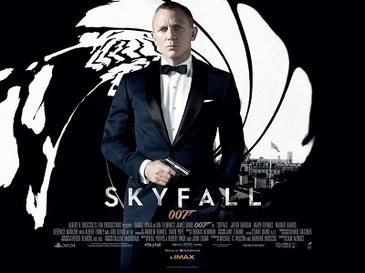


Overview and premise
The narrative opens with Bond believed dead after an overseas operation. When MI6 is later attacked, Bond returns to service to investigate the strike and to defend the agency. The principal antagonist, Silva, is a former intelligence operative who mounts a personal vendetta against M; his actions force Bond and the service to confront questions of loyalty, accountability and adaptation in a changing intelligence landscape. The script, developed by a team of writers led in the final phase by John Logan together with Neal Purvis and Robert Wade, interweaves espionage set pieces with moments of introspection and legacy for the central characters.
Cast and characters
- Daniel Craig as James Bond, a field agent confronting both physical threats and the emotional cost of service.
- Javier Bardem as Raoul Silva, a technically skilled and psychologically complex antagonist.
- Judi Dench as M, the head of MI6 whose past decisions are central to the conflict.
- Ben Whishaw as Q, the franchise's technical specialist, reintroduced in the contemporary series.
- Naomie Harris as Eve Moneypenny, a modern reimagining of the classic supporting role.
- Additional principal performances include actors in supporting roles who contribute to the film's emotional and tactical beats, and a small number of new characters connected to Silva's plot.
Development and production
Development began in the years after Quantum of Solace, but production was delayed when Metro-Goldwyn-Mayer faced financial difficulties. Screenwriter changes and a pause in financing affected the early phase; once studio issues were resolved the project resumed and principal photography commenced in late 2011. Filming took place primarily in the United Kingdom, with location sequences shot in China and Turkey and important scenes set in the Scottish Highlands. The production emphasized practical stunts and location photography, and sought a distinctive visual tone through the cinematography of Roger Deakins and a musical score by Thomas Newman.
Cinematography, music and technical elements
The film's aesthetic was noted for its moody lighting, carefully composed frames and a restrained color palette that supported the story's themes. Roger Deakins's photography was singled out by critics, and Thomas Newman's score complemented both traditional Bond motifs and more atmospheric passages. The theme song "Skyfall" by Adele received widespread attention and commercial success. Technical work extended to sound design, practical stunt choreography and production design that blended modern offices and technology with older, established Bond locales.
Release and box office
Skyfall premiered at the Royal Albert Hall in London on 23 October 2012 before opening in the United Kingdom and North America in late October and early November 2012. It was the first Bond film to be shown in IMAX venues, even though the production did not shoot using IMAX cameras. The movie achieved exceptional commercial success: it became the first film in the Bond franchise to pass the billion-dollar threshold worldwide and was among the top-grossing releases of its year. Its performance reaffirmed the global reach of the series and contributed to renewed investment in subsequent installments.
Critical reception and accolades
Critics generally praised the film for its performances—particularly those of Craig, Bardem and Dench—its direction, the cinematography and the integration of character-focused drama with action sequences. The movie received multiple awards and nominations across international ceremonies, including two Academy Awards and several honours from national and industry organizations such as the BAFTAs and Grammys. Reviewers and industry commentators noted that the film both honored classic elements of the Bond formula and pushed the series toward a more emotionally resonant direction.
Legacy
Released during the fiftieth anniversary year of the cinematic Bond series that began with Dr. No, the film is often cited as a pivotal entry that influenced the tone and ambitions of later instalments. It reestablished familiar supporting roles for a contemporary audience and affected creative decisions for the next film, Spectre, which reunited some of the principal cast and creative team. The commercial and critical success of the film reinforced the franchise's viability as a long-term global property and shaped discussions about character depth and franchise renewal within mainstream action cinema.
For readers seeking comprehensive credits, production notes and contemporary interviews with cast and crew, consult official studio releases and film industry archives. Additional background on the Bond franchise and related titles can provide context for the evolution of style, recurring characters and the series' approach to blending espionage, spectacle and personal drama. The film continues to be a frequent subject of retrospectives that examine how long-running film series adapt to changing audience expectations while maintaining recognizable genre conventions.
See also the entries on the film itself (Skyfall), the broader series (James Bond), earlier films such as Dr. No and prior modern entries like Quantum of Solace, and the subsequent sequel Spectre for further reading and comparison.
Related articles
Author
AlegsaOnline.com Skyfall (2012 film) Leandro Alegsa
URL: https://en.alegsaonline.com/art/91001
Sources
- bbfc.co.uk : "Skyfall"