
Barras, Alpes-de-Haute-Provence
Barras is a small rural commune in the Alpes-de-Haute-Provence department of Provence-Alpes-Côte d'Azur in southeastern France, known for its mountain scenery, traditional architecture and quiet countryside.
Barras is a commune in the French administrative system located in the Alpes-de-Haute-Provence area, within the region of Provence-Alpes-Côte d'Azur. It lies in southeastern France and is administered as part of the departmental structure common to rural French territories; more detailed administrative information appears on the relevant department pages.
Image gallery
4 Images

Geography and environment
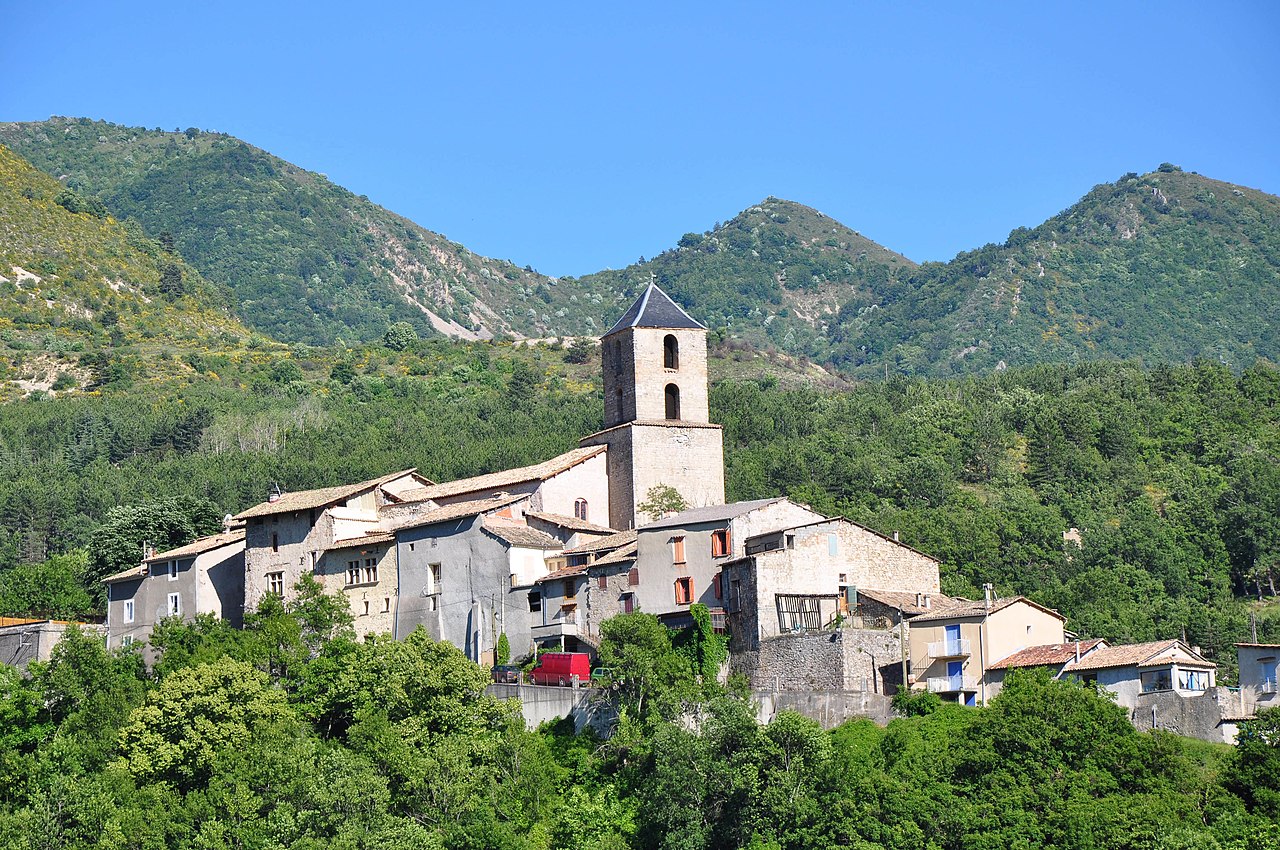
Barras occupies a landscape typical of the inner Alpine foothills: a mixture of ridges, small valleys and cultivated terraces. The environment shows influences of both Mediterranean and alpine climates, with vegetation that may include scrub, mixed woodlands and mountain grassland. The commune is valued for its scenic views, bird life and access to walking paths rather than for intensive agriculture or industry.
History and built heritage
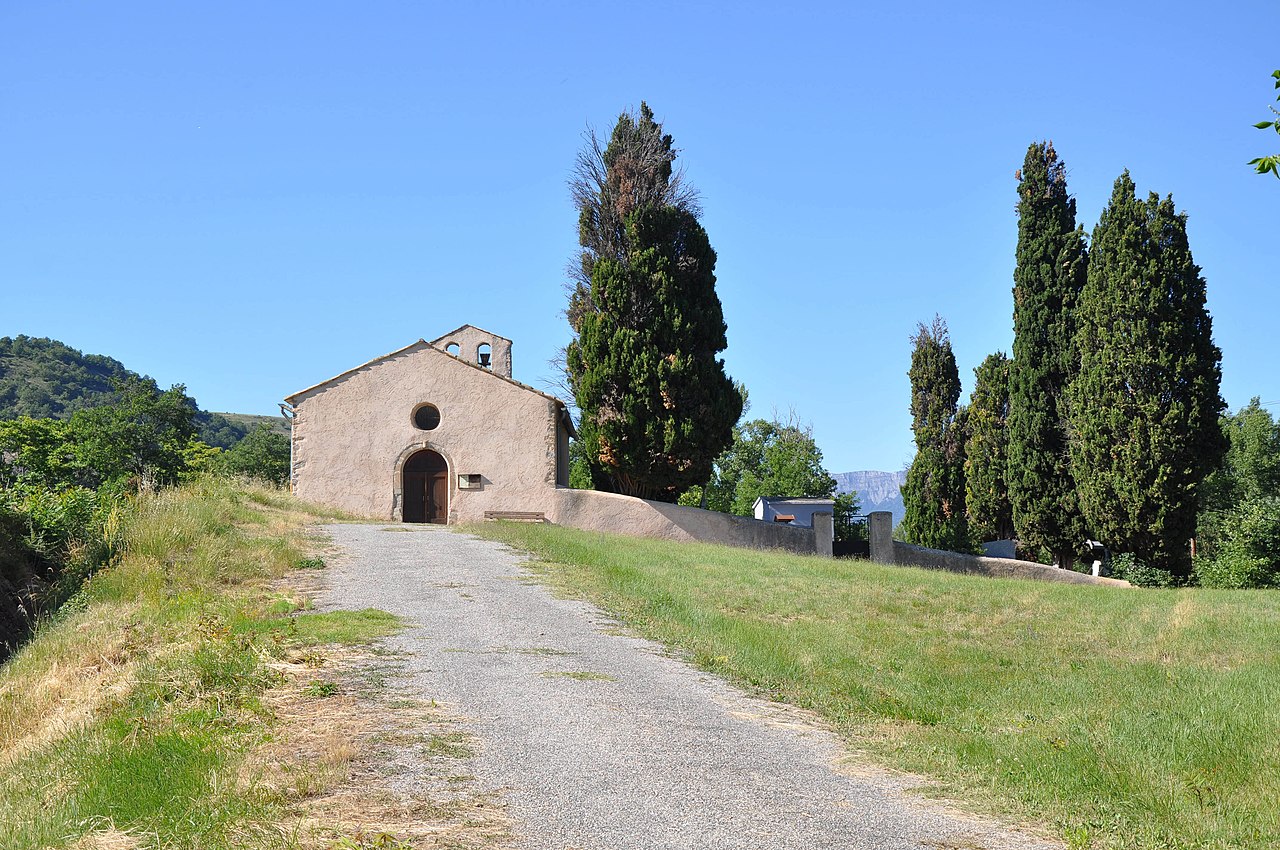
Like many villages in this part of France, Barras has medieval roots reflected in its layout and older stone houses. The local heritage commonly includes a parish church, traditional farm buildings and narrow lanes adapted to hillside settlement. Over centuries the village was shaped by rural life: smallholdings, transhumance and local craft traditions rather than urban development.
Administration and population
Barras is governed by a municipal council and a mayor, as is standard for French communes. It is characterized by a small population, often numbered in the hundreds rather than thousands; demographic trends have been influenced by rural depopulation in the 20th century and by second-home ownership and seasonal visitors more recently.
Economy and everyday life
The local economy is primarily rural and diversified: small-scale farming, pastoral activities (sheep and goats), forestry and craft enterprises coexist with modest tourism services. Residents may commute to larger towns for employment or rely on tourism-related income in summer months. Local products and seasonal markets reflect Provençal regional traditions.
Visiting and notable aspects
Visitors to Barras come for tranquility, countryside walks, photography of traditional stone architecture and views across the Alps' foothills. The commune serves as a base for low-impact outdoor recreation rather than as a major destination with large tourist facilities. Practical information such as access roads, local events and public services is provided by departmental and regional authorities and local municipal notices.
Tags
Related articles
Author
AlegsaOnline.com Barras, Alpes-de-Haute-Provence Leandro Alegsa
URL: https://en.alegsaonline.com/art/9086
Sources
- insee.fr : "Populations légales 2017"
- commons.wikimedia.org : Barras (Alpes-de-Haute-Provence)