
Colmars (Colmars-les-Alpes)
Colmars, often called Colmars‑les‑Alpes, is a small fortified commune in the Alpes‑de‑Haute‑Provence of southeastern France, noted for its medieval ramparts, mountain setting and nearby hamlets Clignon‑Haut and Clignon‑Bas.
Overview
Colmars, also known as Colmars‑les‑Alpes, is a small mountain commune in the French Alps. It lies within the Alpes‑de‑Haute‑Provence area and is administratively a department commune in southeastern France. The settlement is compact and traditionally centered on a historic village surrounded by higher alpine terrain.
Image gallery
4 Images


Geography and setting
The village sits in an upland valley and is framed by steep slopes and forested ridges. Its position gives access to mountain trails, river valleys and seasonal pastures. The surrounding landscape supports mixed alpine flora and typical mountain wildlife, and the locality functions as a gateway to nearby high country used for hiking and outdoor recreation.
History and development
Colmars preserves the imprint of medieval and early modern fortification. Over centuries the community developed as a defensive and agricultural settlement, adapting to changing borders and routes through the Alps. Many of the surviving stone buildings and defensive works reflect gradual repair and conservation rather than a single period of construction.
Sights and built character
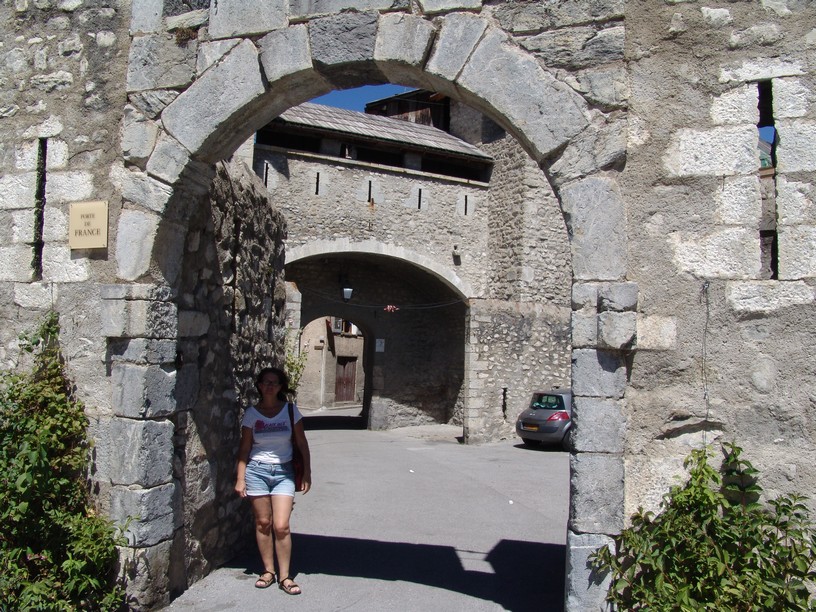
The village is notable for narrow streets, stone houses and remnants of ramparts and fortified structures that shape its silhouette. A modest parish church and traditional village squares form focal points. Local interpretive signs and small museums often explain the site's past; conservation efforts aim to maintain the historic appearance while accommodating visitors.
Hamlets and administration
The commune includes smaller clustered hamlets, notably:
- Clignon‑Haut
- Clignon‑Bas
These outlying settlements reflect traditional alpine rural life and are part of the same municipal administration that manages services and heritage conservation.
Uses, tourism and notable facts
Today Colmars balances daily life for residents with tourism driven by history and outdoor activities. Visitors come for the fortified village atmosphere, nearby walking routes and seasonal mountain pursuits. The commune illustrates how small alpine communities preserve cultural landscapes while adapting to contemporary visitor interest and local needs.
Tags
Related articles
Author
AlegsaOnline.com Colmars (Colmars-les-Alpes) Leandro Alegsa
URL: https://en.alegsaonline.com/art/21672
Sources
- insee.fr : "Populations légales 2017"
- wikidata.org : wikidata.org/wiki/Q457023
- d-nb.info : 7565391-6
- id.loc.gov : n97021125
- viaf.org : 138545929
- worldcat.org : 138545929