
Sivergues — small commune in Vaucluse, Provence-Alpes-Côte d'Azur
Sivergues is a small rural commune in the Vaucluse department of Provence-Alpes-Côte d'Azur in southeastern France, known for its hilltop setting, traditional stone architecture and quiet countryside character.
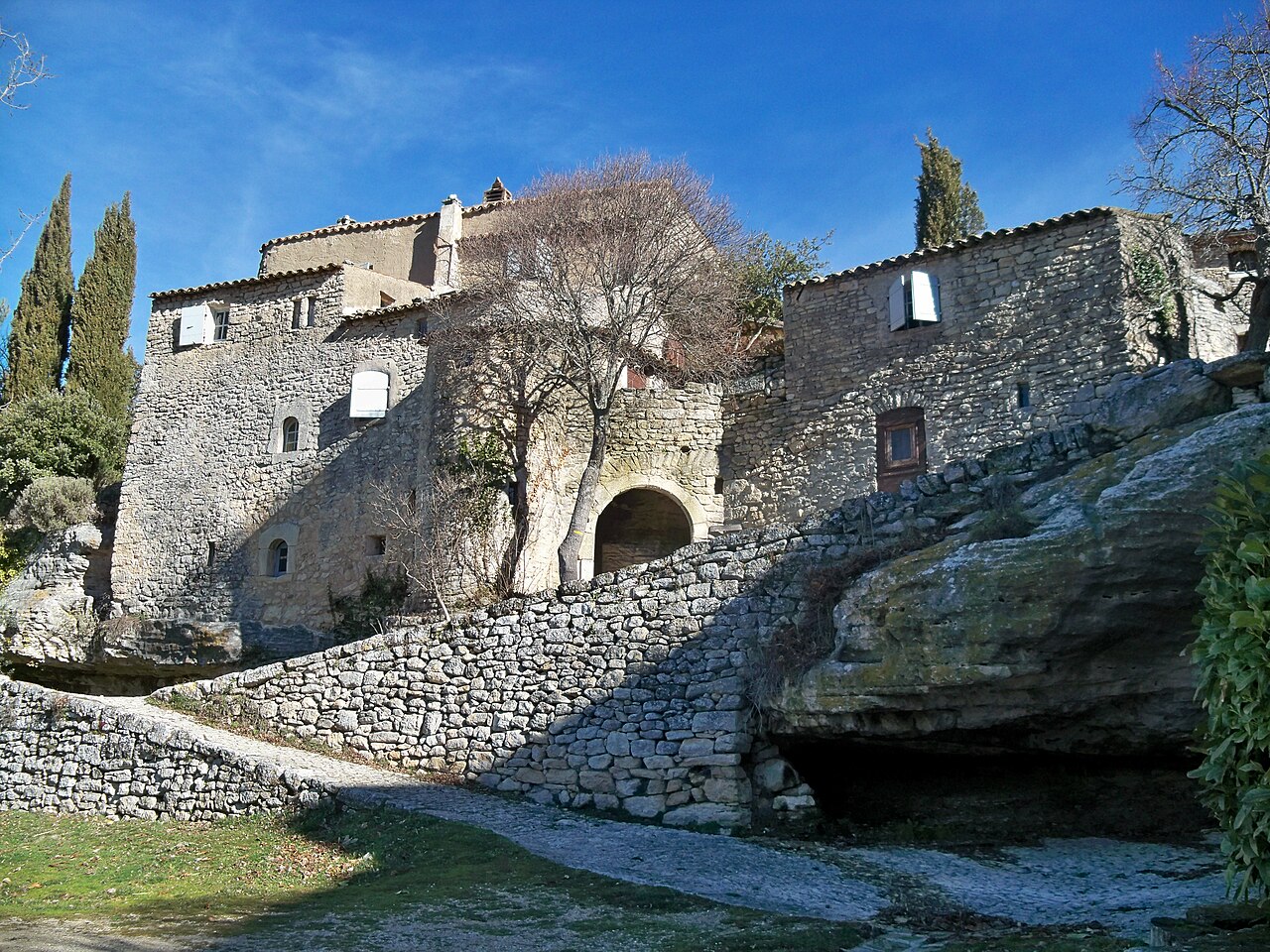
Sivergues is a small rural commune in the Provence-Alpes-Côte d'Azur region, administratively placed in the Vaucluse department in the south of France. It is characterised by a compact cluster of stone houses set on a hill, narrow lanes and panoramic views over the surrounding hills and valleys.
Image gallery
2 Images
Geography and landscape
Sivergues sits in a rural, hilly landscape typical of the Luberon area and its limestone slopes, garrigue shrubland and patches of woodland. The village occupies a defensive, elevated position that historically offered both shelter and visibility. The surrounding countryside is primarily agricultural and pastoral, with small plots, fields and uncultivated scrub.
History and built environment
Like many small Provençal settlements, Sivergues grew from medieval origins as a fortified hamlet. Its built environment includes traditional stone houses, roofs of tile, and traces of historic defensive layouts. Over time the commune has seen periods of decline and renewal; in recent decades there has been attention to restoring old buildings while preserving the village’s rural character.
Economy, culture and recreation
The local economy is predominantly rural: small-scale farming, livestock grazing and activities connected to rural tourism. Sivergues attracts visitors who seek quiet countryside, walking routes and authentic village scenes rather than large-scale services. Cultural life is modest and typically centers on communal gatherings, seasonal events and the preservation of local traditions.
Visiting and notable facts
- Quiet, low-density destination suitable for hikers and photographers.
- Examples of traditional Provençal stone architecture and narrow lanes.
- Located within the broader Luberon area and close to regional natural attractions.
As an example of a small French commune, Sivergues illustrates the rural settlement patterns of southern France: compact historic cores, agricultural surroundings and an emphasis on conservation of landscape and heritage. For administrative details and local updates consult the commune’s official sources and regional guides.
Related articles
Author
AlegsaOnline.com Sivergues — small commune in Vaucluse, Provence-Alpes-Côte d'Azur Leandro Alegsa
URL: https://en.alegsaonline.com/art/90820