
Sirte — Libyan city on the Gulf of Sidra
Sirte is a coastal city in central Libya on the Gulf of Sidra. Known historically as Syrtis, it is the birthplace of Muammar al‑Gaddafi and a focal point of post‑2011 conflict and reconstruction.
Sirte is a city on the southern shore of the Gulf of Sidra in central Libya. Its name derives from the Ancient Greek Σύρτις (Syrtis), a term applied to nearby sandbanks and shoals that made navigation hazardous in antiquity. Today Sirte functions as the administrative centre for the surrounding district and sits roughly midway between Libya's traditional western and eastern population centres, giving it strategic and symbolic importance.
Image gallery
4 Images

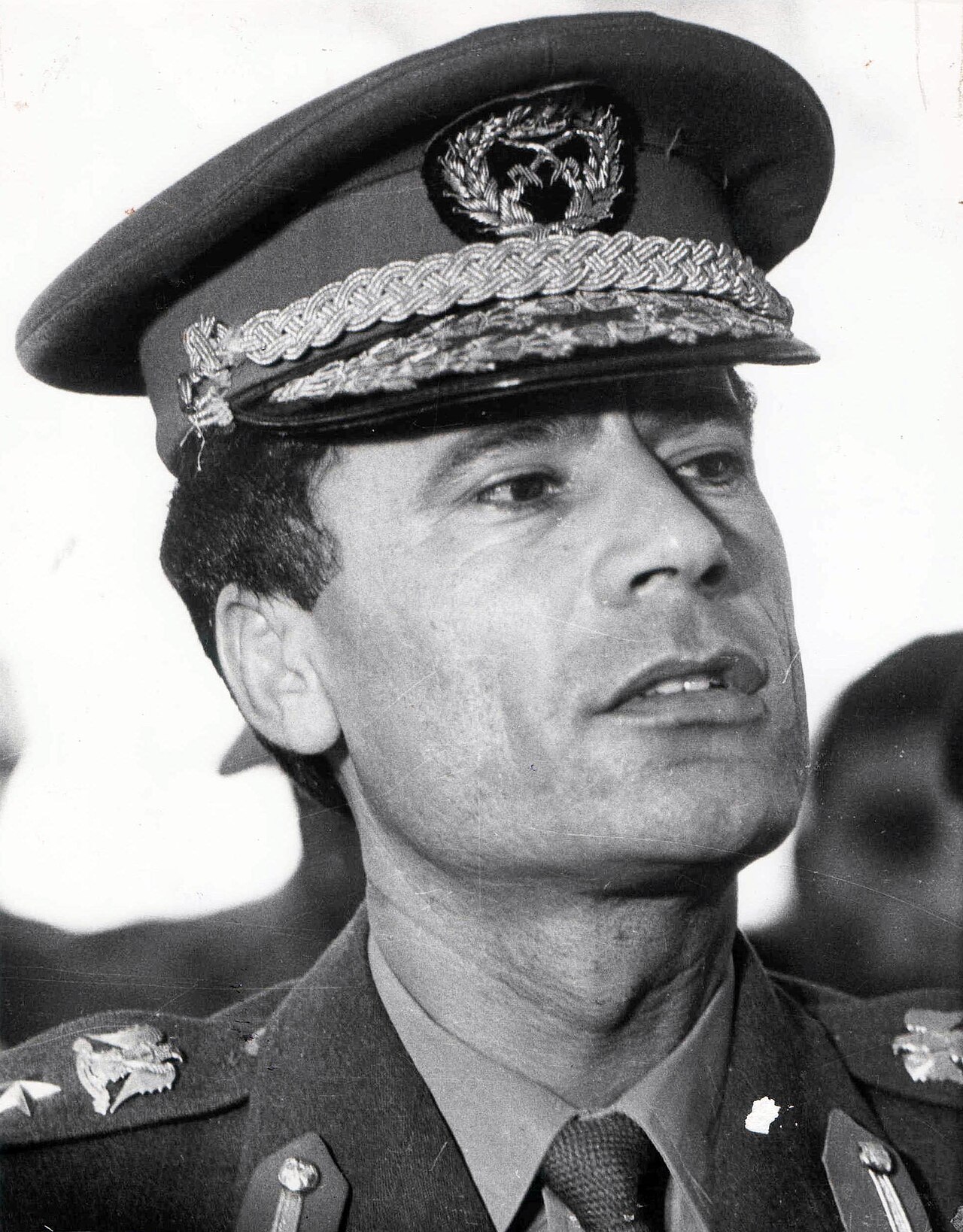

Location, environment and economy
Sirte occupies a coastal plain bounded by arid hinterland. The climate is hot and dry, typical of the North African desert fringe. The local economy has been shaped by fisheries, a small port, and proximity to petroleum infrastructure along the Gulf of Sidra. Transport links include a regional airport and roads that link Sirte with other coastal cities.
Characteristics
- Geography: Coastal position on the Gulf of Sidra, with sandy beaches and nearby desert.
- Climate: Hot desert conditions with mild winters and very hot summers.
- Administration: Serves as a district centre and local market hub.
- Economy: Fishing, services, and access to nearby oil terminals and pipelines influence local activity.
History and development
The place name and the wider gulf were known to ancient mariners and classical geographers as Syrtis, a reputation built on shifting sands and difficult currents. Over centuries the site developed as a small port and settlement through Roman, medieval and Ottoman eras, and later under Italian rule in the 20th century. After Libyan independence, Sirte grew slowly and acquired national prominence in the late 20th century.
Sirte entered modern world attention as the birthplace of Muammar al‑Gaddafi. During Gaddafi's rule the town received investment and infrastructure projects, and it became closely associated with his political legacy. The city was also a theatre of conflict during and after the 2011 uprising against his government: forces opposing Gaddafi captured Sirte, where he was killed on 20 October 2011.
Contemporary events and significance
In the mid‑2010s Sirte was contested amid Libya's post‑revolution unrest. The city was seized by the Islamic State group in 2015 and later liberated by Libyan and internationally supported forces in 2016. Since then Sirte has been part of reconstruction and stabilization efforts, balancing local governance challenges with national reconciliation and the restoration of services.
Notable facts
- Ancient name: Sirte's historical form Syrtis highlights its maritime hazards noted by classical writers.
- Birthplace of a leader: It is widely known as the hometown of Muammar al‑Gaddafi — see Gaddafi for context on his rule and legacy.
- National role: Its central coastal location gives Sirte geopolitical significance in Libyan affairs and reconstruction discussions.
- Local name: The city's Arabic name is recorded as سرت, and it is located within the country of Libya.
Related articles
Author
AlegsaOnline.com Sirte — Libyan city on the Gulf of Sidra Leandro Alegsa
URL: https://en.alegsaonline.com/art/90774
Sources
- archive.is : World Gazetteer