
Muammar al‑Gaddafi
Libyan revolutionary and long‑time ruler who led Libya from 1969 to 2011; a polarizing figure known for his Third International Theory, authoritarian governance, foreign interventions and 2011 downfall.
Muammar al‑Gaddafi (Arabic: مُعَمَّر القَذَّافِي) was a Libyan military officer and political leader who governed Libya from 1969 until his death in 2011. Rising to power in a military coup that ended the monarchy, Gaddafi established a system he called the Jamahiriya — a state of the masses — and remained the country’s dominant figure through shifting official titles and institutions.

Image gallery
10 Images
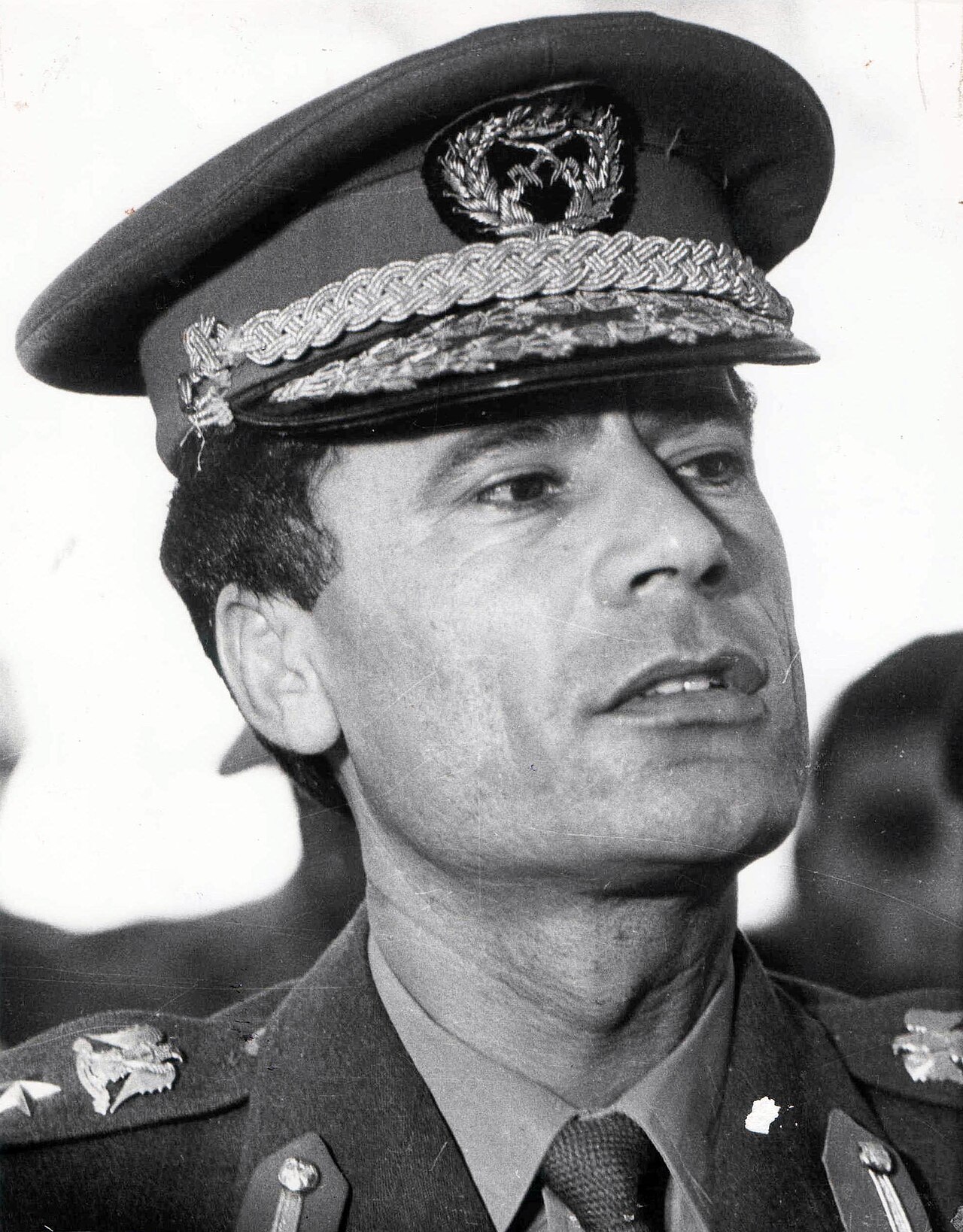


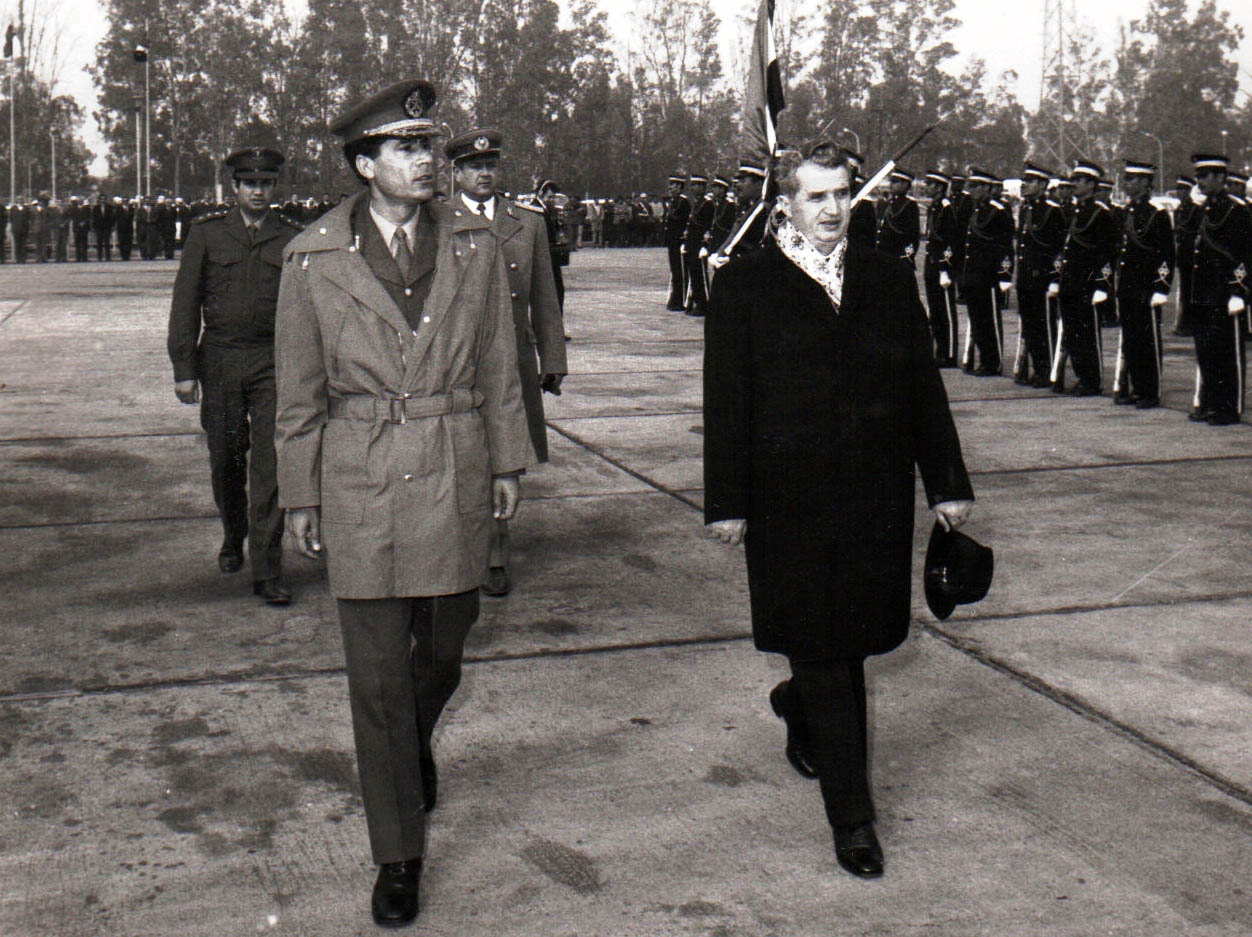
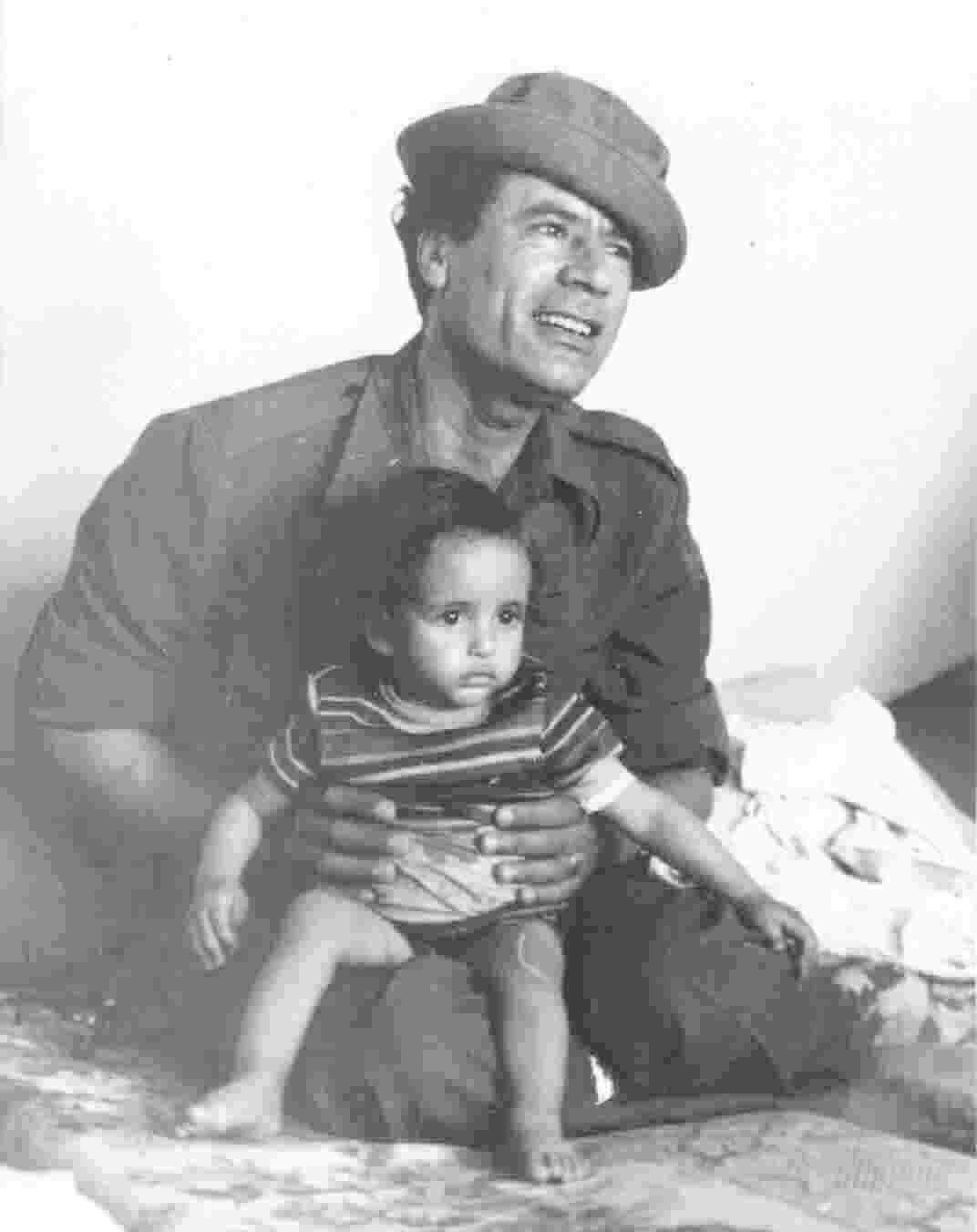
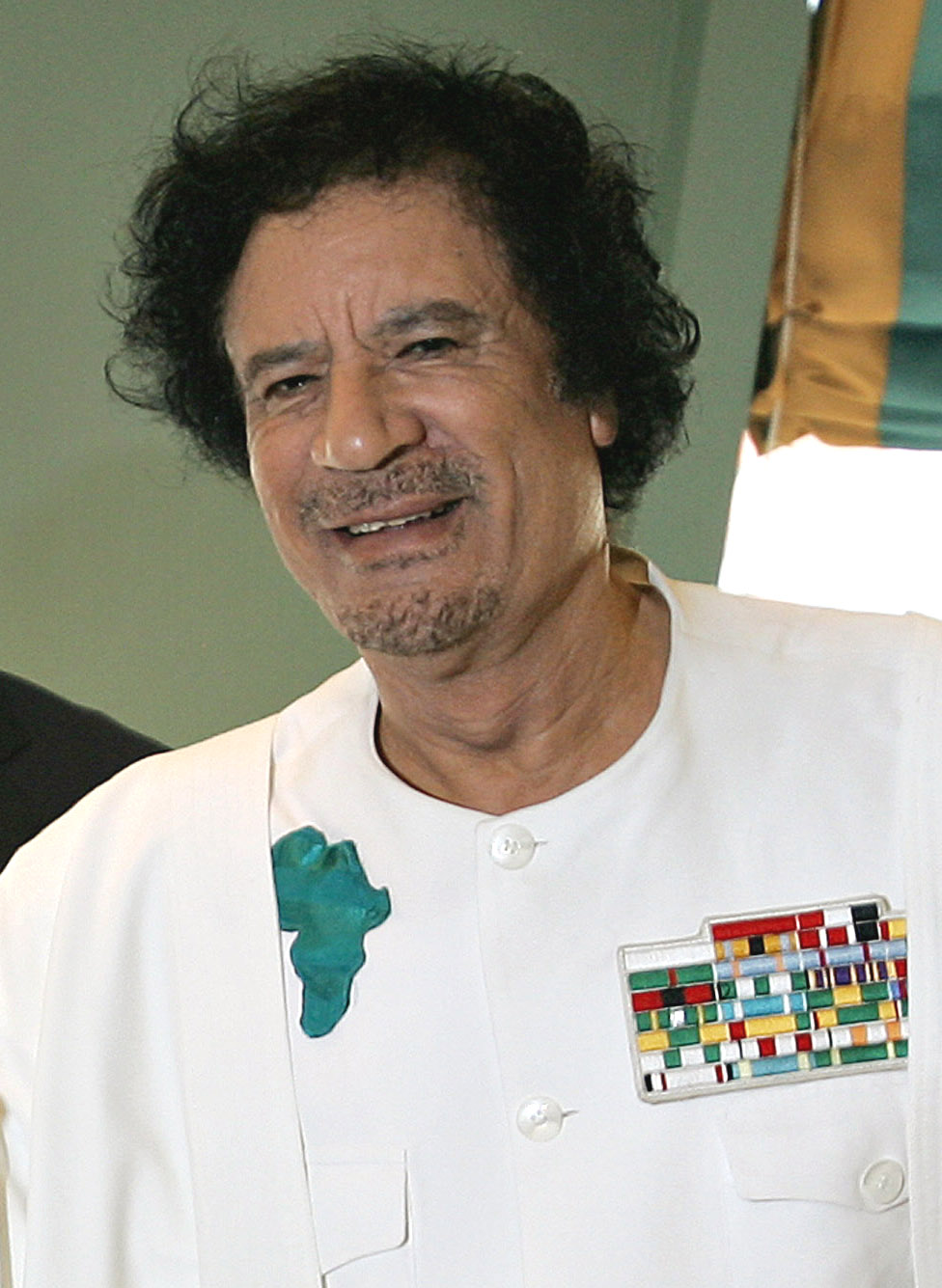
Political career and ideology
Gaddafi began as a young army officer and pan-Arab nationalist who opposed the existing monarchy. Over decades his views evolved into a personal blend of nationalism, Arab and later African unity, anti-imperialism, and a unique political doctrine set out in his Green Book. He presented this as an alternative to both liberal democracy and communism and promoted direct popular governance through councils and committees in principle, while retaining centralized control in practice.
Domestic rule
Domestically, his government used oil revenues to fund development projects, public services and subsidies, which transformed Libya’s infrastructure and economy. At the same time his regime was criticized for political repression, lack of free elections, restrictions on dissent and human rights abuses. Official institutions and legal structures were frequently reshaped to concentrate authority in revolutionary bodies and around Gaddafi himself.
International relations and controversies
Gaddafi pursued an assertive foreign policy: he supported various liberation movements and sought leadership roles in both Arab and African politics. His regime was implicated in international incidents and accused of sponsoring terrorism, prompting sanctions and military confrontations in the 1980s and 1990s. In the early 2000s Libya moved to restore relations with Western states, announcing the abandonment of weapons of mass destruction programs and accepting negotiations to resolve past disputes.
2011 uprising and legacy
During the regional unrest of 2011, widespread protests against his rule escalated into armed conflict. A NATO-led intervention assisted anti-government forces, and Gaddafi was captured and killed in October 2011. His removal ended four decades of personal rule and left Libya facing political fragmentation, ongoing instability and debates over accountability, reconstruction and the future of governance.
Notable facts
- He often styled himself with revolutionary titles rather than formal state offices.
- Policies combined state-led social provision with tight political control.
- His legacy remains deeply contested inside Libya and internationally.
- For further linguistic information see the Arabic entry: Arabic name, and for context on Libya’s modern history see general resources: Libya.
Questions and answers
Q: Who was Muammar al-Gaddafi?
A: Muammar al-Gaddafi was a Libyan politician who ruled Libya from 1969 to 2011.
Q: What was Muammar al-Gaddafi's full name?
A: Muammar al-Gaddafi's full name was Muammar Muhammad Abu Minyar al-Gaddafi.
Q: When was Muammar al-Gaddafi born?
A: The exact date of Muammar al-Gaddafi's birth is unknown, but he was born around 1942.
Q: What was Muammar al-Gaddafi's nickname?
A: Muammar al-Gaddafi's nickname was Colonel Gaddafi.
Q: How many years did Muammar al-Gaddafi rule Libya for?
A: Muammar al-Gaddafi ruled Libya for 42 years, from 1969 to 2011.
Q: When did Muammar al-Gaddafi die?
A: Muammar al-Gaddafi died on October 20, 2011.
Q: What was Muammar al-Gaddafi known for?
A: Muammar al-Gaddafi was known for his controversial leadership style and policies, as well as his involvement in international conflicts.
Author
AlegsaOnline.com Muammar al‑Gaddafi Leandro Alegsa
URL: https://en.alegsaonline.com/art/127277