
Sint-Jans-Molenbeek (Molenbeek-Saint-Jean) — Brussels municipality
Sint-Jans-Molenbeek (Molenbeek-Saint-Jean) is a bilingual municipality in the Brussels-Capital Region, west of central Brussels, known for its industrial past, cultural diversity, and ongoing urban renewal.
Overview
Sint-Jans-Molenbeek (Dutch) or Molenbeek-Saint-Jean (French) is one of the 19 municipalities of the Brussels-Capital Region. It lies immediately west of the City of Brussels and forms part of the wider metropolitan area of Belgium. Administratively it is a bilingual local authority with its own municipal council and mayor; for administrative purposes it is often referred to simply as Molenbeek.
Image gallery
10 Images




Key facts
- Location: west of central Brussels; coordinates about 50°51′N, 4°19′E.
- Population: around 81,600 residents in 2007 (figures change with time).
- Status: a municipality (local authority) within the Brussels region.
History and development
The name Molenbeek means "mill brook", reflecting a historic network of streams and small mills that once powered local industry. During the 19th century the area industrialized rapidly, drawing factories, workshops and working-class housing as Brussels expanded. Later deindustrialization prompted waves of social and urban change, followed by efforts at renewal and redevelopment in the late 20th and early 21st centuries.
Character and landmarks
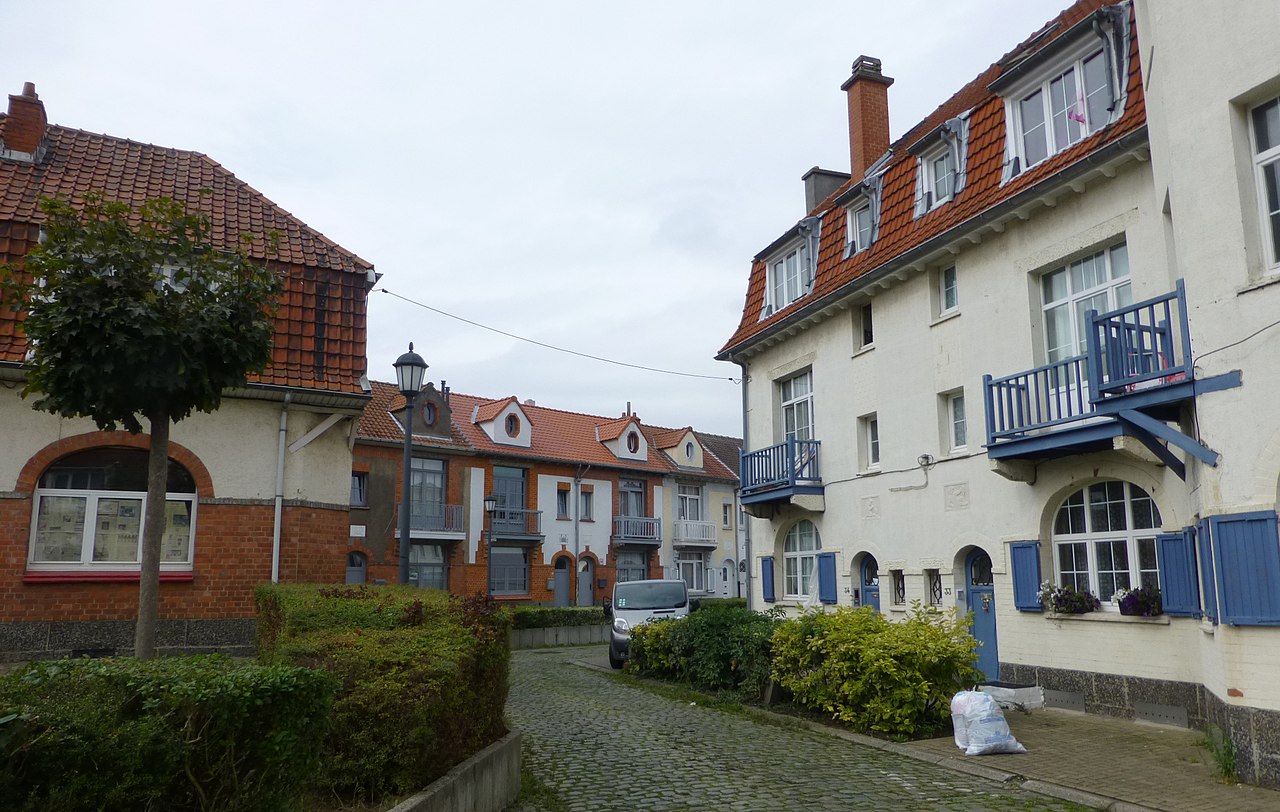
Molenbeek combines dense residential neighbourhoods with former industrial sites, small parks, places of worship and community centres. The built environment includes late 19th-century façades, interwar housing and newer developments. Local markets, associative life and cultural initiatives contribute to a lively street scene.
Transport, society and contemporary issues
The municipality is served by Brussels public transport links including metro and tram connections to the wider region. It is known for a multicultural population, with many residents of immigrant background, which shapes local languages, cuisine and commerce. In recent decades Molenbeek has been the focus of both urban regeneration projects and public debate about social integration and security; it also received international attention in investigations into extremist networks in the 2010s. Authorities and community groups continue to work on housing, employment and social programs as part of long-term renewal.
For administrative or visitor information consult municipal resources via the regional portals: municipal details, national context, and regional services.
Related articles
Author
AlegsaOnline.com Sint-Jans-Molenbeek (Molenbeek-Saint-Jean) — Brussels municipality Leandro Alegsa
URL: https://en.alegsaonline.com/art/90697
Sources
- statbel.fgov.be : Werkelijke bevolking per gemeente op 1 januari 2007 / Population de droit par commune au 1 janvier 2007 (.xls)
- statbel.fgov.be : Geografische coördinaten van de gemeenten (.xls)