
Silvaplana — Swiss mountain municipality and lake
Silvaplana is a mountain municipality in the Engadin valley of Switzerland notable for its lake, wind-driven watersports, and Romansh cultural heritage in the canton of Graubünden.
Silvaplana is a mountain municipality and the name of a small alpine lake in the Upper Engadin region of southeastern Switzerland. The village is known in Romansh as Silvaplauna and forms a compact community that combines traditional alpine culture with outdoor recreation.

Image gallery
8 Images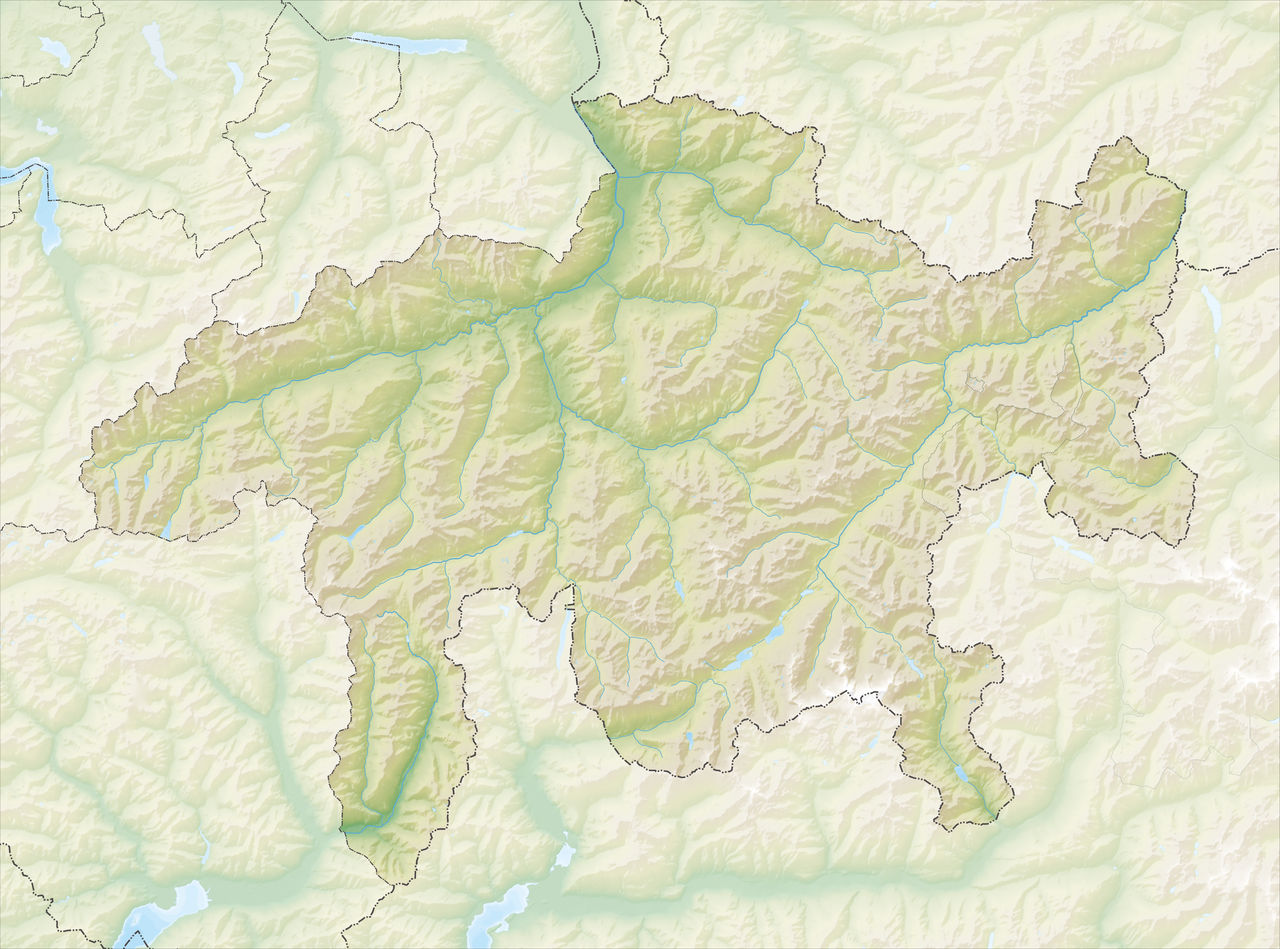


Geography
Silvaplana sits in a high valley environment characterized by short, clear lakes and surrounding peaks. The lake commonly called Lej da Silvaplauna is a local landmark and contributes to the settlement's scenic character. The municipality belongs to the larger administrative area of the Maloja district and lies within the Swiss federal system; it is one of many mountain communities that attract visitors to the Engadin basin.
History and name
The place name preserves Romansh roots and probably reflects the landscape: elements meaning "forest" or "plain" appear in local toponymy. Over centuries Silvaplana evolved from a farming and herding hamlet into a village with tourism services. It is officially a municipality with local governance and communal institutions that manage both modern needs and historical preservation.
Recreation and economy
Outdoor recreation shapes Silvaplana's economy. Strong, predictable winds in the afternoon create favourable conditions for windsurfing and kitesurfing on the lake, and the area is known among alpine wind-sport enthusiasts. Other popular pursuits include hiking, mountain biking in summer and cross-country skiing or snowshoeing in winter. Local businesses cater to visitors while maintaining links to traditional alpine livelihoods.
The community is part of the Swiss canton structure and reflects regional linguistic diversity: it belongs to the canton often referred to in English as Graubünden, known locally by its Romansh name and German variants. For broader government and tourism information see general Swiss resources (Switzerland) and regional pages about Graubünden).
Notable today for its blend of natural beauty, watersports and Engadin cultural identity, Silvaplana offers a compact example of how alpine municipalities balance seasonal tourism, environmental stewardship and the preservation of local language and customs.
Related articles
Author
AlegsaOnline.com Silvaplana — Swiss mountain municipality and lake Leandro Alegsa
URL: https://en.alegsaonline.com/art/90448
Sources
- bfs.admin.ch : "Arealstatistik Standard - Gemeinden nach 4 Hauptbereichen"
- bfs.admin.ch : "Ständige Wohnbevölkerung nach Staatsangehörigkeitskategorie Geschlecht und Gemeinde; Provisorische Jahresergebnisse; 2018"
- commons.wikimedia.org : Silvaplana