
Sillé-le-Guillaume, commune in Sarthe, Pays de la Loire
Sillé-le-Guillaume is a small town and commune in the Sarthe department of Pays de la Loire, western France, noted for its castle, surrounding forest and lakes and for outdoor recreation and local heritage.
Sillé-le-Guillaume is a commune in northwestern France, administered as part of the country's local government system. The town sits within the Sarthe department and the Pays de la Loire region and functions as a modest local centre for surrounding villages and rural areas. For official context see commune and regional information at region level.
Image gallery
1 Image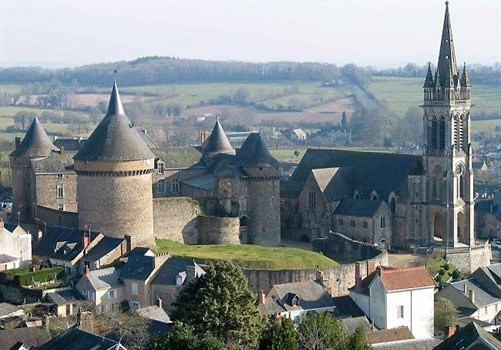
Location and landscape
Located in the western part of the country, Sillé-le-Guillaume lies in a landscape of mixed woodland, pastures and small lakes. The area is dominated by the nearby Sillé forest, a locally important green space that supports walking, cycle paths and informal nature activities. The town's position in the department is noted on many regional guides; it is part of the Pays de la Loire and within the administrative limits of Sarthe.
History and built heritage
The settlement grew around a fortified manor and later a château that has been a visible landmark for centuries. While the core of the town reflects medieval origins, later periods added houses, civic buildings and a market place typical of small French market towns. The local château and church are focal points for visitors interested in regional history and architecture.
Activities and economy
Today the local economy mixes agriculture, small businesses and tourism linked to outdoor recreation and heritage. Popular activities include forest walks, riding trails, lakeside leisure and seasonal markets. Cultural life centres on traditional events, local fêtes and community associations that preserve crafts and culinary traditions.
Visiting and practical information
- Heritage: château, parish church and historic streets to explore.
- Nature: forest trails, lakes and picnic areas suitable for families.
- Services: local shops, markets and hospitality catering to visitors.
For administrative or tourist details consult departmental and regional resources: see the departmental overview at department and general location guidance for western France at western France.
Sillé-le-Guillaume exemplifies many small French communes where landscape, history and community life combine to create a quiet but distinctive local identity, attractive to people seeking outdoor activities and a taste of regional heritage.
Related articles
Author
AlegsaOnline.com Sillé-le-Guillaume, commune in Sarthe, Pays de la Loire Leandro Alegsa
URL: https://en.alegsaonline.com/art/90425