
Shtetl: Eastern European Jewish Small Towns and Communities
Shtetl — a traditional small Jewish town or village in Eastern Europe — its social structure, history, cultural life, decline, and legacy in literature and memory.
Overview
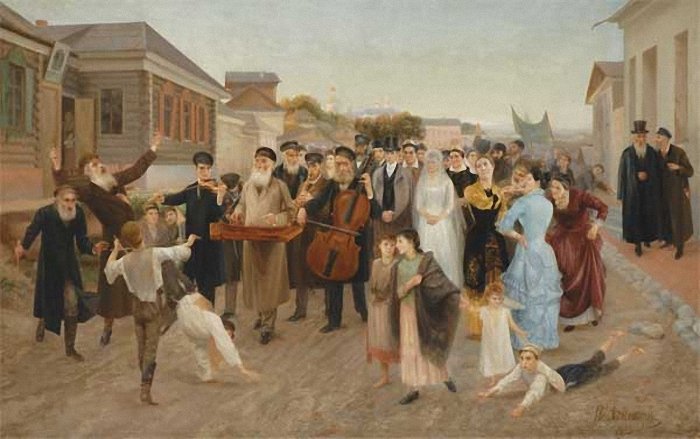
The term shtetl (Yiddish: שטעטל) refers to a traditional small Jewish town or village that existed across much of Eastern Europe. Shtetls were distinct localities where Jewish religious, economic and communal life was concentrated. They are best known from the 18th to the early 20th centuries, and the word often evokes both the everyday rhythms of market and synagogue and the particular culture of Yiddish-speaking communities.
Image gallery
4 Images

Characteristics
Shtetls varied in size and prosperity but shared common features. At their core were communal institutions and social networks that organized daily life and religious practice. Typical features included:
- Religious institutions: synagogue, study houses (beit midrash), and schools for boys (cheder).
- Economic life: tradespeople, small merchants, artisans, seasonal markets and fairs.
- Language and culture: Yiddish as the lingua franca, with Hebrew for liturgy and learning.
- Self-governance: communal councils or kehilla that managed charity, education and legal matters.
History and development
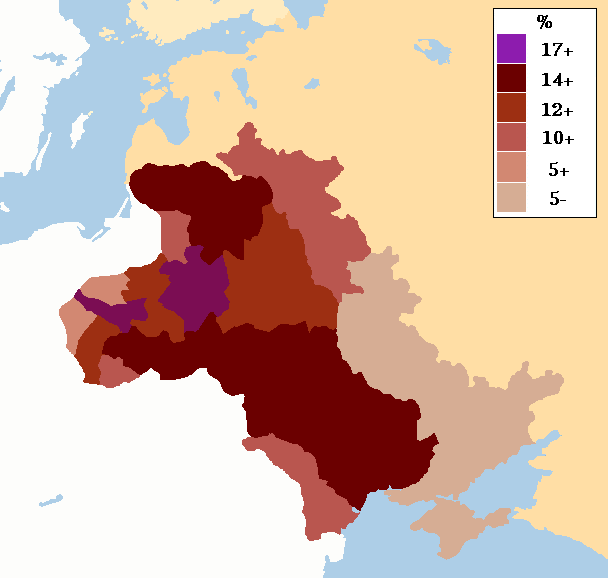
Shtetls developed over centuries as Jews settled in towns that offered economic niches, such as trade, crafts and services between rural and urban areas. Political changes — including the creation of the Russian Empire's Pale of Settlement, changing imperial policies, and shifting borders — shaped where and how these communities lived. From the late 19th century many residents emigrated to the Americas and elsewhere, seeking economic opportunity or fleeing persecution. The violent upheavals of the 20th century, above all the Holocaust, destroyed most shtetls and ended the traditional way of life in many places.
Cultural importance
Shtetls left a rich cultural legacy. Writers, musicians and storytellers documented everyday life and communal tensions, producing literature in Yiddish and other languages. Figures such as Sholem Aleichem popularized shtetl settings, blending humor and pathos; fictional places like Anatevka became literary symbols of a vanished world. Folklore, prayer, music and distinctive communal customs influenced later Jewish culture and scholarship.
Legacy and remembrance
Today the idea of the shtetl survives in museums, historical studies, genealogy projects and artistic works. Some physical sites have preserved synagogues or cemeteries; others are commemorated by memorials and educational programs. Scholars examine the economic structures, governance and social relations of shtetl life to better understand Jewish history in Eastern Europe and the processes that led to modern migration and cultural transformation.
Distinctions and notable facts
While often romanticized, shtetls were complex communities with internal divisions by class, religious observance and language. They differ from larger Jewish urban centers in scale and social organization, and from rural isolated hamlets in their denser network of institutions. Contemporary interest combines family history, cultural recovery and critical study, keeping the memory of shtetl life alive in many forms.
Related articles
Author
AlegsaOnline.com Shtetl: Eastern European Jewish Small Towns and Communities Leandro Alegsa
URL: https://en.alegsaonline.com/art/90078