
Shower (personal washing fixture)
A shower is a plumbing fixture that dispenses water for washing the body. Covers types, components, history, common uses, safety and environmental considerations.
Overview
A shower is a bathing installation that releases a spray of water over a standing person to rinse and cleanse the body. Showers are typically used without clothing and can be installed as a separate enclosure or combined with a bath. They are a common feature in homes, gyms, hotels and medical facilities because they provide a fast, convenient way to maintain personal hygiene.
Image gallery
10 Images




Parts and common types
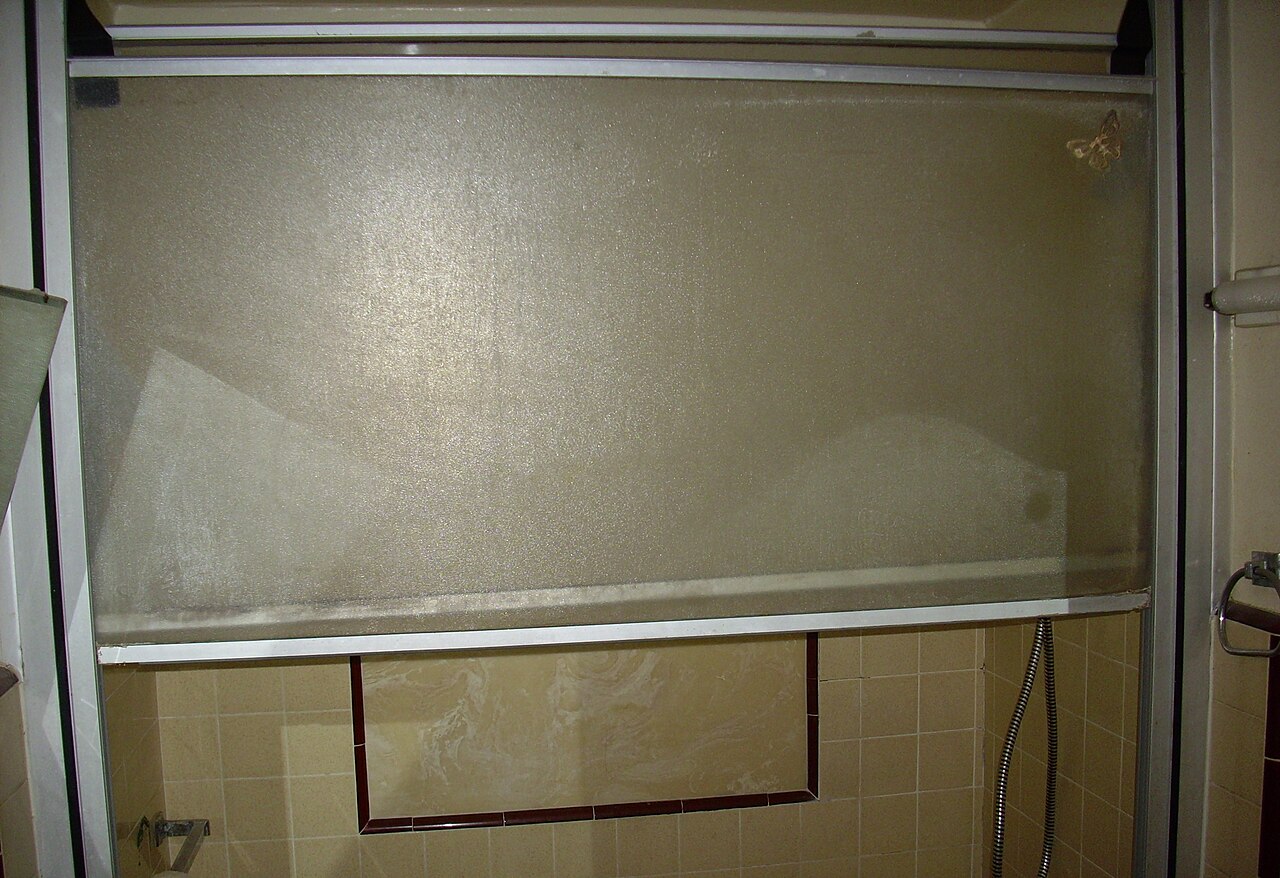
Basic shower systems include a shower head, a control valve or mixer, a supply of hot and cold water and a drain. Enclosures may be framed or open, and accessories commonly include doors, curtains, grab bars and shower seats. Typical types include:
- Fixed overhead or wall-mounted shower heads (including "rain" heads)
- Handheld showers with flexible hoses
- Electric showers that heat water on demand
- Power or pumped showers that increase pressure or deliver multiple jets
- Combination bath-shower installations and walk-in wet rooms
History and development
Forms of showering date back to ancient civilizations that used communal baths and rudimentary water outlets. Modern domestic showers became widespread with the rise of indoor plumbing in the 19th and 20th centuries and improvements in water heating and pressure systems. More recent developments include low-flow fittings, thermostatic mixers and digital or multifunction shower panels.
Uses and benefits
Showers serve hygiene, therapeutic and practical needs. They are an efficient way to remove dirt and sweat, and hydrotherapy showers are used for relaxation, circulation and muscle relief in clinical and spa settings. For many people a shower is faster than a bath and can use less water when fixtures are efficient.
Safety, accessibility and environmental considerations
Showers pose slip and scald risks, so safety features such as anti-slip surfaces, thermostatic valves that prevent sudden temperature changes, grab bars and seating improve accessibility for older adults and people with disabilities. Environmental concerns encourage the use of low-flow heads, timed showers and water-efficient fixtures to reduce consumption and energy used for heating.
Notable distinctions
Compared with a bathtub, a shower is designed for standing use and rapid rinsing. Variations in design—such as open wet rooms versus enclosed stalls, or pressure-boosted units versus simple gravity-fed heads—reflect differences in space, plumbing and personal preference. Advances in materials and controls continue to expand options for comfort, safety and conservation.
Author
AlegsaOnline.com Shower (personal washing fixture) Leandro Alegsa
URL: https://en.alegsaonline.com/art/90044