
Shota Rustaveli: Georgian medieval poet and author of The Knight in the Panther's Skin
Shota Rustaveli, a Georgian medieval poet and courtier of Queen Tamar, wrote The Knight in the Panther's Skin, a late 12th-century national epic blending chivalric romance, moral reflection and courtly love.
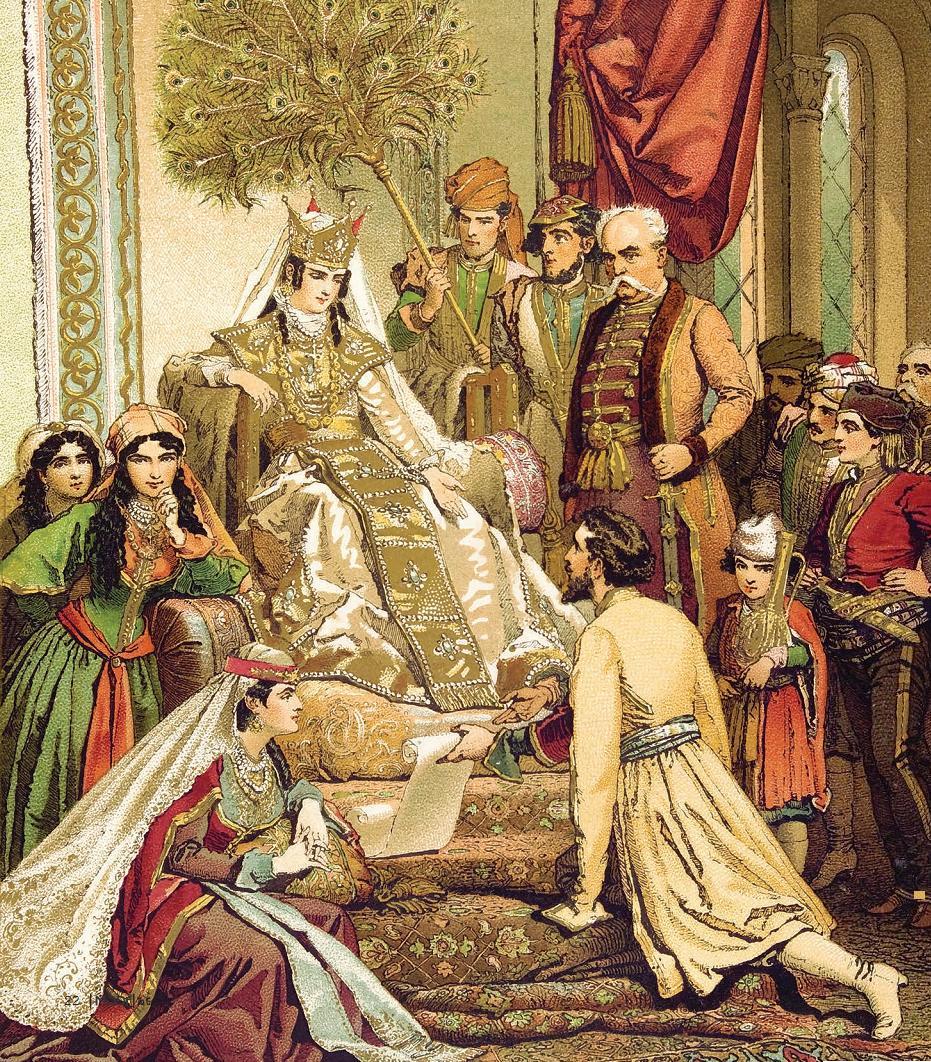
Shota Rustaveli is the name most often given to the author of the medieval Georgian masterpiece The Knight in the Panther's Skin (Georgian: Vepkhistqaosani). He is celebrated as the leading figure of Georgian secular letters and is generally placed among late 12th century writers. Although documentary evidence about his life is scarce, Rustaveli is usually described as a Georgian courtier and a close associate of Queen Tamar of Georgia.
Image gallery
10 Images


Life and historical context
Very little reliable biographical information about Rustaveli survives. Contemporary records do not provide a clear birth or death date, and most details come from later traditions and marginal notes in manuscripts. Scholars agree he was active at the royal court during the reign of Queen Tamar, and that his work reflects the cultural and political flowering of Georgia in that period.
The work
Rustaveli’s best-known composition is the long narrative poem commonly translated as The Knight in the Panther's Skin. Composed in Georgian, the poem combines elements of chivalric romance, ethical reflection, and courtly love traditions. It is written in a distinctive stanzaic metre (the Georgian shairi), which helped give the work its memorable rhythm and is often studied as a model of classical Georgian poetic technique.
The poem is treated today as a national classic and is frequently described as Georgia’s principal epic poem, although its themes and style differ from many epics of other cultures. Its characters, moral dilemmas and celebration of friendship and loyalty have continued to influence Georgian literature and cultural identity.
Reputation and legacy
Over the centuries Rustaveli’s poem has been copied, commented on and illustrated; it occupies a central place in Georgian education and cultural memory. Modern scholarship has produced editions, translations and studies that examine its language, form and philosophical content. While many aspects of the poet’s biography remain uncertain, his literary achievement is widely recognized both within Georgia and by international students of medieval literature.
- Nationality: Georgian
- Occupation: poet and courtier
- Active period: late 12th century
- Major work: The Knight in the Panther's Skin — a Georgian epic poem
Related articles
Author
AlegsaOnline.com Shota Rustaveli: Georgian medieval poet and author of The Knight in the Panther's Skin Leandro Alegsa
URL: https://en.alegsaonline.com/art/90018