
Shopping: activity, settings, history, and contemporary trends
Overview of shopping as an economic and social activity, its main forms, historical development, cultural role, and modern trends including online commerce and sustainability.
Overview
Shopping is the act of selecting and acquiring goods or services in exchange for money or other consideration. It encompasses purposeful purchasing, casual browsing known as window shopping, and activities that combine consumption with leisure. People who take part are commonly called shoppers; their motivations range from meeting daily needs to seeking entertainment or status.
Image gallery
10 Images



Common forms and settings
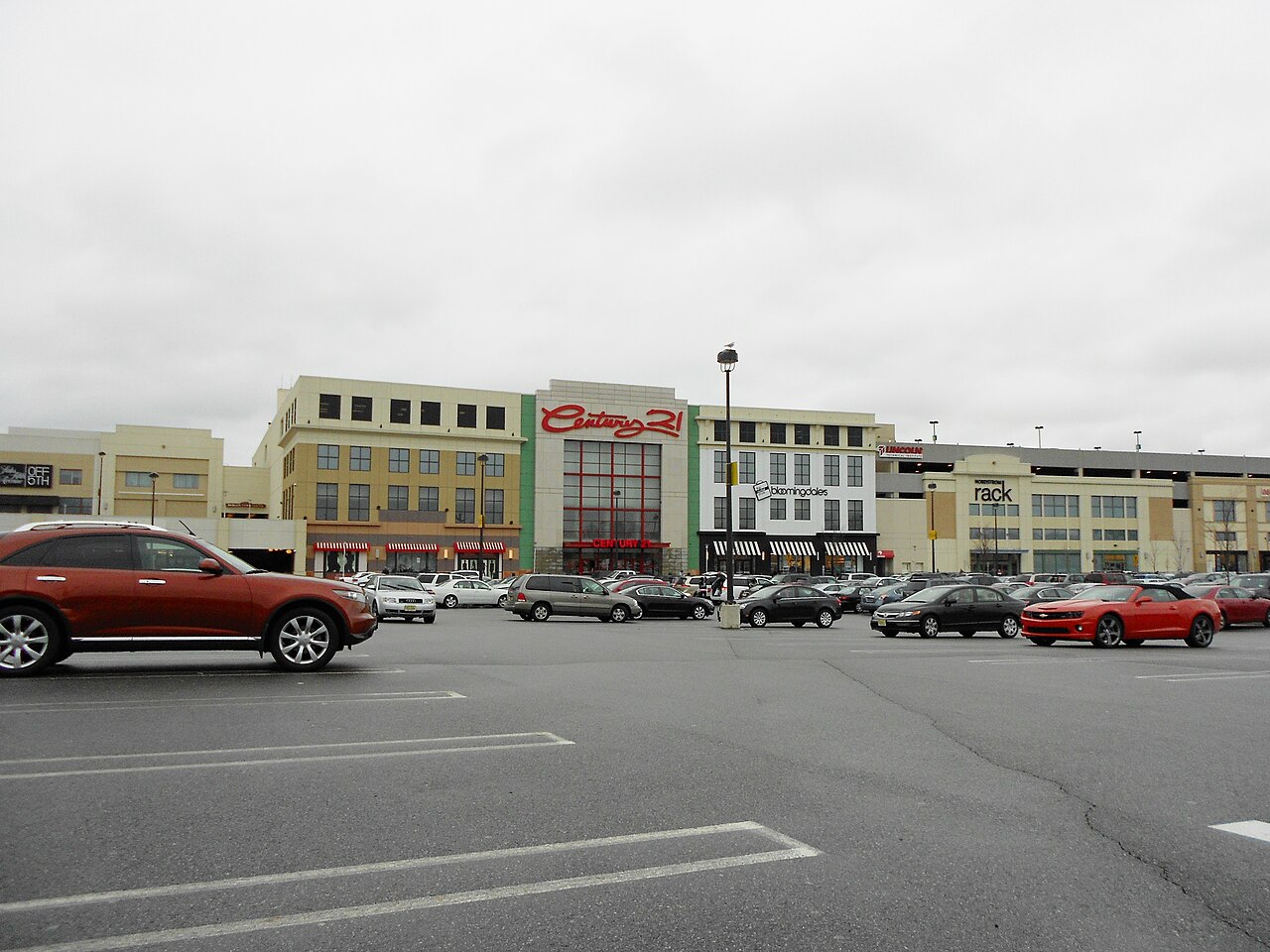
Shopping takes place in a variety of physical and digital environments. Traditional settings include markets, independent stores, and large indoor complexes such as shopping malls. Today many shoppers also use websites and apps to browse and buy. Key types include:
- Retail stores and boutiques located on streets or within malls.
- Department stores and chain supermarkets that offer diverse goods under one roof.
- Open-air markets and specialized bazaars where vendors sell fresh food, crafts, or secondhand items.
- Online platforms and mobile apps providing home delivery or click-and-collect services.
History and development
Exchange of goods has ancient roots in marketplaces and trading networks. Over centuries, permanent shops and specialized merchants emerged in towns and cities. In the 19th and 20th centuries, department stores and dedicated shopping centers changed how people shopped by concentrating many sellers in one venue. From the late 20th century onward, electronic commerce introduced a major shift as the internet allowed remote comparison, ordering, and delivery.
Participants and process
Shopping involves multiple actors: consumers, retailers, manufacturers, logistics providers, and payment systems. The basic process typically includes need recognition, searching for options, evaluating alternatives, purchase, and sometimes returns or after-sales service. Retail layout, pricing, marketing, and customer service all influence decisions. Many shoppers treat visits to stores as a social or recreational activity, while others prioritize convenience and speed.
Economic, cultural, and environmental aspects
Shopping drives large portions of modern economies by moving goods, creating jobs, and shaping urban design. It also carries cultural meanings—expressing identity through fashion or supporting local artisans. At the same time, consumption patterns raise environmental and ethical concerns such as resource use, waste, and labor practices. These concerns have encouraged movements toward sustainable, secondhand, and ethical shopping choices.
Distinctions and recent trends
The distinction between in-person and online shopping has blurred as many retailers adopt an omnichannel approach combining web, mobile, and physical services. Factors that shape contemporary shopping include convenience, price transparency, personalization, and sustainability. Researchers and commentators frequently discuss how technology, such as mobile payments and recommendation systems, changes behavior and how cities adapt to shifting retail patterns. For further context about stores and leisure aspects see shops and perspectives on shopping as leisure.
Author
AlegsaOnline.com Shopping: activity, settings, history, and contemporary trends Leandro Alegsa
URL: https://en.alegsaonline.com/art/89980
Sources
- topchristmasgiftideas.com : "History of Shopping - Top Christmas Gift Ideas"
- einkaufen-mit-dem-rad.de : Shopping by bike