
Shizuka Arakawa — Japanese figure skater and Olympic champion
Shizuka Arakawa, Japanese figure skater; 2004 World Champion and 2006 Olympic gold medalist. Renowned for elegant lines, strong skating skills and a lasting influence on Japanese figure skating.
Shizuka Arakawa is a Japanese former competitive figure skater celebrated for her elegant style and landmark achievements on the world stage. Born and trained in Japan, she became one of the country's most prominent athletes in the early 2000s and is best known for winning the Olympic title in ladies' singles in 2006 and the World Championship in 2004. Her career marked a turning point in the international visibility and popularity of figure skating in Japan.
Image gallery
8 Images




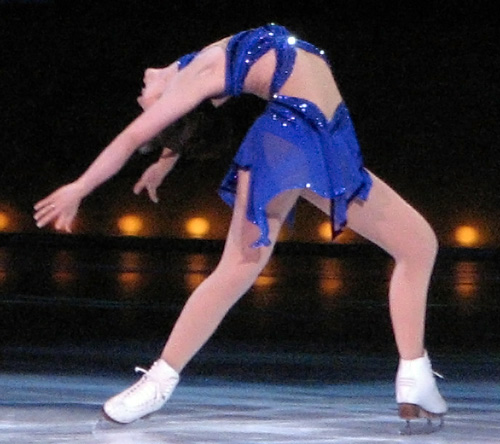


Overview and significance
Arakawa combined long, lyrical lines with reliable edge work and expressive choreography, qualities that gained extra value under the post-2002 judging system which placed greater emphasis on skating skills and program components. Her Olympic victory was widely viewed as a historic moment for Japanese figure skating and helped inspire a new generation of skaters in the country. Her name in Japanese is sometimes shown as 荒川 静香.
She represented Japan on multiple world stages and made her first Olympic appearance at the 1998 Games in Nagano at age 16, a home Olympics that brought her early international experience and exposure. She is frequently described in media and profiles as a disciplined performer with a clean, classical approach to program construction and presentation. For more on the sport in general, see resources listed under figure skating.
Career highlights and style
Across her competitive career Arakawa balanced technical elements with strong presentation. The period between her World title and Olympic triumph is often cited as the peak of her competitive achievements. Her performances were noted for smooth transitions, deep edges and an emphasis on musical interpretation rather than solely on risky jumping content.
- 1998: Olympic debut at Nagano, Japan (1998 Winter Olympics).
- 2004: World Champion (senior level).
- 2006: Olympic gold medalist in ladies' singles, Turin.
After retiring from ISU competition, Arakawa continued to contribute to the sport through professional shows, television appearances and activities that promoted skating in Japan. Her legacy is visible in the sustained interest in figure skating in Japan and in the many younger skaters who cite her as an influence.
Notable facts and distinctions
Beyond medals, Arakawa is remembered for the way her skating fit the evolving judging criteria and for her role in elevating the profile of Japanese skaters internationally. She remains a frequently cited example of a skater whose strengths in fundamentals and artistry compensated for less emphasis on the most difficult jumping repertoire of her era.
Related articles
Author
AlegsaOnline.com Shizuka Arakawa — Japanese figure skater and Olympic champion Leandro Alegsa
URL: https://en.alegsaonline.com/art/89904