
Shintaro Ishihara: Japanese novelist, governor and conservative politician
Shintaro Ishihara (1932–2022) was a bestselling novelist turned prominent conservative politician, governor of Tokyo (1999–2012), founder of right-leaning parties and a polarizing public figure in modern Japan.

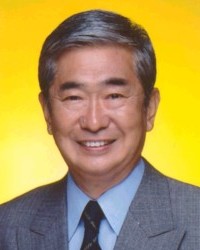
Shintaro Ishihara (1932–2022) was a prominent Japanese writer and politician whose public life spanned more than half a century. He first gained national attention as a novelist in the 1950s and later became a high-profile lawmaker and the Governor of Tokyo, serving from 1999 to 2012. Widely recognized as a leading conservative and often described as right-wing, Ishihara combined cultural influence with assertive political positions. He was born in Kobe and remained a major figure in national debates until his retirement.
Image gallery
6 Images



Political career and offices
Ishihara began his parliamentary career in the national legislature, serving in the House of Councillors before moving to the House of Representatives. After decades in national politics he won the Tokyo gubernatorial election and oversaw the metropolitan government for three terms. He stepped down from the governorship to co-lead a small party known as the Sunrise Party and later took a leading role in the Japan Restoration Party, an organization that sought to reshape conservative politics in Japan. Ishihara returned to the Diet after the 2012 general election but failed to win re-election in the 2014 vote and announced his withdrawal from frontline politics soon after.
Writings and cultural influence
Before entering politics, Ishihara earned fame as a novelist. His early work captured postwar youth culture and drew widespread attention, helping to launch a career in public life. Several of his books were adapted into films and his literary reputation gave him a platform that few politicians enjoy. This background as an author shaped his public persona: he was known for direct, dramatic language and for blending cultural commentary with political argument.
Policies, initiatives and public image
As governor Ishihara emphasized raising Tokyo's international profile, promoting urban development and taking bold, sometimes contentious, initiatives. He advocated market-oriented reforms, promoted the city’s branding, and pushed for high-profile projects intended to attract global attention. Late in his tenure he sought to influence territorial and diplomatic issues — notably calling attention to the dispute over the Senkaku/Diaoyu islands and pressing for local action that intersected with national foreign policy. His style was outspoken and combative; supporters praised his willingness to shake up the status quo, while critics accused him of divisive rhetoric.
Controversies and notable positions
- Regularly made blunt comments on history, immigration and relations with neighboring countries that drew criticism and diplomatic friction.
- Advocated for a more assertive national defense posture and for reforms to Japan’s political institutions.
- Used his literary fame to frame political debates in cultural as well as policy terms, heightening public attention but also polarizing opinion.
Legacy and death
Ishihara left a mixed legacy: he is remembered both as an influential cultural figure and as a polarizing political leader who helped energize a segment of Japanese conservatism. His supporters cite his efforts to modernize Tokyo and to inject new energy into political life; his critics emphasize the divisive quality of some of his public statements and the tensions they provoked with Japan’s neighbors. Ishihara died in Tokyo on 1 February 2022 from pancreatic cancer, at the age of 89, and was reported to have spent his final years away from elected office in the city he once governed, Tokyo.
For readers interested in further detail, Ishihara’s career can be traced through accounts of postwar Japanese literature, histories of the Liberal Democratic Party’s challengers, and studies of urban policy in Tokyo during the early 21st century. His life illustrates how cultural fame can translate into political power — and how outspoken leadership can produce both enduring achievements and lasting controversy.
Related articles
Author
AlegsaOnline.com Shintaro Ishihara: Japanese novelist, governor and conservative politician Leandro Alegsa
URL: https://en.alegsaonline.com/art/89841
Sources
- sankei.com : 引退会見詳報