
Shinji Ikari — protagonist of Neon Genesis Evangelion
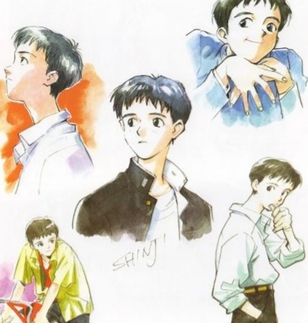
Shinji Ikari, the reluctant pilot of Evangelion Unit-01 from Neon Genesis Evangelion, is a conflicted teenage protagonist whose introspection, relationships, and trauma drive the series' psychological themes.
Overview
Shinji Ikari is the central character of the anime series Neon Genesis Evangelion. Introduced as a withdrawn fourteen-year-old, he is summoned by the organization NERV to pilot the giant biomechanical weapon known as Evangelion Unit-01. The story follows his reluctant involvement in battles against mysterious entities called Angels and the personal consequences of that role.
Image gallery
10 Images








Characteristics and role
Shinji is often described as introspective, insecure, and emotionally fragile. His narrative arc focuses less on external heroics and more on inner conflict: self-doubt, fear of rejection, and a deep longing for acceptance. In combat he demonstrates surprising sync and latent power with Unit-01, at times producing unpredictable or berserk responses linked to the machine's enigmatic nature.
Relationships
- Gendo Ikari: his distant father and NERV's commander, whose priorities and absences shape much of Shinji's emotional life.
- Misato Katsuragi: his appointed guardian, who balances care with the pressures of command.
- Rei Ayanami and Asuka Langley Soryu: fellow pilots whose differing personalities and bonds with Shinji highlight his struggles with intimacy and identity.
Themes and interpretations
Shinji's story is central to the series' exploration of psychological and existential themes: individuality versus connection, trauma and depression, and the search for selfhood under extreme circumstances. The narrative frequently shifts into internal landscapes and symbolic imagery, inviting multiple readings about identity and human contact.
Portrayals, versions and cultural impact
Created by Hideaki Anno, Shinji has appeared in the original television series, the cinematic summary and alternate ending, and later film adaptations that reimagine aspects of the story. He is voiced in Japanese by Megumi Ogata and in prominent English dubs by Spike Spencer. As a character, Shinji influenced later anime protagonists by foregrounding vulnerability and psychological realism over conventional heroism.
Notable facts
Shinji's conflicted nature and the series' ambiguous endings sparked extensive discussion among critics and fans. He remains one of the most analyzed figures in modern animation, frequently cited in conversations about mental health, adolescent alienation, and the narrative potential of animation to depict inner life.
Related articles
Author
AlegsaOnline.com Shinji Ikari — protagonist of Neon Genesis Evangelion Leandro Alegsa
URL: https://en.alegsaonline.com/art/89822
Sources
- gainax.co.jp : GAINAX NET
- ntv.co.jp : Nihon TV Official web site