
Shōjo manga: Japanese comics for girls and young women
Shōjo manga are Japanese comics created mainly for girls and young women. They emphasize relationships, emotion, fashion and coming‑of‑age themes across romance, fantasy, magical‑girl and action subgenres.
Overview
Shōjo (少女) manga refers to Japanese comics produced primarily for girls and young women, roughly from late childhood through the teenage years. These works frequently center on interpersonal relationships, personal growth, and emotional experience. Although many shōjo stories focus on romance and friendship, the category includes a wide variety of subjects and tones—from gentle slice‑of‑life to high‑stakes adventure.
Image gallery
10 Images


Common characteristics
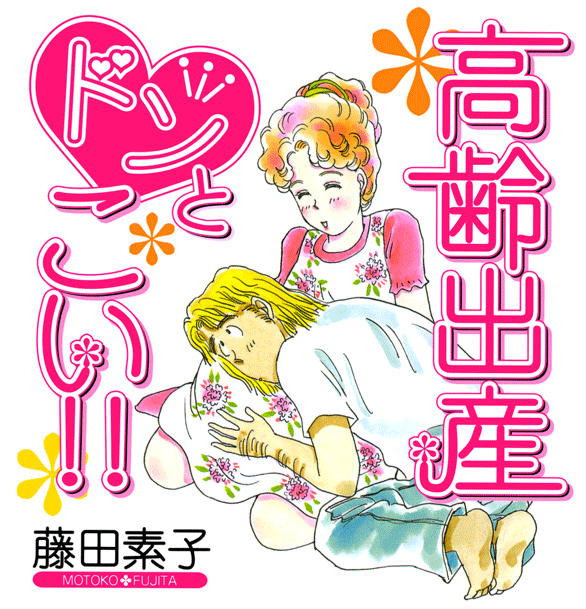
Visually and narratively, shōjo manga often place strong emphasis on characters' interior feelings and on aesthetics. Typical features include expressive, large eyes, delicate line work, decorative panel motifs, and layouts that may break from conventional grid patterns to convey mood. Protagonists are most often female and of school age, but settings and ages vary widely. Themes commonly explored include identity, first love, loyalty, and self‑discovery.
Genres and examples
Within shōjo there are many subgenres. Some recurring categories are:
- Romance and coming‑of‑age stories where emotional development is central;
- Magical‑girl and fantasy series that combine supernatural elements with personal drama;
- Drama and historical pieces that explore family, social issues or period settings;
- Action and mystery works that foreground adventure while keeping emotional relationships in focus.
Well‑known international examples include series such as Sailor Moon, which popularized the magical‑girl subgenre worldwide. For general context and definitions see entries on manga.
History and development
Shōjo manga developed alongside other manga categories during the 20th century and expanded as dedicated magazines and publishing lines emerged. Over time it diversified into many styles and age brackets. Titles once aimed at middle‑school readers helped spawn works for older audiences; the related category known as josei targets adult women and often treats mature topics with different pacing and realism.
Impact and distinctions
Shōjo manga has influenced fashion, popular culture and media crossovers, including anime adaptations, live‑action films and merchandising. Its distinguishing traits are the focus on inner emotion and relationships and an adaptable visual language that highlights mood. While shōjo and shōnen (boys' comics) can overlap, they are traditionally differentiated by target demographic and by narrative emphasis rather than by strict rules.
Why it matters
Readers appreciate shōjo manga for its attention to character psychology, its exploration of identity during formative years, and its capacity to combine emotional storytelling with many genres. For newcomers, sampling a range of subgenres is the best way to understand the breadth and creativity within shōjo comics.
Questions and answers
Q: What is shōjo manga?
A: Shōjo manga is manga (Japanese comics) made for young girls, normally ages 7-19.
Q: What is Sailor Moon?
A: Sailor Moon is one of the most popular shōjo manga series.
Q: What are some common themes in shōjo manga?
A: Common themes in shōjo manga are love, friendship, and romance.
Q: Are all shōjo manga focused on love and romance?
A: No, some shōjo manga are more serious and action-based.
Q: What kind of characters are typically featured in shōjo manga?
A: Most shōjo characters are female and around middle-school or high-school age.
Q: What is the target audience for shōjo manga?
A: The target audience for shōjo manga are young girls, normally ages 7-19.
Q: How does shōjo manga differ from other types of manga?
A: Shōjo manga is specifically made for young girls and is typically focused on themes like love and friendship.
Related articles
Author
AlegsaOnline.com Shōjo manga: Japanese comics for girls and young women Leandro Alegsa
URL: https://en.alegsaonline.com/art/89954