
Shin Saimdang — Joseon artist, poet and exemplar of Confucian motherhood
Shin Saimdang (1504–1551) was a Korean painter, calligrapher, poet and Confucian-minded writer of the Joseon period, remembered as the mother of Yi I and a lasting cultural symbol of virtuous motherhood.
Overview
Shin Saimdang (Korean 신사임당, 1504–1551), born Shin In‑seon and widely known by her pen name Saimdang, was a multi‑talented figure of the early Joseon dynasty of Korea. She is remembered as an accomplished painter, calligrapher, poet and household scholar whose life exemplified several ideals of Confucian womanhood in her era. Her reputation endures both for her own creative output and as the mother of the celebrated Confucian thinker Yi I (Yi I).
Image gallery
9 Images


Life and context
Shin lived during the Joseon kingdom of Korea, a society shaped by Confucian social values and scholarly study. Born into a yangban (elite) family, she received a notably broad education for a woman of her time, which included literature, calligraphy and painting as well as the practical skills expected of a household manager. She married and raised children while maintaining an active practice of writing and painting; over the centuries she has come to be honored as an exemplar of filial piety, domestic virtue and maternal instruction.
Art, writing and themes
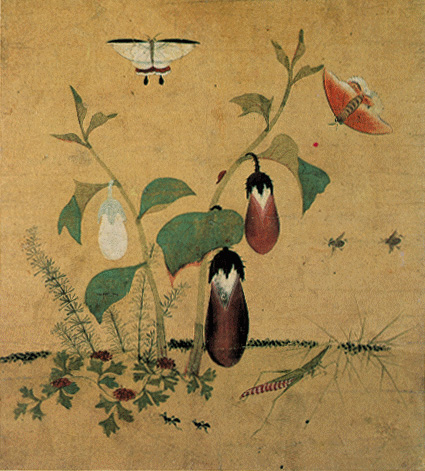
Shin Saimdang produced paintings, calligraphy and short poems that reflect close observation of nature and an intimate domestic sensibility. Her painted subjects commonly include plants, flowers, birds, insects and small animals, rendered with delicate brushwork and attention to detail. She worked in the ink‑and‑brush tradition native to East Asian literati art but often focused on everyday subjects rather than grand, idealized landscapes.
Characteristics and notable types of work
- Paintings of flora and fauna (flowers, birds, insects, fruit) emphasizing naturalism and compositional simplicity.
- Calligraphic works and short poetic inscriptions that combine moral reflection and personal feeling.
- Domestic writings and letters that illuminate household education and Confucian family duties.
Intellectual orientation
Although women had limited formal roles in public scholarship during Joseon, Shin engaged with the cultural ideals of her time and produced work informed by Confucian ethics: care for family, moral cultivation and education of children. Her life and writings illustrate how elite women could exercise intellectual influence within the household and contribute to cultural life through the arts.
Legacy and modern reception
Shin Saimdang remains a prominent cultural figure in Korea. She is honored as a model of maternal virtue and artistic accomplishment; reproductions of her paintings appear in museums and collections, and she has been a subject for biographies, historical studies and popular media. In modern times her portrait was selected for the South Korean 50,000 won banknote, a sign of national recognition that also sparked discussion about how historical women are remembered and idealized. Today she is studied both for her artistic contributions and as a window onto gender, education and family life in Joseon Korea.
For further reading and resources, see general entries linked to her Korean name and to Joseon cultural history: name and orthography, Joseon period context, Confucianism and family ethics, and material related to her son Yi I.
Related articles
Author
AlegsaOnline.com Shin Saimdang — Joseon artist, poet and exemplar of Confucian motherhood Leandro Alegsa
URL: https://en.alegsaonline.com/art/89799