
Shibuya (Tokyo) — commercial, cultural and transit hub
Shibuya is a special ward of Tokyo noted for its major rail hubs and Shibuya Crossing, vibrant youth culture and fashion, corporate and creative industries, and landmarks like the Hachikō statue and Shibuya 109.
Overview
Shibuya is a compact, densely built special ward in central Tokyo, Japan. Internationally recognised for lively street life and media influence, the ward combines retail, entertainment, offices and cultural venues. It is often associated with youth fashion, pop culture and nightlife, and attracts both residents and international visitors for shopping, dining and events.
Image gallery
10 Images





Administration, population and area
The ward covers about 15.11 km2 and had an estimated population of roughly 231,000 people in 2020, giving a high population density typical of Tokyo's central districts. As one of Tokyo's special wards it has its own elected local government responsible for municipal services, urban planning and local business support.
Transport and mobility
Shibuya functions as a major transport node. Shibuya Station is one of the ward's principal railway hubs, served by multiple JR lines, Tokyo Metro lines and private railways, and supports the district's commercial life. Nearby Shinjuku Station is another of the city's busiest interchanges and is often mentioned together with Shibuya when discussing Tokyo's rail network. The concentration of lines makes Shibuya a common transfer and meeting point for commuters and visitors.
Economy, commerce and districts
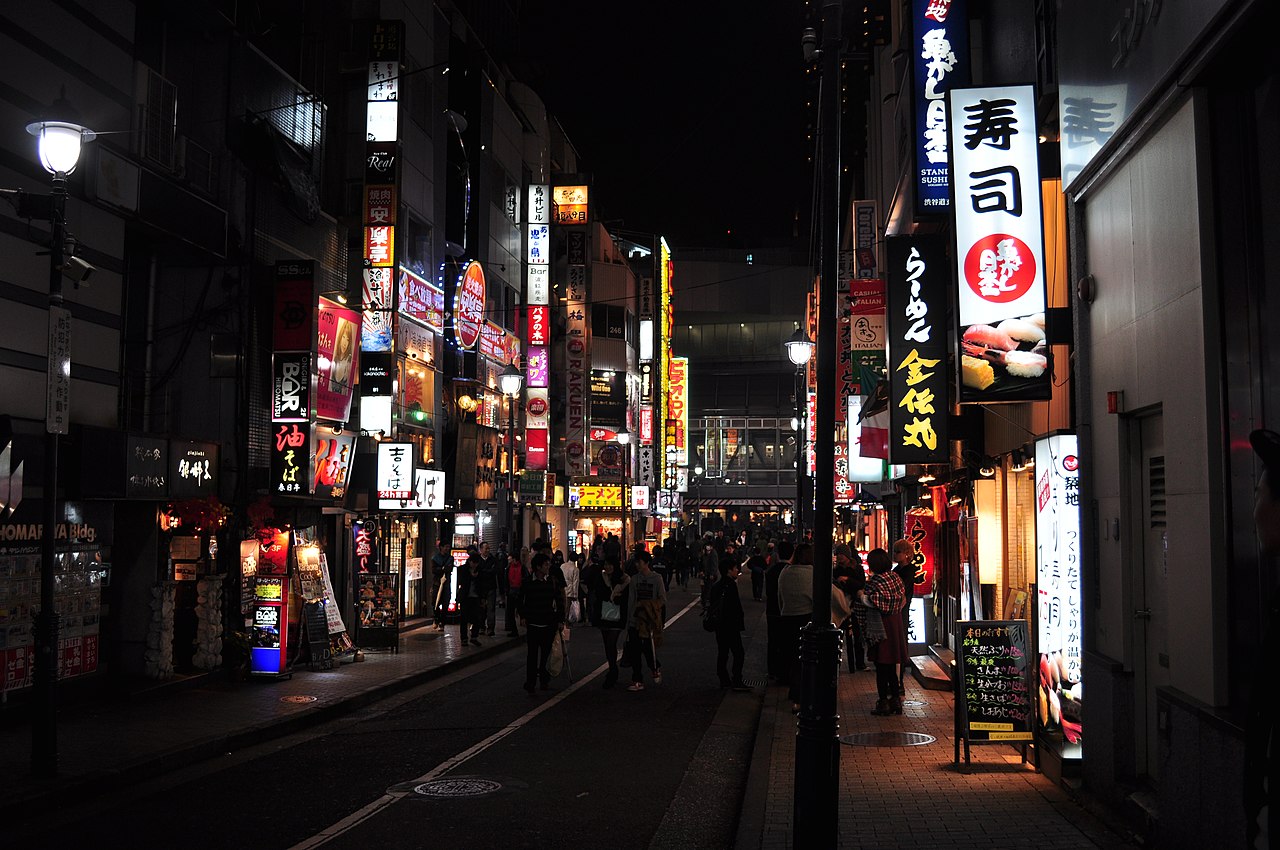
Shibuya is an important centre for commerce and business, hosting flagship department stores, specialty retailers, small boutiques and offices for technology, media and creative firms. Several neighbourhoods within the ward have distinct characters: Dogenzaka is known for nightlife, Center Gai for pedestrian shopping streets, and Cat Street for boutique fashion and cafes. Shopping complexes such as Shibuya 109 have helped establish the area as a trend-setting retail destination.
Landmarks and visitor attractions
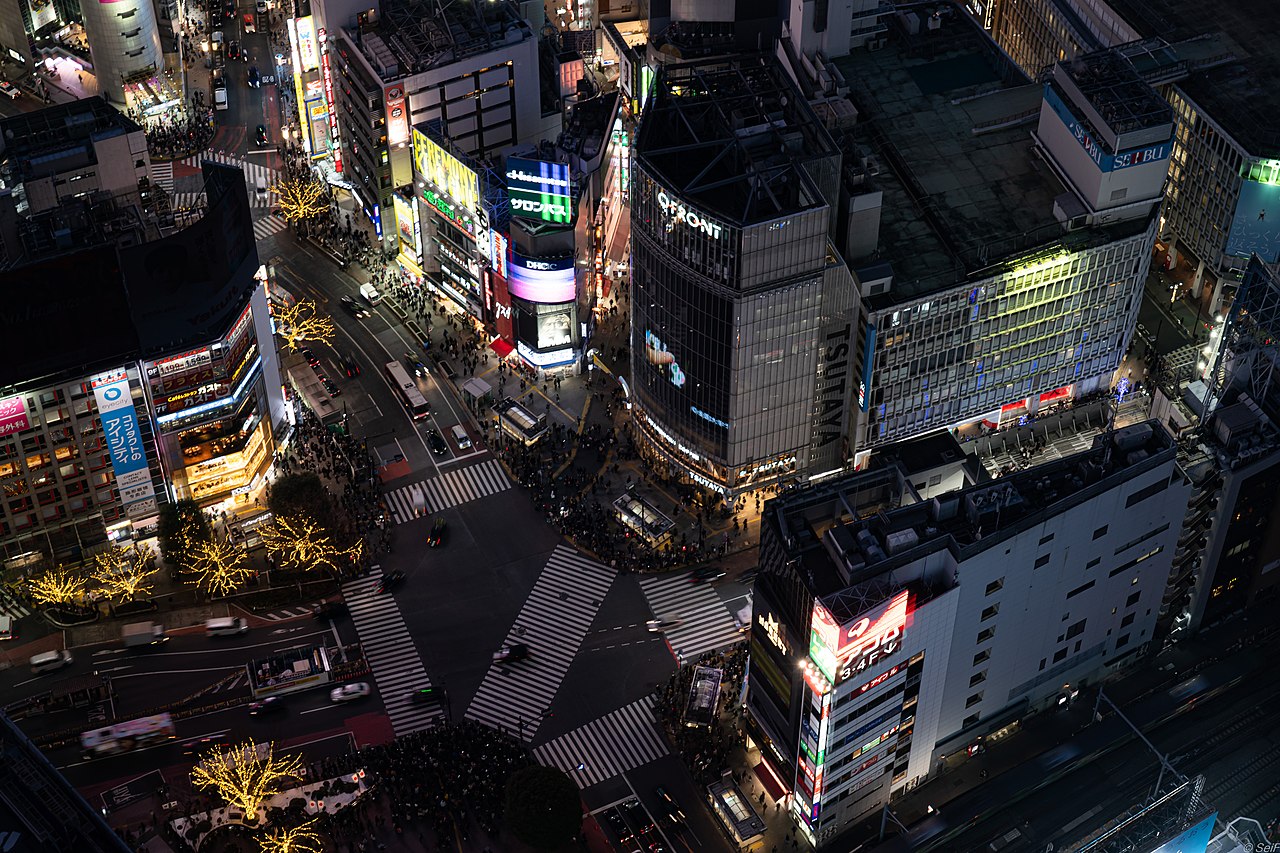
- Shibuya Crossing — the famous multi-directional scramble outside Shibuya Station, widely photographed as a symbol of urban dynamism.
- Hachikō statue — a popular meeting point commemorating the loyal dog Hachikō and a fixture of the station plaza.
- Shopping and entertainment centres — department stores, fashion malls and music venues that cater to a range of tastes and ages.
- Parks and shrines — the ward borders large green spaces and cultural sites such as Yoyogi Park and the Meiji Shrine, offering contrast to the commercial core.
History and redevelopment
Shibuya developed from a small post-town into a major urban centre through rail expansion in the late 19th and 20th centuries and rapid postwar reconstruction. In recent decades the area has undergone sustained redevelopment, with large mixed-use projects reshaping the skyline and improving pedestrian circulation around the station. These projects reflect efforts to balance transport capacity with commercial growth and public spaces.
Culture and daily life
Beyond shopping and transport, Shibuya plays an influential role in fashion, music, advertising and youth culture. It is home to creative agencies, start-ups and media companies, and hosts seasonal events, street performances and nightlife that contribute to its reputation as one of Tokyo's most dynamic neighbourhoods. For practical information on visiting or researching the ward, municipal resources and travel guides provide up-to-date details on services and attractions.
Related articles
Author
AlegsaOnline.com Shibuya (Tokyo) — commercial, cultural and transit hub Leandro Alegsa
URL: https://en.alegsaonline.com/art/89731
Sources
- city.shibuya.tokyo.jp.e.mu.hp.transer.com : "Resident registration population"