
Special wards of Tokyo
The 23 special wards are Tokyo's primary municipalities. They have city-like autonomy, elected mayors and assemblies, and share responsibilities with the Tokyo Metropolitan Government.
Overview
The special wards of Tokyo (特別区, tokubetsu-ku) are the 23 municipal entities that make up the densely populated core of Japan's capital. Unlike the ordinary administrative wards found in other large Japanese cities, these units function with a level of autonomy similar to independent cities. For an introduction to Japan's system of local government see basic local entities of Japan. The group as a whole is often referred to simply as the "Tokyo 23 wards" or 23 municipalities in English-language descriptions.
Image gallery
8 Images



Characteristics and organization
Each special ward has its own local government headed by a directly elected mayor and a representative assembly. Together they provide many municipal services to residents, while some responsibilities are handled at the metropolitan level by the Tokyo Metropolitan Government. Typical functions that wards manage include:
- local planning and zoning,
- waste collection and neighborhood sanitation,
- childcare, elementary and some secondary education services,
- local welfare and community programs.
History and legal status
The special wards system evolved from the historical wards of Tokyo. During the 20th century administrative reforms changed the balance of authority between the city and the prefectural levels. The current arrangement gives the wards statutory standing that differs from the wards (区, ku) used as subdivisions in other large cities; for an explanation of that contrast see wards (ku) of other major Japanese cities. Over decades the wards have gained more municipal powers and clearer fiscal arrangements with the metropolitan government.
Roles, examples and importance
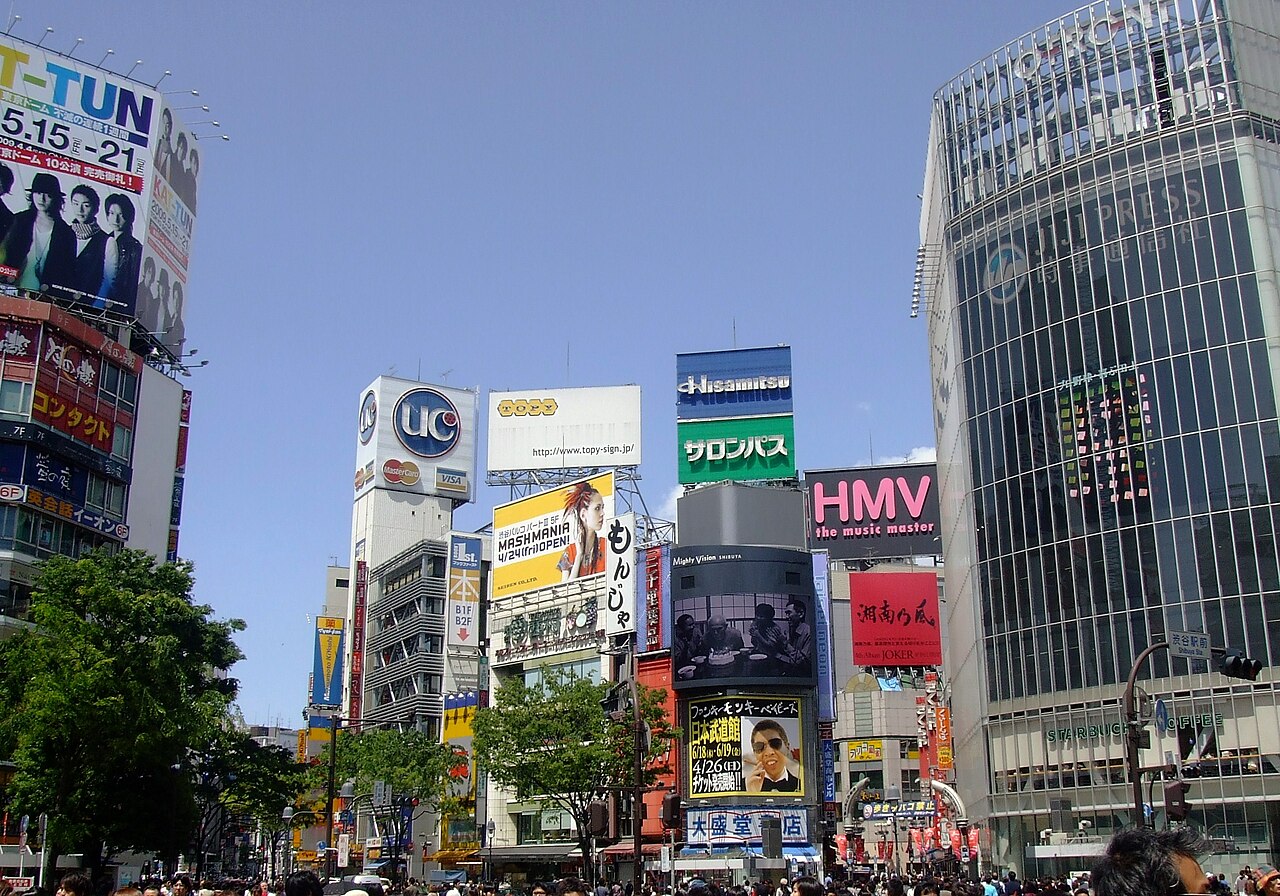
Many of Japan's most recognizable urban districts — including business, cultural and entertainment centers — are located within the 23 wards. Examples include Shinjuku, Shibuya and Chiyoda, each of which is a special ward with its own local administration. Because the wards combine dense population, economic activity and local services, they are central to urban planning, transportation policy and public life in Tokyo. The arrangement allows local decision-making tailored to neighborhood needs while coordinating region-wide infrastructure through metropolitan institutions.
Distinctions and notable facts
Key points to remember: the special wards are municipal entities with elected leadership; they are legally and functionally distinct from non-special wards found elsewhere; and they cooperate closely with the Tokyo Metropolitan Government on issues that cross ward boundaries, such as major transit networks and large-scale utilities. This dual structure is a distinctive feature of Tokyo's governance and urban management.
Related resources: see general overviews of Japan's local government structure and descriptions of the Tokyo metropolitan system via the links above.
Questions and answers
Q: What are special wards of Tokyo?
A: Special wards of Tokyo (特別区, tokubetsu-ku) are one of the basic local entities of Japan.
Q: How many municipalities are there in the core of the capital?
A: There are 23 municipalities in the core of the capital of Japan.
Q: How do special wards differ from other major Japanese cities?
A: They are "special wards" because they are different from the wards (区, ku) of other major Japanese cities.
Q: What is a tokubetsu-ku?
A: Tokubetsu-ku is another name for special wards of Tokyo.
Q: Are special wards part of Japan's basic local entities?
A: Yes, special wards are part of Japan's basic local entities.
Q: What is a ku?
A: Ku is another name for a ward and refers to an administrative division within a city or town in Japan.
Q: Are there any other names for special wards besides tokubetsu-ku?
A: No, tokubetsu-ku is the only name used for special wards in Tokyo.
Related articles
Author
AlegsaOnline.com Special wards of Tokyo Leandro Alegsa
URL: https://en.alegsaonline.com/art/92565
Sources
- web-japan.org : "Local self-government," p. 1
- metro.tokyo.jp : "Municipalities within Tokyo"
- city.adachi.tokyo.jp : Adachi website
- www15.j-server.com : Arakawa website
- city.bunkyo.lg.jp : Bunkyō website
- city.chiyoda.tokyo.jp : Chiyoda website
- city.chuo.lg.jp : Chūō website
- city.edogawa.tokyo.jp : Edogawa website (in Japanese)
- trans.city.itabashi.tokyo.jp : Itabashi website
- katsushika.web.transer.com : Katsushika website
- trans2.city.kita.tokyo.jp : Kita website
- www15.j-server.com : Kōtō website
- www15.j-server.com : Meguro website
- city.minato.tokyo.jp : Minato website
- city.tokyo-nakano.lg.jp : Nakano website (in Japanese)