
Shepton Mallet: Market Town in the Mendip Hills, Somerset
Shepton Mallet is a historic market town in Somerset, England, serving as the administrative centre of the Mendip district. It lies near the Mendip Hills and retains a mix of historic architecture and rural landscape.
Overview
Shepton Mallet is a market town in the county of Somerset, England. It sits within the Mendip district and functions as the administrative centre for the local council. The town combines a compact historic centre with surrounding countryside and serves as a local retail and service hub.
Image gallery
10 Images



Geography and character
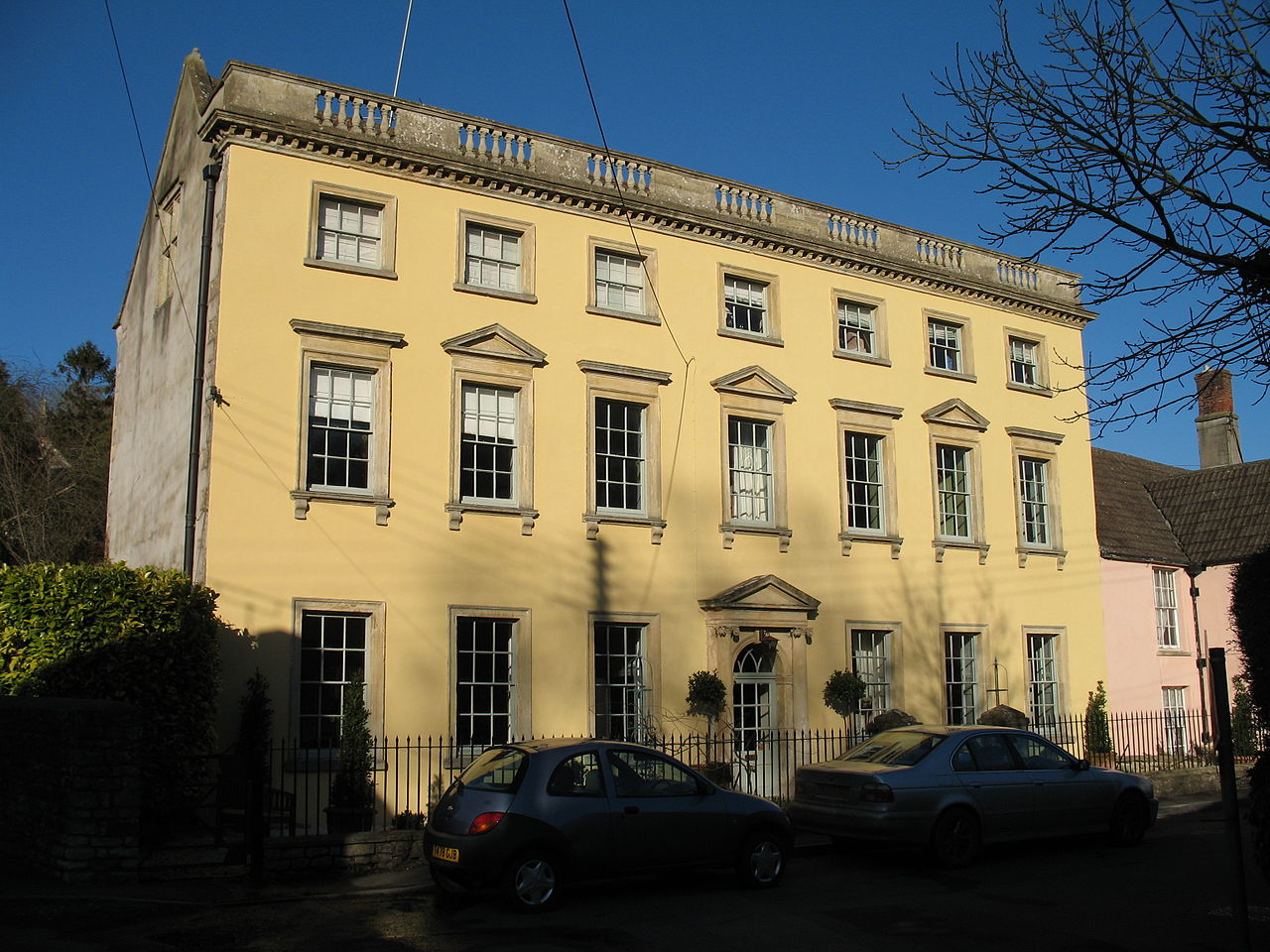
Located close to the limestone slopes of the Mendip Hills, Shepton Mallet occupies a valley through which the River Sheppey runs. The landscape nearby offers rolling fields, hedgerows and walking routes popular with day visitors. The town’s streets include traditional stone buildings, a historic market place and several civic landmarks.
History and name
The place-name links the local river (Sheppey) with the medieval Malet family, who held land here after the Norman Conquest. Over centuries Shepton Mallet developed as a market and service centre for surrounding farms, with growth during the pre-industrial and industrial eras when small-scale manufacturing and trade expanded in many Somerset towns.
Culture, economy and amenities
Today the town supports independent shops, regular markets, community organisations and cultural activities. Its economy mixes retail, light industry and tourism; visitors come for food, antique shops, and countryside access. The former prison in Shepton Mallet is a well-known landmark that has been the subject of redevelopment and conservation discussions in recent years.
Attractions and activities
- Historic parish church and town centre architecture
- Markets and local festivals that reflect rural traditions
- Outdoor walking, cycling and access to Mendip Hill trails
Practical information and further reading
Shepton Mallet is served by regional roads and has easy links to nearby centres such as Wells and Bath. For official information about local services and planning see the Mendip district pages at Mendip District and county resources at Somerset. Community groups and heritage organisations also publish local history and visitor guides; for council matters consult local council pages.
Notable features of the town include its market-town heritage and convenient access to the Mendip Hills, making it representative of many small historic centres in rural western England.
Related articles
Author
AlegsaOnline.com Shepton Mallet: Market Town in the Mendip Hills, Somerset Leandro Alegsa
URL: https://en.alegsaonline.com/art/89667