
Barcelona Metro
The electrified urban rail system serving Barcelona and its suburbs, operated by multiple agencies and integrated with the metropolitan public transport network.
The Barcelona Metro (in Catalan: Metro de Barcelona and in Spanish: Metro de Barcelona) is the primary rapid transit network for the city of Barcelona and its surrounding areas in Spain. It combines underground lines through the urban core with above‑ground stretches reaching suburban neighbourhoods, forming an extensive electrified system that serves commuters, students and visitors alike.
Image gallery
10 Images


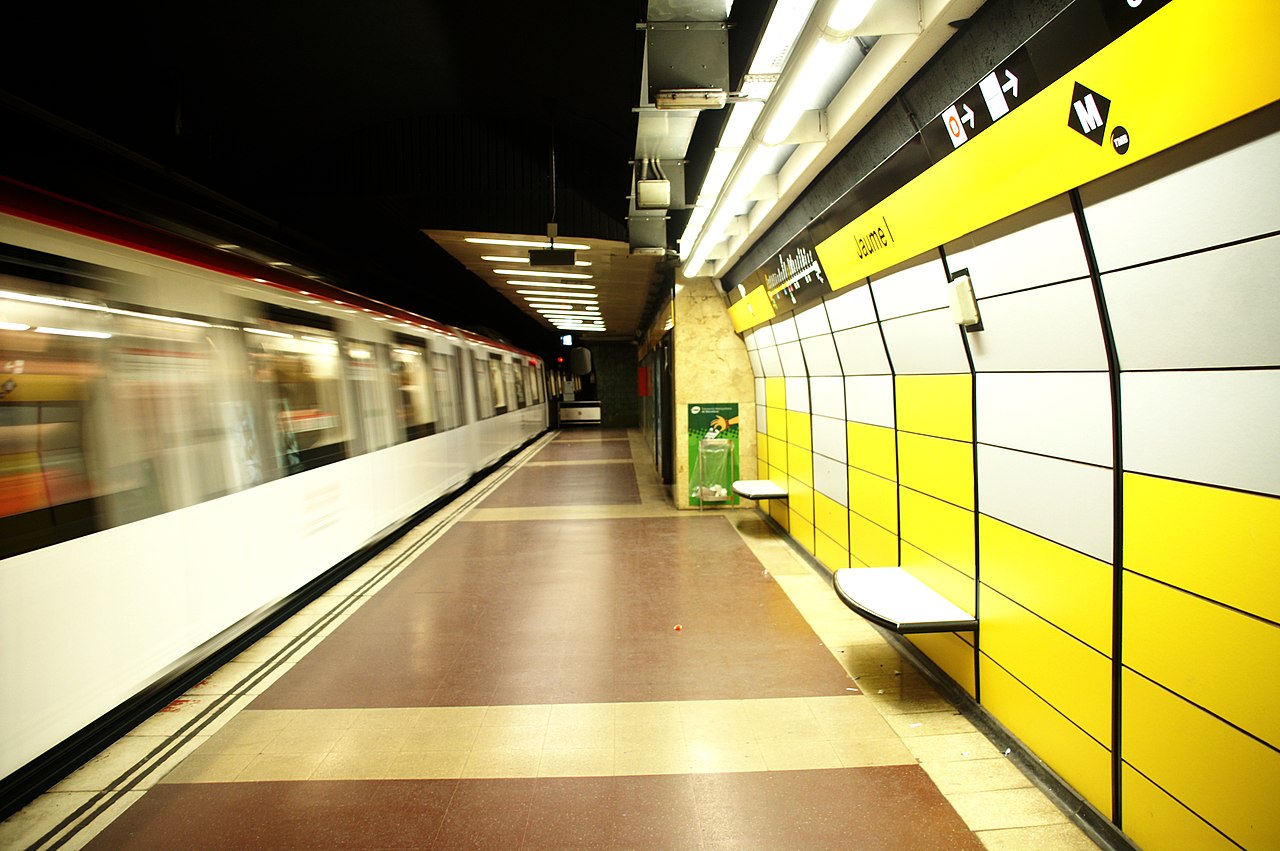


Overview
The network comprises roughly a dozen lines and well over a hundred stations spread across the metropolitan area. Services are frequent in central sections and interoperate with other rail systems and surface transport. Ticketing and fares are integrated with the wider public transport authority that coordinates buses, trams and regional trains, making transfers relatively seamless within a unified zone system.
Network and infrastructure
Lines run on a mix of tunnelled metro track and elevated or at‑grade segments in outer districts. Rolling stock is electrically powered and varies by line and operator. The system is managed mainly by the municipal operator for core metro lines, alongside regional railways that operate urban services considered part of the metropolitan network. Stations provide both modern and historic architectural elements, reflecting multiple eras of construction and renovation.
History and development
The Barcelona Metro developed incrementally from early 20th‑century urban rail projects into a comprehensive citywide system. Expansion accelerated in the postwar period and continued through late 20th and early 21st centuries with new tunnels, accessibility upgrades and platform modernisations. Extensions have focused on connecting growing suburbs and improving interchanges with commuter rail.
Operations, uses and significance
- Primary mode for daily commuting across Barcelona and adjacent municipalities.
- Integrated tickets allow journeys that combine metro, tram and regional rail operators.
- Important for tourism, linking major attractions, airports (via connections) and commercial districts.
Notable features and future trends
The system is notable for bilingual signage (Catalan and Spanish), mixed underground and overground alignments, and ongoing modernisation efforts such as accessibility improvements, signalling upgrades and selective line extensions. Several lines are operated or complemented by regional rail companies that bring suburban routes into the metro map, blurring the line between local rapid transit and regional commuter rail services to the suburbs. For official information and maps consult local transit resources and operator pages: Catalan operator, Spanish operator, and metropolitan transport portals network info, city guides, national resources.
Related articles
Author
AlegsaOnline.com Barcelona Metro Leandro Alegsa
URL: https://en.alegsaonline.com/art/8935